President Donald Trump lashed out at Iran on Sunday with a menacing remark amid ongoing peace negotiations, as critics believe they've identified a potential reason for the president's latest outburst. According to MEXC, the Trump administration sent Tehran a proposal to end the war last week, with Trump telling the press that he expected a response by Friday night. However, Friday and Saturday ended without a response from Iran, leading to Trump's public criticism of what he described as 'playing games with the United States (DELAY, DELAY, DELAY!)'. The silence from the White House, coupled with Tehran's defiance in caving to the Trump administration's demands, has led some critics to draw conclusions about the president's inability to secure diplomatic progress with Iran.
Iran's counter-offer reportedly centers on several non-negotiable demands that significantly exceed the US proposal. According to Iranian media, the counter-offer includes demands for war reparations from the United States, formal recognition of Iranian sovereignty over the strategic Strait of Hormuz, the complete and unconditional lifting of all sanctions, and the unfreezing of all Iranian funds and assets held abroad. The Strait of Hormuz, a narrow waterway between the Persian Gulf and the Gulf of Oman, is a critical chokepoint for global oil shipments, with roughly 20% of the world's petroleum passing through it daily. Iran's insistence on sovereignty recognition there signals a hardening of its position on regional security and maritime rights, with the country demanding full and unconditional lifting of all sanctions and US payment of war reparations.
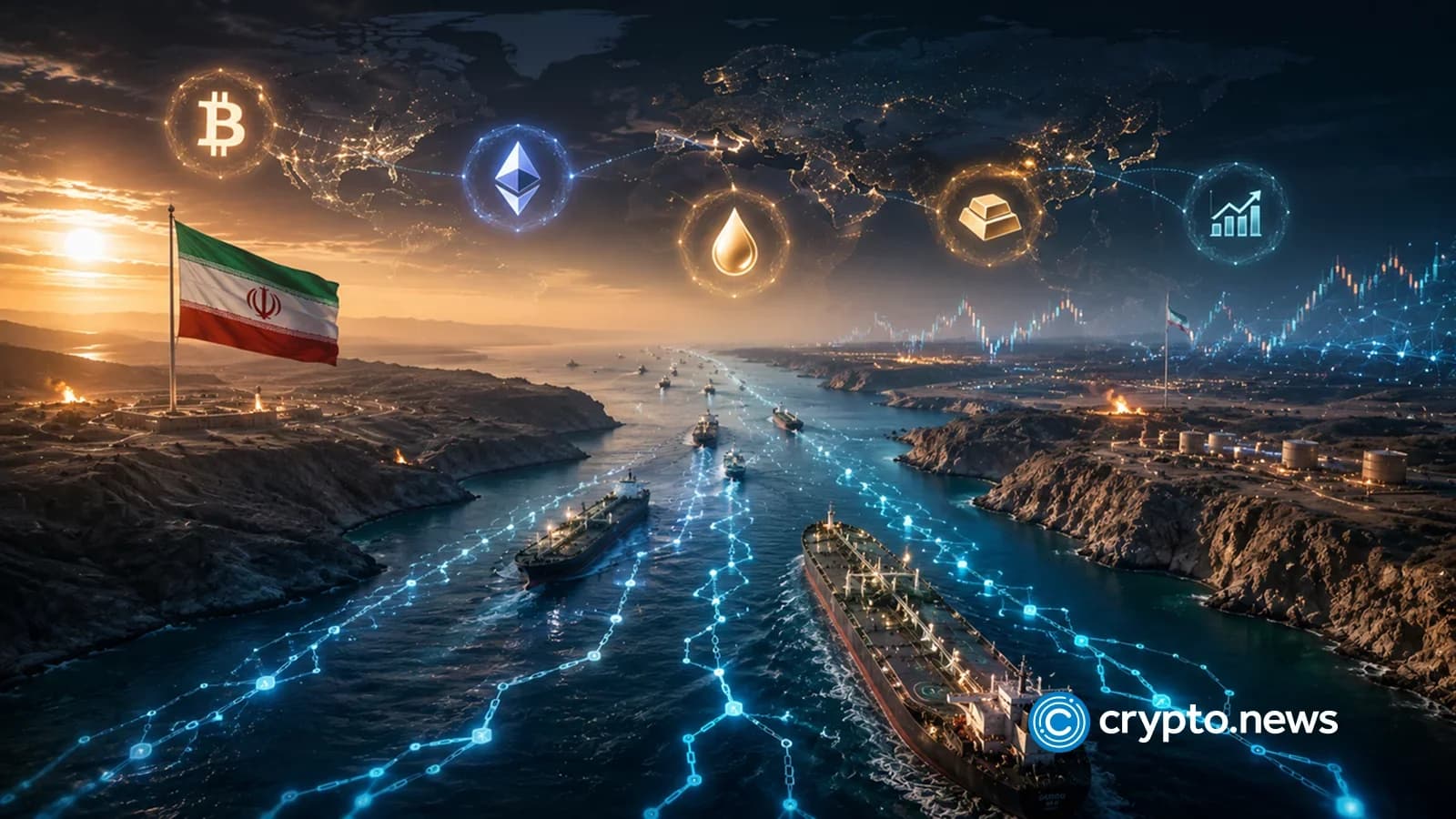
The Middle East conflict has severely disrupted oil flows, particularly through the Strait of Hormuz, with the damage and shutdown of several regional refineries taking millions of barrels of production capacity offline. Saudi Aramco's quarterly earnings will offer investors an important snapshot of the operational and financial consequences of this ongoing crisis. The company's results may provide further insight into the stress currently affecting global energy markets, as the month-old ceasefire faces increased risks of collapse following recent clashes between US and Iranian forces. Markets are closely monitoring these developments, with the Polymarket odds of US military action against Iran fluctuating but remaining below 50%, suggesting prediction markets still see diplomacy as the base case, though the path to a negotiated settlement appears increasingly uncertain.
Signs of instability continue to emerge across the region beyond the diplomatic tensions. According to The Guardian, the UAE and Kuwait both reported intercepting drones that entered their airspace, while a drone strike caused a fire aboard a ship near Qatar's coast. Another attack targeted a camp used by an Iranian Kurdish rebel group near Erbil in northern Iraq. The incidents followed the collapse of President Donald Trump's "Project Freedom" convoy operation on May 4, an effort aimed at escorting commercial vessels through the Gulf after weeks of disruption near Hormuz. Iranian military officials have also warned that countries enforcing sanctions could face consequences when their vessels move through the Strait of Hormuz. The current standoff is further complicated by ongoing tensions over Iran's support for proxy groups in the Middle East and its enrichment of uranium to near-weapons-grade levels.
The breakdown of US-Iran peace talks has triggered significant market volatility, with Dow futures falling by more than 450 points and S&P 500 and Nasdaq futures posting marginal declines during overnight trading sessions. Bitcoin is trading at $81,000, showing resilience despite the geopolitical uncertainty, though the 5% surge in oil prices and push of the US dollar index (DXY) above 98 have created headwinds for risk assets. The geopolitical situation remains fragile despite attempts at diplomacy, with recent clashes between US and Iranian forces increasing fears that the ceasefire may collapse. China enters the negotiations from a position of relative economic strength, with exports remaining robust and the country's trade surplus expanding significantly despite growing geopolitical tensions. This week's developments are likely to shape sentiment across equities, bonds, currencies, and commodities, with markets expected to remain highly sensitive to geopolitical headlines, especially those related to the Middle East conflict and global trade relations.