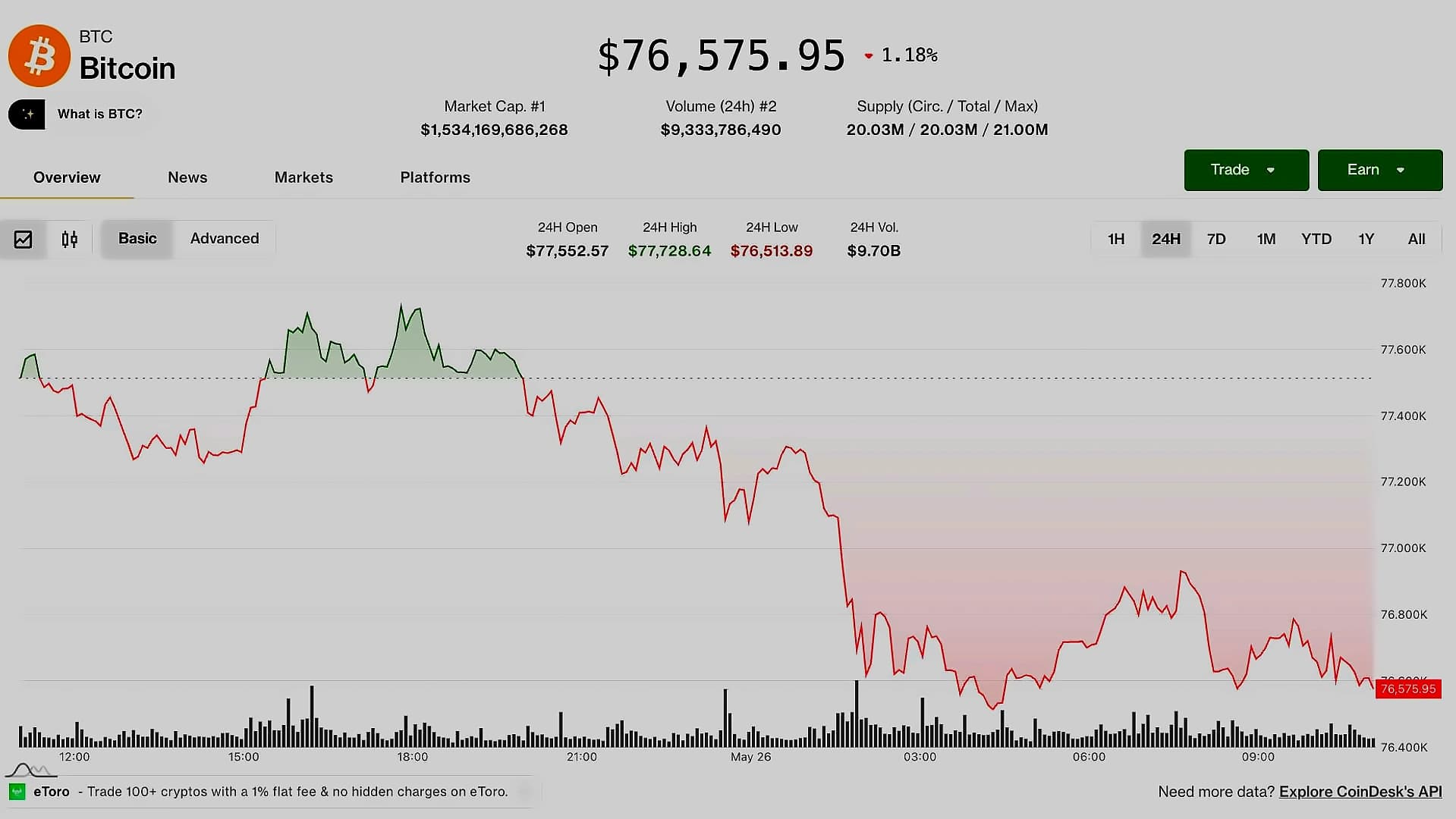
Bitcoin traded near $78,400, up 0.69% over 24 hours, showing cautious recovery as Iran and the US exchanged peace deal terms. According to Crypto.news market data, the cryptocurrency demonstrated limited relief rather than a strong risk rally, with Bitcoin remaining down 2.94% over seven days while Ethereum was down 5.81% over the same period. The short-term move reflects trader caution as the conflict continues to create market uncertainty. Ethereum traded at $2,190, while XRP, BNB, and Solana also posted small daily gains, indicating selective recovery across major cryptocurrencies.
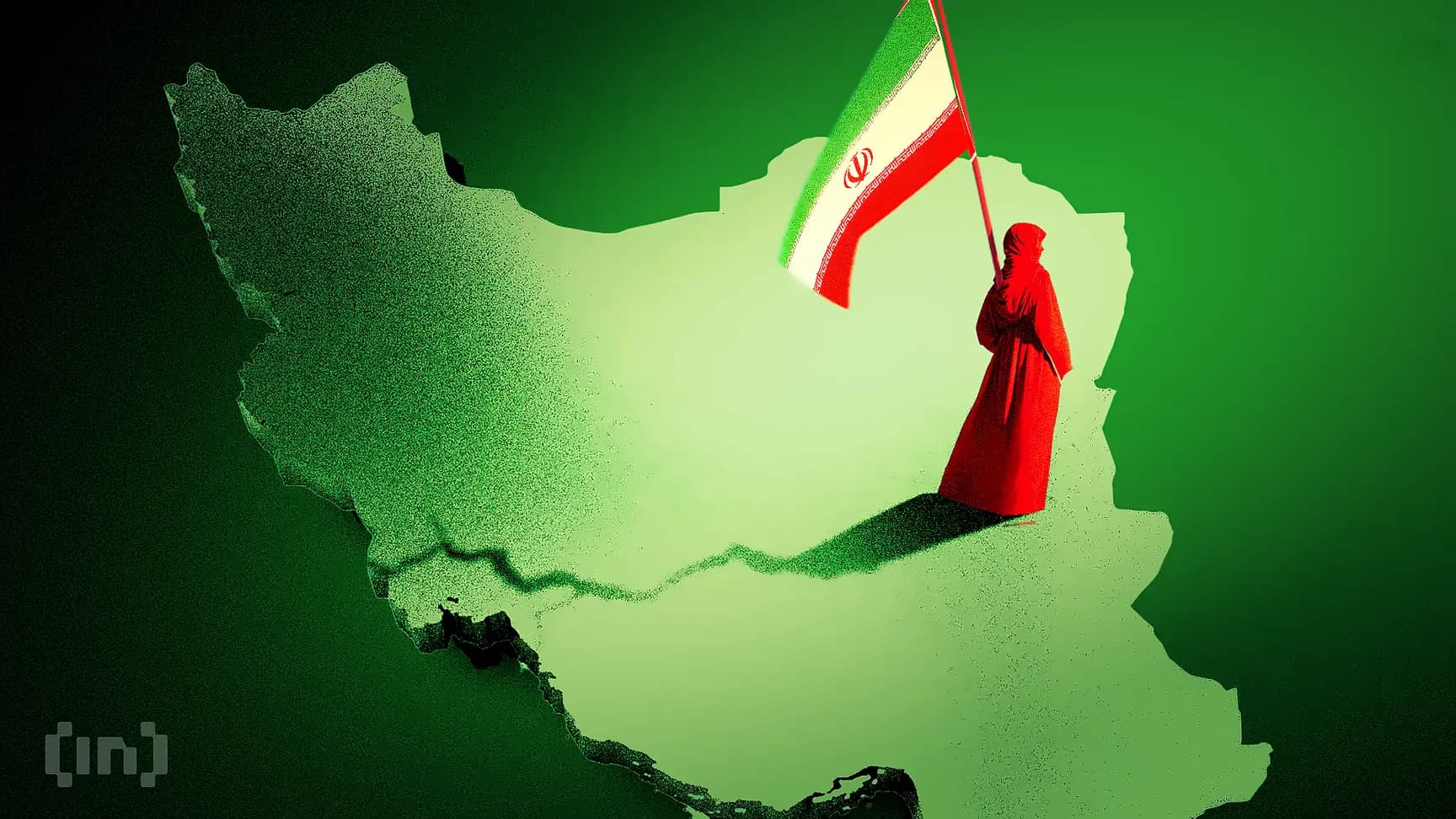
Iran has responded to a U.S. list of conditions for a possible peace deal, according to reports shared by The Kobeissi Letter. Tehran's stated demands include an end to the war on all fronts across the Middle East, the lifting of U.S. sanctions, the release of frozen Iranian funds, compensation for war damages, and recognition of Iran's sovereignty over the Strait of Hormuz. The reported U.S. terms differ sharply, including no compensation for Iran, no release of frozen assets, the transfer of 400 kilograms of uranium to the United States, and only one active nuclear facility. The ceasefire would also depend on further negotiations, highlighting the significant gap between the two sides' positions.
The macro picture remains dark as Iran moved to formalize a fee system for vessels using the Strait of Hormuz, the chokepoint where roughly a fifth of seaborne oil flows. As reported by CoinDesk, Iranian official Ebrahim Azizi outlined the policy framework, stating that "Iran, within the framework of its national sovereignty… has prepared a professional mechanism to manage traffic in the Strait of Hormuz along a designated route." Iranian state-linked outlets reported that vessels from China, Japan, and Pakistan have already transited the strait with Tehran's clearance, while several European operators are reportedly seeking similar permission. However, according to The Kobeissi Letter, Hormuz would reportedly "remain closed to the operators of Project Freedom," keeping US traffic out. Domestic conditions inside Iran continue to deteriorate, with analyst Miad Maleki citing Vortexa data showing Iranian crude exports have fallen more than 80% since mid-March.
Tether has frozen 344 million USDT as US pressure on Iran tightened, highlighting how stablecoins can be quickly pulled into geopolitical crackdowns. As reported by TetherNews, this move spotlights the vulnerability of stablecoins to sudden regulatory actions and sanctions. The freeze demonstrates how quickly digital assets can become entangled in international tensions, raising concerns among users about the safety and accessibility of stablecoin holdings during periods of geopolitical uncertainty. The timing of this freeze coincides with the broader crypto market decline, adding another layer of complexity to the current geopolitical environment affecting digital asset markets.
Not every trader treats the news as the primary catalyst, with analyst Ivan on Tech arguing that BTC has been in a weekly bear trend since October. As reported by CoinDesk, he believes news flow no longer moves the underlying structure, stating "We are in bear market since October. Bullish news don't pump the market in the bear just like bad news don't dump the market in a bull." Prediction market Kalshi shows traders pricing in further downside, with bettors putting 60% odds on BTC dropping below $75,000 before month-end. The pattern during the conflict has shown peace signals supporting short relief rallies, while rejected proposals and military threats have pushed traders back into defensive positions. Cryptic Trades noted that "Funding Rates have flipped negative," showing bears are "doubling down right now and betting on a breakdown," potentially forming a bear trap. Analyst Eric Coleman targets new local lows at around $75,000, while Daan Crypto Trades highlighted $71,000 as the nearest zone of interest below price.