Bitcoin (BTC) experienced a significant decline, dropping approximately 2% to around $71,000 following the collapse of Islamabad peace talks between the U.S. and Iran. According to latest market reports, the cryptocurrency's price movement was directly linked to the breakdown of diplomatic negotiations that had been ongoing for 21 hours at the Serena Hotel in Islamabad. XRP (XRP) also fell about 2% to $1.33, with the broader crypto market dipping to around $2.41 trillion. However, the selloff was smaller than most traders had expected, as Bitcoin remains above the level it was at before the ceasefire was announced on April 7. Recent market data shows day 56 of the extended ceasefire has produced no progress on diplomatic fronts, with the probability of Donald Trump attending a meeting with Iran by April 30 dropping to 2% YES, down from 4% just 24 hours ago. The Trump-Iran meeting market sits at 2% YES, a steady decline from 6% a week ago, while odds for any US official meeting with Iran by April 30 are similarly low at 2.4% YES.
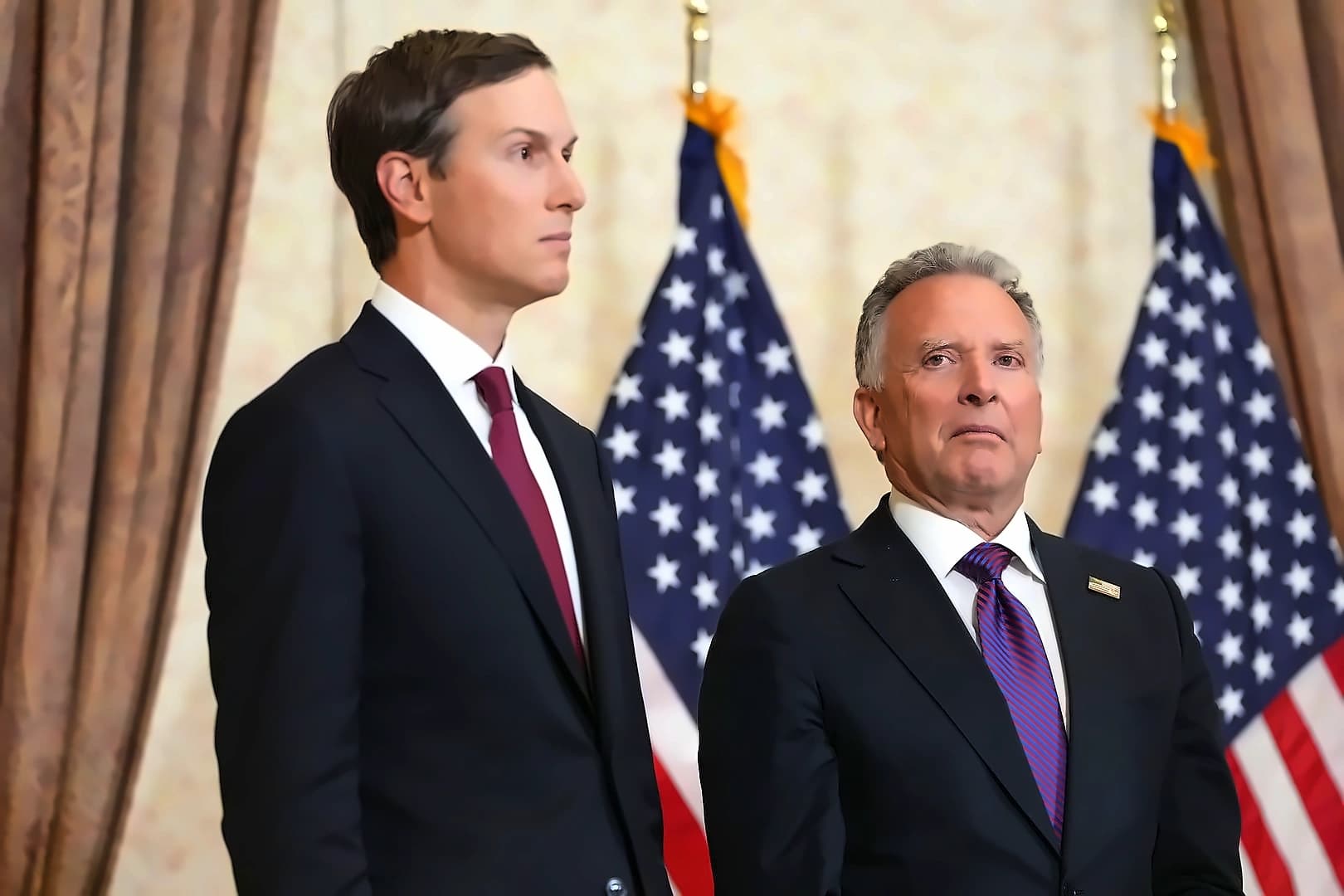
White House Press Secretary Karoline Leavitt confirmed on Friday that President Donald Trump is sending his son-in-law Jared Kushner and U.S. Special Envoy Steve Witkoff to Pakistan for renewed diplomatic discussions with Iran. As reported by WDSU News, Leavitt stated that "Iranians want to talk. They want to talk in person," adding that "The president is always willing to give diplomacy a chance." The delegation will leave Saturday to meet with Iran's foreign minister, with Vice President J.D. Vance on standby to travel to Pakistan "if necessary." Iran's Foreign Minister Abbas Araghchi has landed in Pakistan, being received by Pakistani Foreign Minister Ishaq Dar, Chief of Army Staff Field Marshal Asim Munir and other senior officials upon arrival, according to Pakistan's Foreign Ministry. The statement said Araghchi is expected to meet Pakistan's senior leadership to discuss the latest regional developments and ongoing efforts to promote regional peace and stability. White House press secretary Karoline Leavitt told reporters that US envoys Jared Kushner and Steve Witkoff will go to Pakistan on Saturday, with Leavitt adding "We've certainly seen some progress from the Iranian side in the last couple of days."
The Trump administration has frozen $344 million in cryptocurrency it says was linked to Iran as the United States ratchets up pressure on Tehran. According to CNN, Tether announced it had "supported the U.S. government in freezing" $344 million in cryptocurrency across two addresses, after information was shared by several U.S. authorities about activity tied to unlawful conduct. A U.S. official told CNN that the government had information linking the currency to Iran, stating that "working with blockchain analytics experts, the U.S. government has observed evidence of material links to the Iranian regime, including confirmed transactions with Iranian exchanges and a series of transactions routed through intermediary addresses that interact with Central Bank of Iran-associated wallets." Treasury Secretary Scott Bessent said Friday that the agency "is sanctioning multiple wallets tied to Iran," stating "We will follow the money that Tehran is desperately attempting to move outside of the country and target all financial lifelines tied to the regime." The Iranian mission to the United Nations declined to comment on the freeze. On Friday, the US applied more pressure on Tehran by freezing $344m in cryptocurrency assets in a bid to "systematically degrade Tehran's ability to generate, move, and repatriate funds."
The diplomatic breakdown has intensified military activities, with President Trump ordering the U.S. Navy to "shoot and kill" any boats suspected of laying mines in the Strait of Hormuz. Defense Secretary Pete Hegseth stated Friday that Iran would violate the current ceasefire if it is dropping new mines into the Strait of Hormuz, while Iran has accused the U.S. of violating the ceasefire by continuing to block its ports. Hegseth also stated that no one will sail through the Strait of Hormuz without U.S. permission. Companies are adjusting trade routes to avoid the blockade, with more businesses reportedly paying up to $4 million to travel through the Panama Canal instead. The Panama Canal Authority reported a spike in demand and costs for these slots as the war in Iran continues, with typically reservations costing between $300,000 and $400,000 or companies bidding for slots awarded to the highest bidder. Iran says it will not stop blocking the Strait of Hormuz, a crucial maritime trade chokepoint, until Trump lifts his blockade. Trump said he is the one keeping the Strait of Hormuz closed, not Iran, adding that Iran knows it still has an open window to choose wisely at the negotiating table.
The diplomatic breakdown has significant implications for energy markets, with oil prices rising again as WTI crude climbed back above $100 per barrel following the collapse. The International Energy Agency had already warned that oil supply shock could worsen in April as emergency stockpile releases start running low. With the ceasefire set to expire around April 22, the market faces potential volatility as neither the U.S. nor Iran has indicated whether it will be extended. Pakistan had urged both sides to maintain the truce, but Trump's blockade actions suggest the diplomatic window may be closing. The intensified military posturing and stalled negotiations make oil prices vulnerable to further increases, particularly if war resumes and oil goes past $110. Cryptocurrency holdings in Iran reached $7.8 billion in 2025, growing at a faster rate for most of the year than in 2024, according to crypto-tracing firm Chainalysis. Iran's powerful Islamic Revolutionary Guard Corps accounted for roughly half of those holdings on the blockchain in the last quarter of 2025, "mirroring its dominance in Iran's economy more broadly," Chainalysis said.