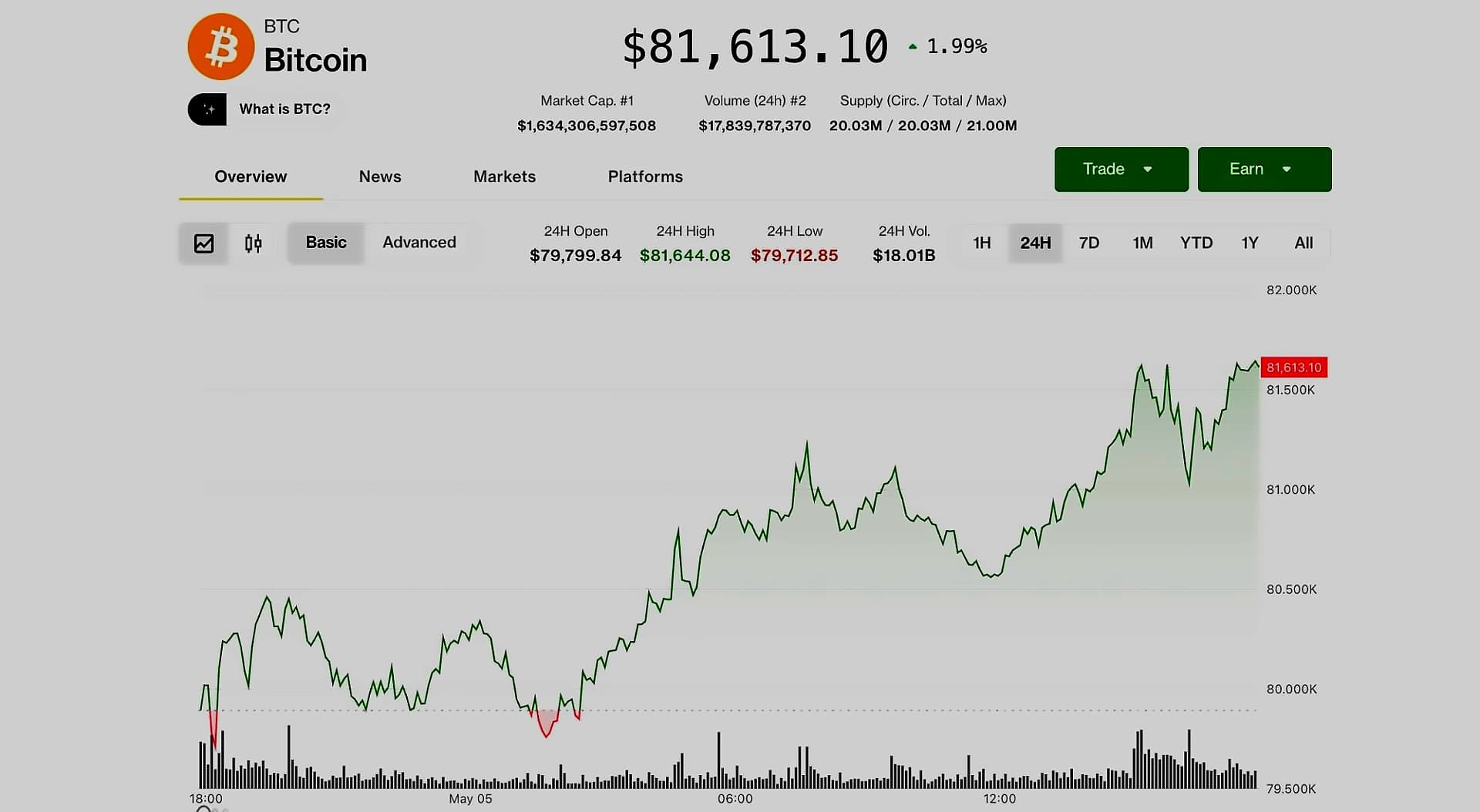
Bitcoin has shown remarkable resilience above $78,000 after a roughly 15% April rebound that was primarily driven by a massive short squeeze in derivatives markets. Bitcoin's Thursday surge from $76,351 to $79,447 was driven mainly by futures activity, with open interest climbing from about $24.88 billion to nearly $28 billion as the price moved higher. The rally forced a large exit from bearish positions, with Bitcoin short liquidations reaching about $607.9 million and Ethereum short liquidations totaling about $581 million, resulting in combined short liquidations of nearly $1.19 billion. Long liquidations were significantly smaller at $12.8 million for Bitcoin and $98.5 million for Ether, with combined long liquidations totaling nearly $111.4 million. This derivatives-led move has given Bitcoin momentum, though it also raises the bar for follow-through as traders await spot buyer confirmation.
US spot Bitcoin ETFs have achieved their best performance streak since the October 2025 market crash, with cumulative April inflows reaching $2.43 billion and the category posting its strongest weekly and monthly performance of 2026. The eight-day positive streak has delivered $2.09 billion in net inflows since April 14, with Thursday's session alone attracting $223.2 million in fresh capital. This performance approaches the $5.33 billion inflow peak achieved during the late September-early October nine-day streak, signaling renewed institutional demand and crypto adoption as funds approach the prior lifetime inflow peak of approximately $62.8 billion. BlackRock's IBIT ETF has captured 73% of total inflow capital in this cycle-defining run, with the fund's 52-week range stretching from $35.30 to $71.82, while Morgan Stanley's Bitcoin Trust (MSBT) has accumulated $163 million in total inflows since launching on April 8. US spot Bitcoin ETFs have purchased 18,991 BTC over the past 5 trading days, representing 9 times the new supply in that period, according to Bitwise's Andre Dragosch, with institutional demand clearly accelerating.
Bitcoin whales holding 10-10,000 BTC wallets have accumulated approximately 41,000 coins worth $3.17 billion since April 10, creating a significant divergence with retail activity. As reported by Santiment, smaller holders with less than 0.1 BTC added only 46 coins valued at $3.56 million over the same period, with the gap between whale and retail buying activity telling a compelling story about institutional confidence. This whale/retail divergence is viewed as a potential bullish setup by analysts, with Santiment describing it as one of the strongest indicators that a prolonged price rally could be taking shape. Bitcoin briefly hit $79,330 on April 23 before pulling back to around $77,350, with the crowd swinging from extreme pessimism on Monday to ultra FOMO mode by Thursday. Bitcoin is currently trading at approximately $77,638.42, off 0.31-0.35% on the session and pulling back from the Wednesday evening peak of $79,388 that marked the highest intraday level since late January.
Bitcoin dominance has broken above 60% for the first time in 2026, reaching approximately 60.10% on April 24th before retracing to around 59.8%, according to reports from AMBCrypto. This milestone reflects a significant shift in crypto market structure, with Bitcoin holding near a $1.55 trillion valuation within a roughly $2.6 trillion total market. The dominance level signals relative strength driven by selective demand rather than broad market expansion, as altcoins struggle to attract sustained inflows. Bitcoin is currently trading at approximately $77,638.42, off 0.31-0.35% on the session and pulling back from the Wednesday evening peak of $79,388 that marked the highest intraday level since late January.
Options traders are giving Bitcoin room to rise without showing the kind of aggressive upside chasing that often marks overheated conditions. Greeks.live data showed that 109,000 Bitcoin options expired Friday with a put-call ratio of 0.93, a max pain level of $72,000, and a notional value of $8.55 billion. The firm noted that 25% of open options were set to expire in the monthly settlement, with 12% of open interest maturing at the end of May and 24% at the end of June. Bitcoin's implied volatility has continued to fall across major maturities, with several tenors slipping by 1 to 2 percentage points and moving below 40%. Skew metrics have also pulled back, signaling that the rebound has not been dominated by panic buying of upside exposure. This cautious positioning leaves Bitcoin in a steadier position than the size of the short squeeze might suggest, with traders not aggressively paying for calls despite the rally's momentum.
Despite strong institutional and whale accumulation, the Crypto Fear & Greed Index posted a score of 39 on Friday, placing it squarely in 'Fear' territory, suggesting most investors are still holding back even as Bitcoin inches toward a psychologically significant price point. Bitcoin is up 2% over the past week, based on Coingecko data, but the broader crypto market hasn't caught up with the whale activity and institutional optimism. Santiment cautions that a move above $80,000 would carry weight in pulling more traders back into the market, but warns that the breakout would carry more meaning if it happens after optimism cools slightly, as surges built on peak excitement tend to be less stable than those that form more gradually. The Bitcoin dominance shift above 60% fundamentally changes portfolio construction dynamics, with institutions treating Bitcoin as 'core portfolio ballast now, not just a trade' — a framework that differs meaningfully from speculative positioning that characterized earlier cycles. Traders are treating $78,000 as the first line of evidence, with holding that level through an oil spike, a firmer dollar, and weaker equities suggesting demand has improved.