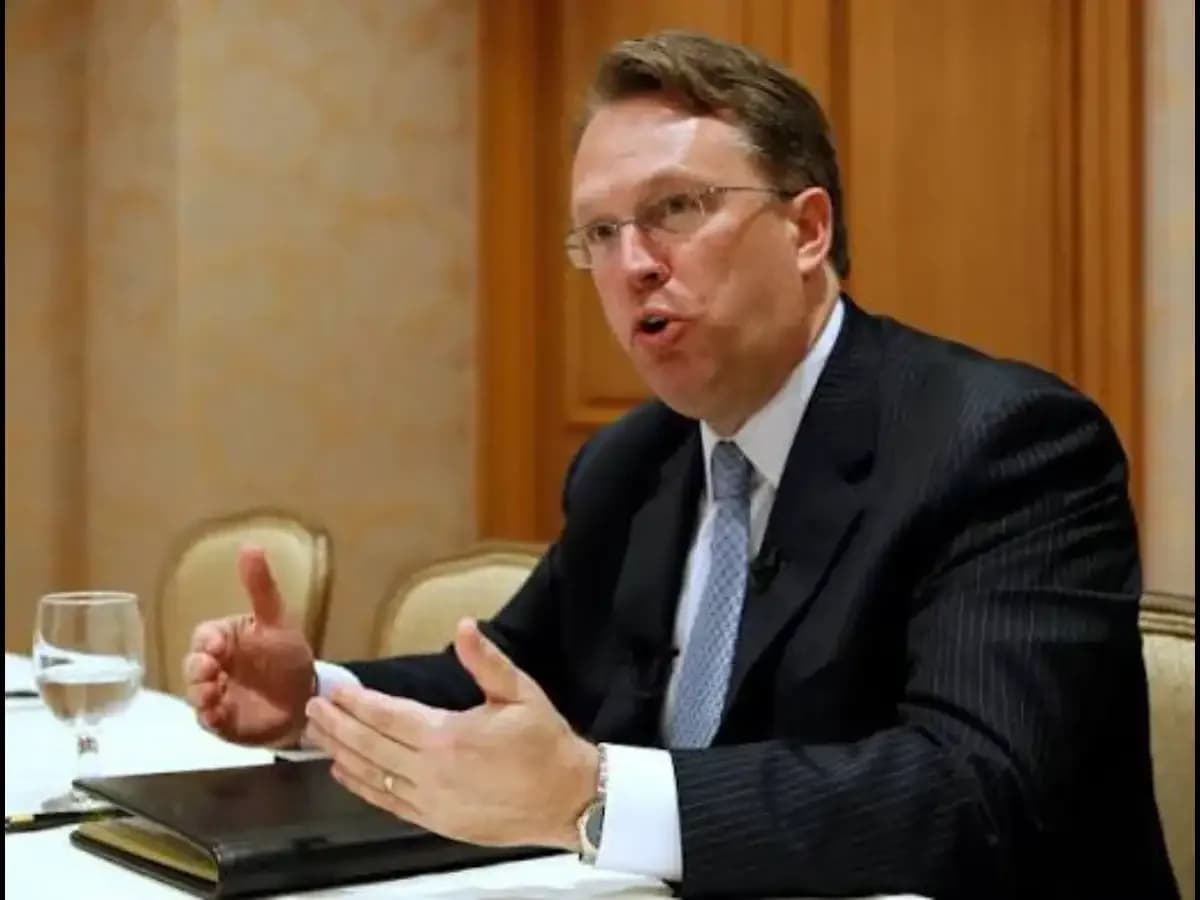
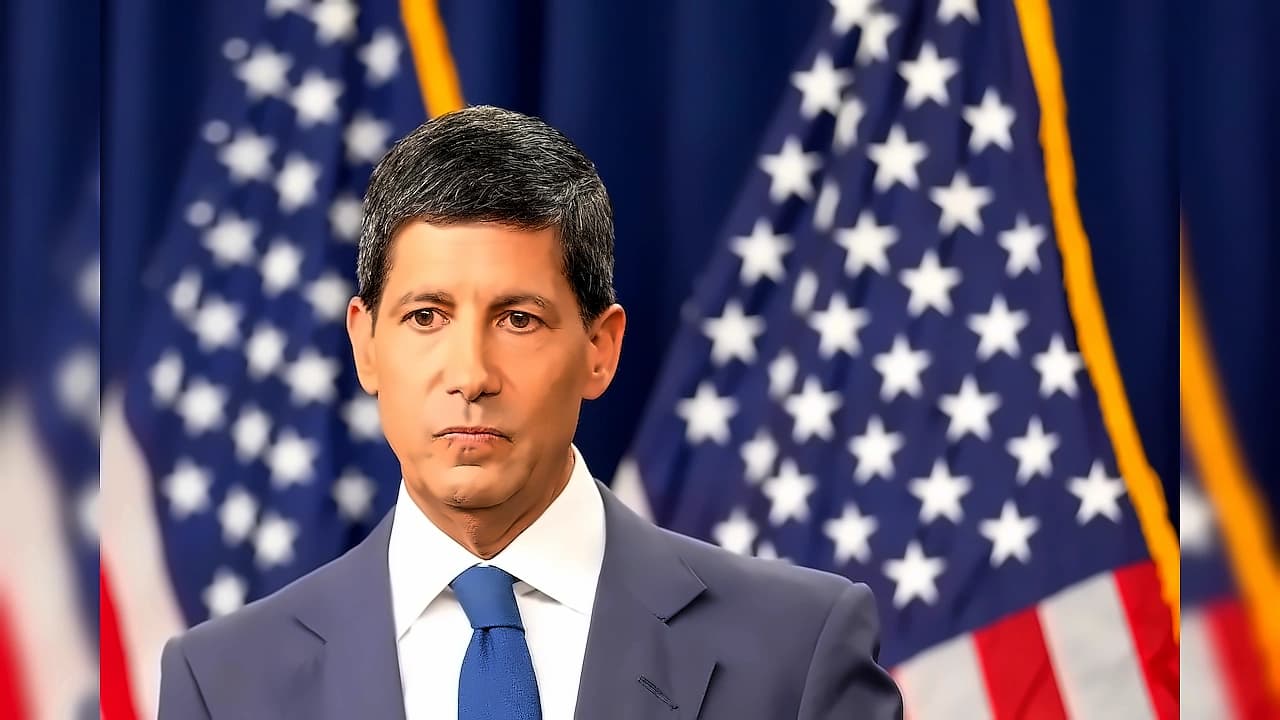
The Federal Reserve is experiencing a significant divide among officials regarding interest rate policy, with Richmond Fed President Tom Barkin viewing further rate hikes as an 'open question' while Cleveland Fed President Beth Hammack continues advocating for immediate increases. As reported by Reuters, Barkin stated that while the Fed remains committed to returning inflation to its 2% target, the question remains whether rates need to be raised or if inflation is already on a downward path. Barkin noted that much of current inflation has been driven by temporary shocks including higher tariffs, oil prices, and artificial intelligence infrastructure buildout demand, which should ease at some point. Hammack, however, maintains that current business borrowing pressures are adding to inflationary pressures, stating that businesses are excited to borrow and invest, creating additional price increase pressures.
The hawkish sentiment extends beyond Cleveland, with New York Fed President John Williams reaffirming his support for additional rate hikes if inflation remains elevated, according to Wall Street Journal reports. Philadelphia Fed President Anna Paulson has indicated she supports a steady policy approach but remains open to changes. These comments from regional Fed officials highlight the growing consensus among central bankers that current monetary policy may need to be more restrictive to combat persistent inflation pressures. The coordinated stance suggests a potential shift toward more aggressive rate hikes in upcoming Federal Open Market Committee meetings, with Hammack and two other officials having dissented at last month's Fed meeting when the majority voted to keep rates unchanged at 3.50%-3.75%.
Japan's Ministry of Finance has officially confirmed that it plans to utilize the Foreign and International Monetary Authorities (FIMA) Repo Facility as part of its yen defense strategy. Finance Minister Satsuki Katayama confirmed the July 31 coordinated yen purchase with the U.S. Treasury and stated that Japan "plans to utilize" the Fed facility in the future. Treasury Secretary Scott Bessent has publicly encouraged the Fed to increase the facility's size, with Reuters reporting that Washington would be prepared to participate in further intervention. The current Fed rules limit FIMA exposure to $60 billion outstanding per approved counterparty, though the Foreign Currency Subcommittee can alter this limit.
BitMEX co-founder Arthur Hayes has outlined a scenario where expanded FIMA facility usage could create liquidity tailwinds for Bitcoin, Ether, and gold. Hayes estimates approximately $1.37 trillion of potential Treasury collateral, combining Japanese government holdings with around $232 billion held by the Government Pension Investment Fund. However, not all this collateral can be treated as immediately available FIMA collateral, as current Fed participation is limited to approved foreign official accounts. The latest Federal Reserve balance sheet shows only $1 million of total repurchase agreements outstanding as of August 5, providing no evidence of large FIMA expansion at that point.
Despite the bullish thesis, Bitcoin has not shown immediate rally tied to Hayes's analysis. Bitcoin was trading near $64,000 on Tuesday, while Ether was around $1,625. Hayes's thesis depends on future FIMA expansion rather than existing facility usage alone. The next measurable trigger for this scenario would be a Federal Reserve change to FIMA's $60 billion cap or counterparty rules, followed by evidence of actual Japanese usage in weekly Fed balance sheet data. Until then, the bullish Bitcoin, Ether and gold scenario remains a forward-looking hypothesis built around a policy mechanism that Japan has confirmed it intends to use, but that the Fed has not yet expanded publicly.