The United States and United Kingdom have announced a formal joint digital asset framework, marking the most significant transatlantic regulatory alignment effort in crypto history. According to The British Blockchain Association, this news comes as the crypto market is up +1.6% over the past 24 hours, with the total market cap sitting at $2.29 trillion, up from $2.27 trillion yesterday. The framework targets stablecoins, tokenized securities, and cross-border capital markets, with the total market cap at $2.29 trillion and daily trading volume at $55.1 billion. This development represents a clear signal that the world's two largest English-speaking financial centers are moving in the same direction on digital asset regulation.
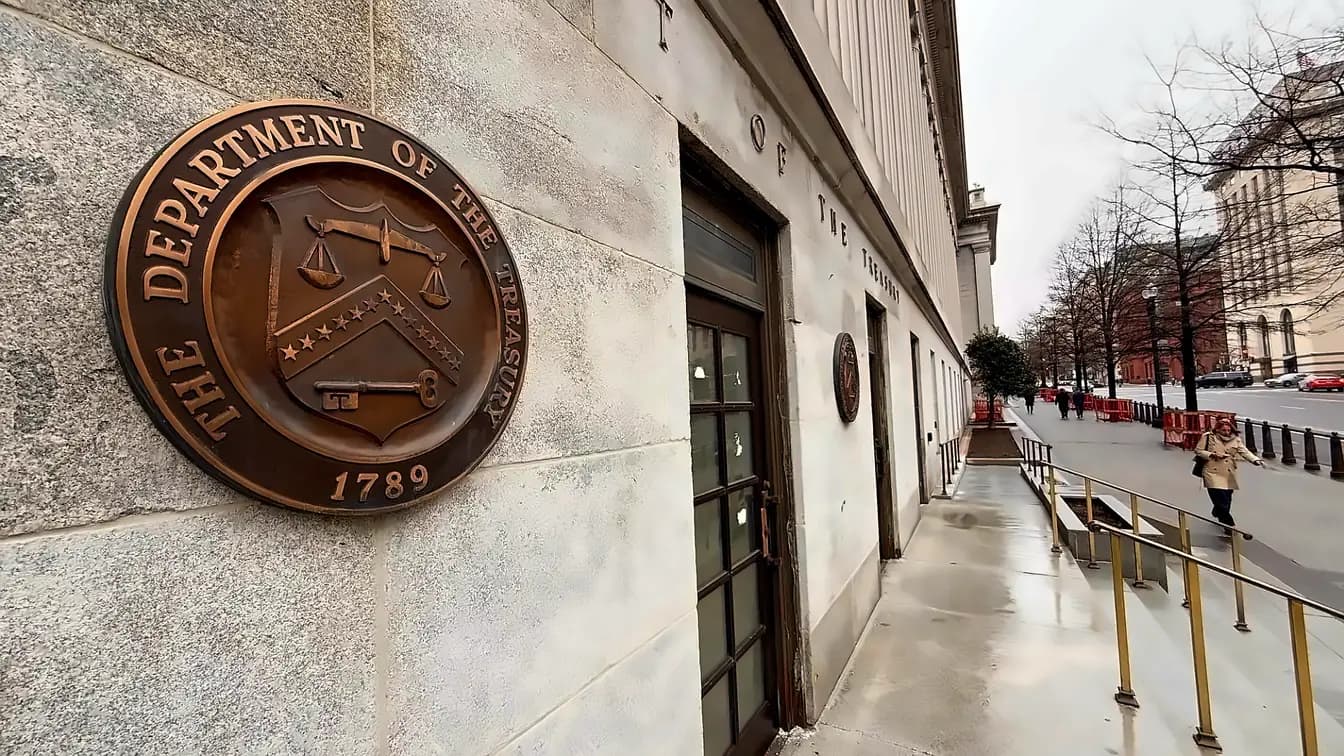
US and UK financial regulators conducted their 13th UK-US Financial Regulatory Working Group meeting in London on July 8, with senior officials from HM Treasury and the US Treasury leading discussions. According to an August 4 joint statement, representatives from the Bank of England, Financial Conduct Authority, Federal Reserve, Securities and Exchange Commission, Commodity Futures Trading Commission, Federal Deposit Insurance Corporation and Office of the Comptroller of the Currency also participated. The meeting opened with a broad discussion of digital finance, with participants emphasizing broad support for the responsible use and growth of digital assets and digital financial innovation globally. As reported by multiple sources, authorities provided updates on their respective regulatory regimes for digital assets, including stablecoins, as well as on their work to modernize payment services more broadly. The talks highlighted continued alignment on cross-border payments, market structure and broader financial innovation, with participants discussing the G20 Cross-border Payments Roadmap and payment modernization initiatives.

The framework represents the first major output of the Transatlantic Taskforce for Markets of the Future, established by UK Chancellor Rachel Reeves and US Treasury Secretary Scott Bessent during President Trump's state visit to the UK in September 2025. The taskforce was given a six-month mandate to align digital asset and capital-markets policy and reduce regulatory fragmentation between New York and London. The resulting roadmap covers several interconnected areas: treatment of fully backed payment stablecoins, tokenized asset settlement finality, cross-border capital raising, and collateral eligibility for tokenized instruments. Key regulators named to implement the recommendations include the Bank of England, UK Financial Conduct Authority (FCA), US Securities and Exchange Commission (SEC), and US Commodity Futures Trading Commission (CFTC). One notable recommendation calls for a technology-neutral review of Basel Committee standards, signaling coordinated US-UK pressure to update global prudential rules for crypto exposures and tokenized assets.
Senator Bill Hagerty (R-TN) has intensified pressure for Senate floor action on the Digital Market Asset Clarity Act (CLARITY Act), calling for a vote to test Democratic support amid midterm election concerns. Speaking on Fox Business' Mornings with Maria, Hagerty argued that 'There's no way that we can allow the United States to fall behind in the digital assets arena. Everything is moving digital around the world.' The Tennessee Republican questioned whether the chamber could pass the bill with Democratic support before the 2026 elections, asking if Democrats were 'going to let midterm politics get in the way.' House Majority Whip Tom Emmer (R-MN) echoed similar concerns, stating that 'Whether it's Chuck Schumer, Hakeem Jeffries, their goal is to create chaos going into the midterms.' The comments come as the CLARITY Act remains stalled over ethics provisions, with the fight focused on enforcement mechanisms and whether federal officials can issue digital materials. For traders watching the US legislative side, this international alignment arrives as domestic crypto legislation remains contested, making the bilateral approach a parallel track rather than a replacement for domestic legislation.
The roadmap calls for a private sector-led group to run approximately a one-year pilot program testing cross-border tokenization use cases, including tokenized securities and money market funds. The goal is to surface operational, legal, and settlement frictions before regulators write binding rules around them - a relatively pragmatic sequencing choice. Progress on implementation will be monitored through the existing UK-US Financial Regulatory Working Group, with progression over the next year including consultations on rule changes, an industry pilot program to address cross-border issues, and the implementation of UK stablecoin legislation. The UK is leveraging this alignment to enhance its competitiveness by simplifying digital asset operations between the US and UK, attracting exchanges and stablecoin issuers. Institutional support for regulatory clarity is gaining traction, with major asset managers like BlackRock advocating for clearer US frameworks, and a joint US-UK approach on stablecoins boosts confidence for firms to invest across both regions without waiting for all domestic regulations to finalize.
The two governments addressed coordination risks through a separate July 14 statement from the Transatlantic Taskforce for Markets of the Future, a joint U.S.-UK initiative focused on financial innovation and capital markets. Their goal was to promote convergence without replacing either country's domestic regulatory process, stating that 'Stablecoins held out as money should be fully backed.' The Financial Regulatory Working Group plans to meet again in early 2027, with the July recommendations providing policy direction rather than a unified transatlantic regime, leaving issuers subject to separate US and UK requirements. The GENIUS Act rules now take effect the earlier of January 18, 2027, or 120 days after final rules are issued, so issuers must plan against the January 2027 backstop despite the missed July deadline. The Transatlantic Taskforce's initial recommendations together with the joint statement on stablecoins lay groundwork for continued bilateral leadership in digital assets and capital markets, signaling continued support for responsible digital asset innovation alongside financial stability and international regulatory cooperation.