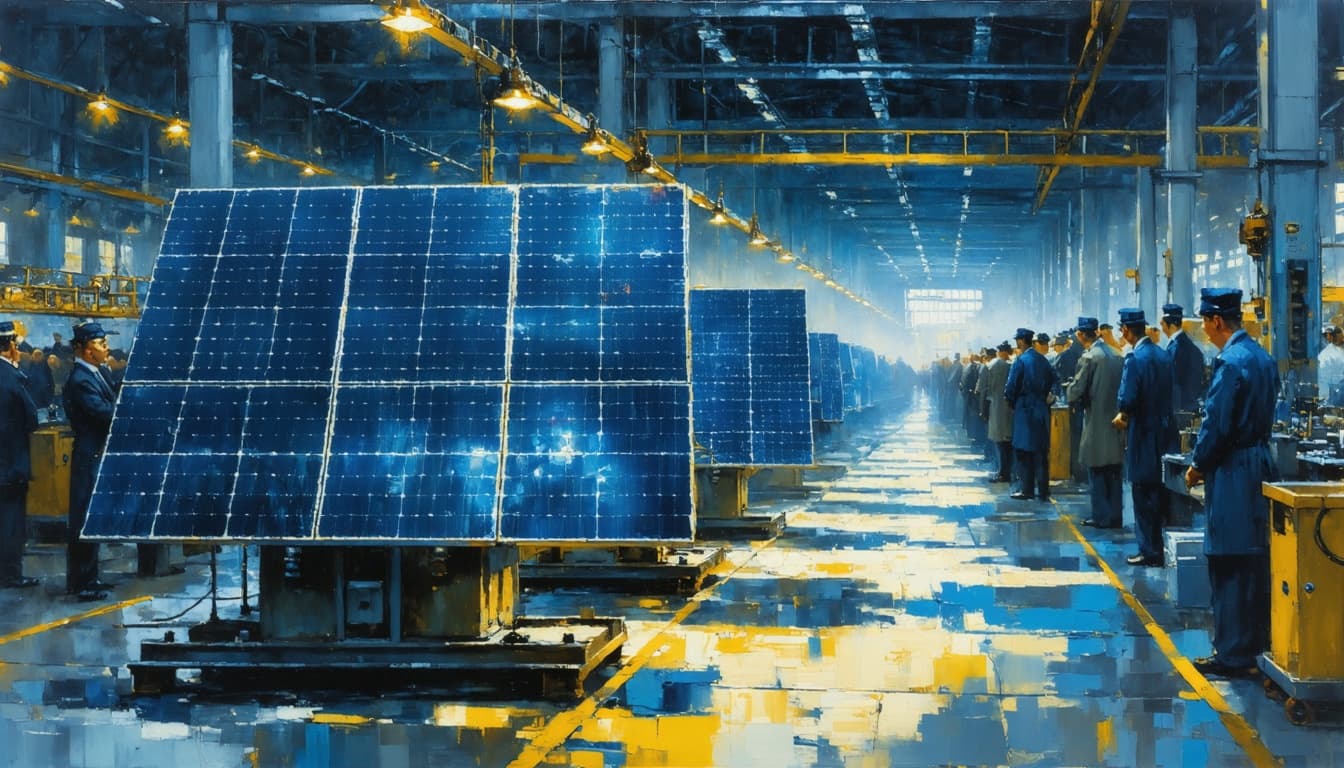
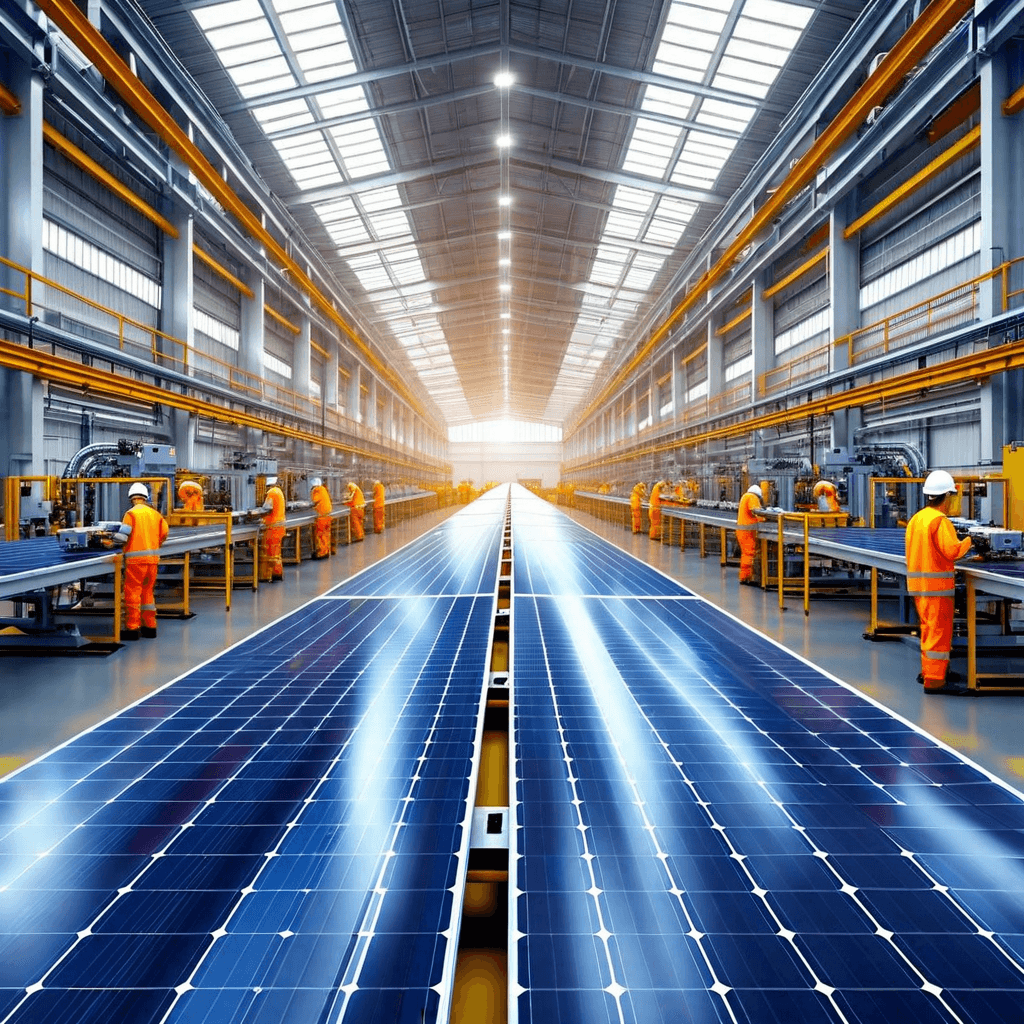
Waaree Energies has found itself at the center of a US regulatory storm that could reshape its American expansion plans. In June 2026, the US Customs and Border Protection (CBP) delivered a mixed verdict: anti-dumping tariffs of up to 271.28% on specific imported solar modules, but crucially, no finding that Waaree shipped Chinese-made cells to America. The investigation, which began in September 2025 under EAPA case number 8163, was triggered by a petition from the American Alliance for Solar Manufacturing Trade Committee—a group including First Solar and Hanwha Q CELLS USA.
The CBP Investigation: Scope and Findings
The CBP's probe focused narrowly on historical import entries from 2021 through June 2026. This limited scope matters. It suggests the agency's concerns primarily relate to past practices rather than ongoing compliance failures. During the investigation, CBP officials conducted verification at Waaree's Chikhli facility in India, performing traceability tests and records reviews. They found that Waaree produced enough modules from non-Chinese cells to account for its total US imports during the period of investigation. However, the determination notice cited Waaree's "four year history of reporting the wrong country of origin" as "an act that is material and false".
Operations Continue Uninterrupted
Despite the headline-grabbing tariff rate, Waaree's US operations continue uninterrupted. The company's Texas manufacturing facility, operational since January 2025 with 1.6 GW capacity and expanding toward 4.5 GW, provides natural insulation from import-related risks. Management has consistently stated there's been no operational disruption, with manufacturing activities and customer deliveries proceeding as planned. The CBP declined to apply "adverse inferences" that would have meant a blanket evasion ruling on all imports—instead, the ruling applies only to specific products in question.
Financial Impact and Uncertainty
The financial impact remains uncertain because the CBP notice contains confidential information removed from the public version. What we know: Waaree imported more than 5.4 million kilograms of crystalline silicon photovoltaic modules to the US in 2024. The agency will continue suspending liquidation of duties owed until the final tariff bill is settled or any appeal is decided. Waaree maintains that the determination pertains only to a limited set of historical entries and shouldn't be viewed as a final verdict, noting that US law allows for administrative review and judicial recourse.
Supply Chain Transformation
This regulatory pressure has accelerated Waaree's strategic evolution. The company is implementing a multi-pronged supply chain overhaul. In December 2025, Waaree invested $30 million in United Solar Holding Inc., securing long-term polysilicon supply from Oman to establish a fully traceable, non-Chinese supply chain. The company has also rapidly developed domestic cell manufacturing capabilities, commissioning a 5.4 GW solar cell facility at Chikhli, Gujarat, with trial production starting in January 2025.
US Manufacturing Expansion
Perhaps most significantly, Waaree is actively evaluating a dedicated solar cell manufacturing facility in the US. Chairman Hitesh Doshi indicated the company would move ahead with US cell manufacturing investments after completing the current Texas module expansion. This represents the logical next step in vertical integration for the critical US market, completing the transition from import-dependent to domestically-produced modules.
Competitive Positioning
The competitive landscape reveals Waaree's unique position. As the world's largest non-Chinese solar module manufacturer, the company stands to benefit from the global bifurcation between Chinese and non-Chinese supply chains. The US and Europe are actively incentivizing non-Chinese solar panels for government and utility-scale projects. However, competitors without CBP scrutiny history can exploit the investigation findings in sales conversations, potentially extending sales cycles as developers conduct enhanced due diligence.
Customer Relationships and Compliance
US solar project developers are increasingly prioritizing supply chain transparency due to Foreign Entity of Concern (FEOC) rules under the Inflation Reduction Act. Projects seeking federal tax credits must demonstrate alignment with domestic content thresholds and evolving FEOC-related expectations. Developers now typically require written attestations regarding ownership, supply-chain disclosure, certifications, and traceability documentation.
Strategic Response
Waaree's response has been to transform compliance from a liability into a competitive advantage. The company maintains a diversified supply chain across multiple countries to avoid single-source dependence, with all imports strictly complying with US trade regulations including AD/CVD rules and rules of origin. Its long-term strategy focuses on progressively localizing more production within the United States to further reduce import needs.
Outlook and Implications
The near-term outlook includes challenges—enhanced due diligence may extend sales cycles, and competitors may exploit compliance history. But the medium-to-long-term picture appears more favorable. As Waaree's Texas facility expansion reaches 4.5 GW and compliance documentation becomes industry standard, the company's experience navigating complex regulatory requirements may evolve from a competitive disadvantage to a valued differentiator.
For investors and industry observers, the Waaree case offers a preview of how trade enforcement is reshaping solar manufacturing. Companies that can demonstrate supply chain transparency, maintain domestic production capacity, and navigate regulatory complexity will likely emerge stronger. Waaree's journey from CBP scrutiny to potential compliance leadership illustrates how regulatory pressure can accelerate strategic transformation in the global energy transition.