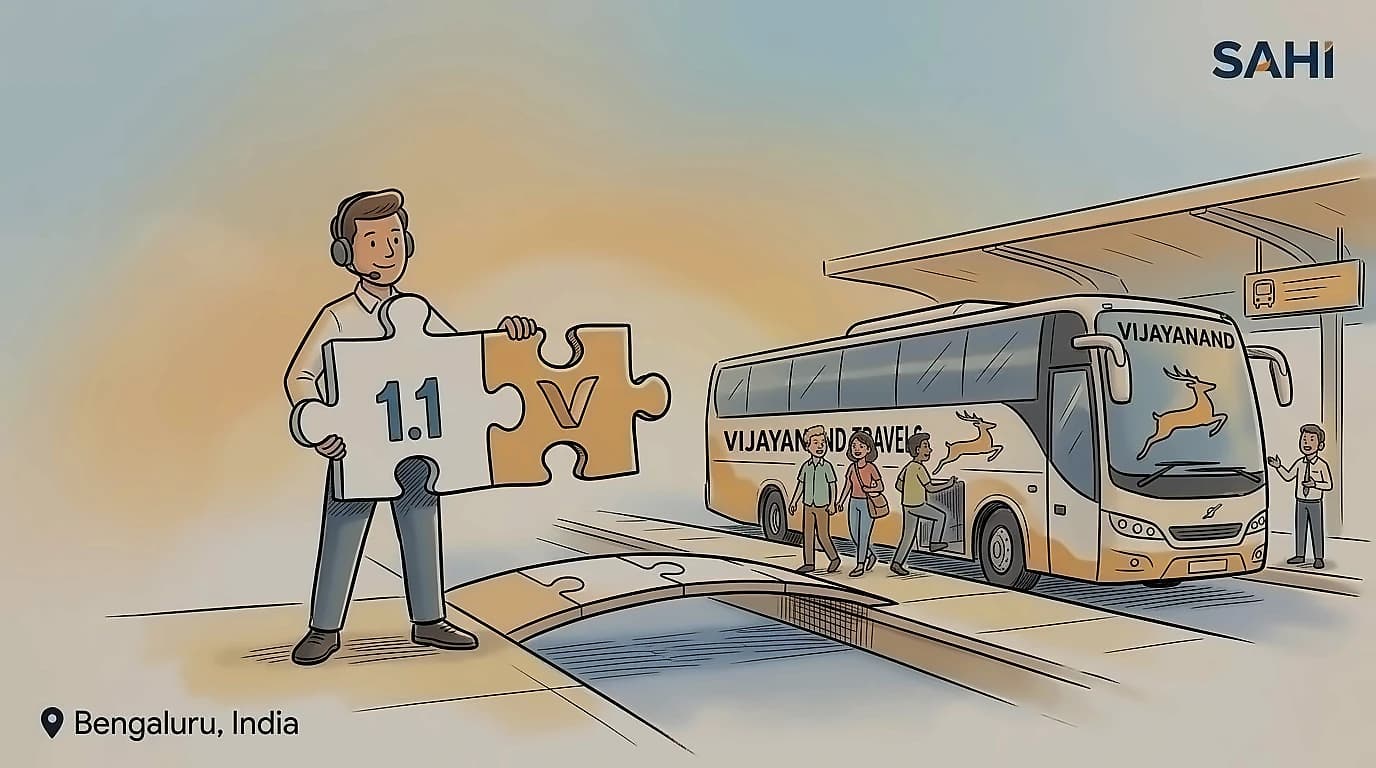
Vijayanand Travels Private Limited (VTPL) just made history.
This isn't VTPL's first rodeo with big orders. Back in 2011, they ordered 130 Volvo buses, which was the largest order at that time. Now they've surpassed their own record.
But here's the thing: this ₹500 crore investment (which includes a broader order of 550 buses—500 Eicher and 50 Volvo) isn't happening in a vacuum. India's intercity bus travel market is massive—USD 21.81 billion globally in 2026, with Asia-Pacific leading at 32.25% revenue share. The premium segment, where VTPL is placing its bets, is growing even faster at 9.89% CAGR through 2031. VTPL is essentially going all-in on a segment that's outpacing the overall market.
Why Volvo 9600? The Strategic Choice
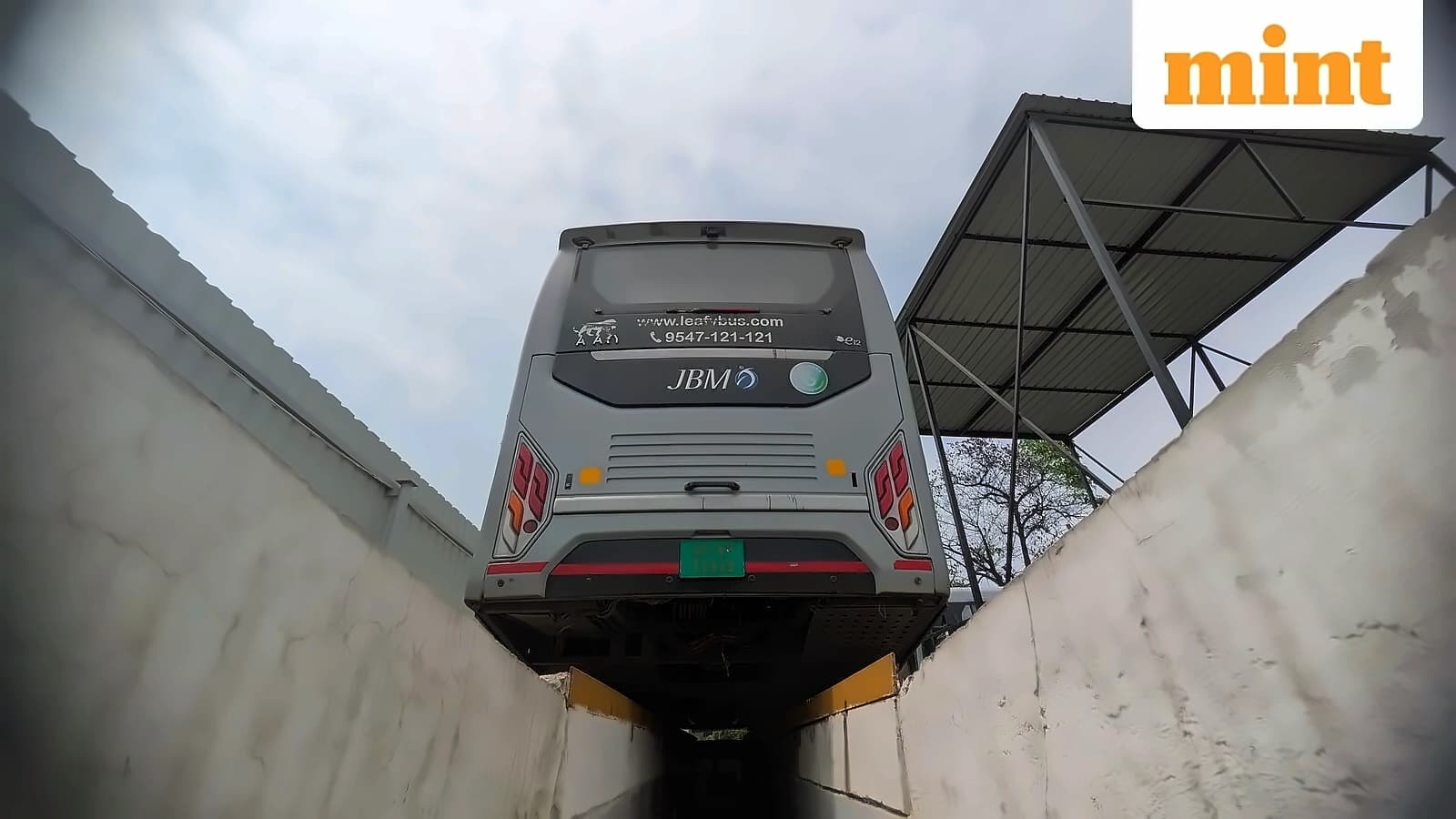
VTPL didn't pick the Volvo 9600 by accident. These coaches pack serious technical advantages: a Volvo D8K 8-litre engine delivering 350 HP and 1350 Nm of torque, I-Shift automated manual transmission, and safety systems including Electronic Braking System (EBS), Electronic Stability Program (ESP), and fire suppression systems. The "Tall Boy" design maximizes interior headroom and luggage capacity (8.5 cubic meters), accommodating 40 sleeper berths.
But the real differentiator?
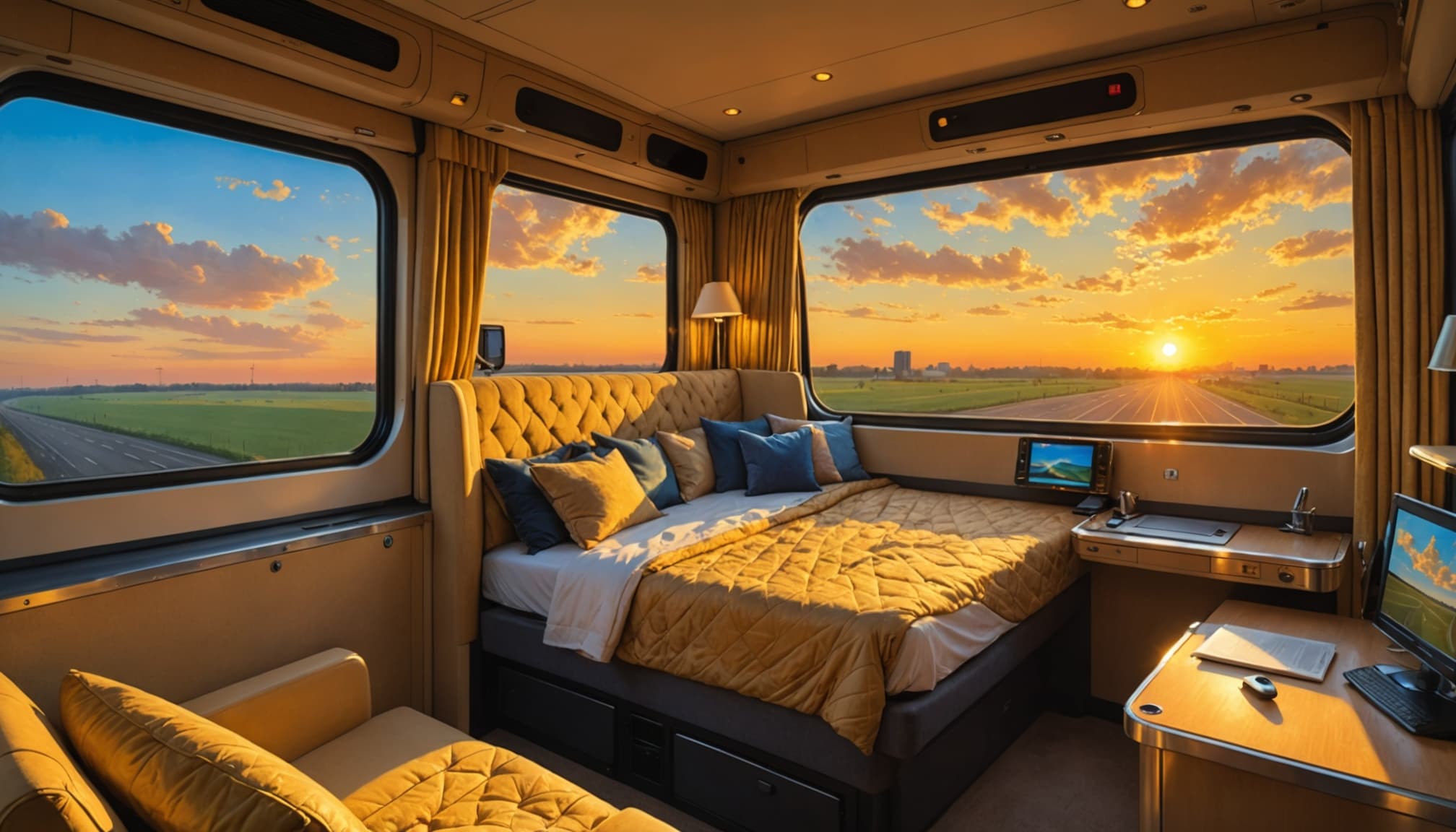
This directly supports their "Gold Class" positioning, essentially positioning intercity bus travel as a comfortable alternative to domestic flights on long-haul routes.
The partnership with VE Commercial Vehicles (VECV) runs deep. VTPL has been Volvo's longest-standing private operator partner in India, with trust built over decades. The buses are manufactured at VECV's Hoskote facility in Karnataka, aligning with the Make in India initiative while combining global engineering with local manufacturing tailored for Indian conditions.
The Competitive Landscape Before VTPL's Move
India's private luxury bus market has been dominated by established players. VRL Logistics, listed in the Limca Book of Records as India's largest fleet owner of commercial vehicles in the private sector, operates 4,360 vehicles including 419 buses. Other significant players include Neeta Travels (strong in western India, especially the Mumbai-Pune corridor), SRS Travels (southern states), Orange Travels (South India focus), Shrinath Travels (Rajasthan-Gujarat-Maharashtra), and newer tech-enabled players like IntrCity SmartBus, Zingbus, and FlixBus India.
Before this order, VRL Logistics held the edge with the largest Volvo fleet. VTPL operated around 350 buses across six states—Karnataka, Maharashtra, Andhra Pradesh, Telangana, Gujarat, and Goa—serving approximately 20,000 passengers daily with over 2 million app downloads. Their competitive advantages included dedicated ladies' seating, double-driver deployments for safety, in-house maintenance infrastructure, and an industry-leading 15% flat discount on direct bookings.
How This Order Changes the Game
VTPL's 150-bus Volvo order fundamentally alters competitive dynamics in several ways. First, it vaults VTPL to the highest Volvo bus count among private operators in India, directly challenging VRL's historical leadership. Second, the scale of onboard washroom deployment creates a service gap that competitors will struggle to match quickly. Third, the aggressive expansion into new states (Rajasthan, Tamil Nadu, Kerala, Madhya Pradesh, Delhi NCR) threatens established regional players.
The market share implications are significant.
With this expansion, they're targeting 16-19% share within 12 months and potentially 23.5-29.4% within three years. This growth comes at competitors' expense—VRL Logistics, Neeta Travels, SRS Travels, and others are expected to lose 1-3% market share each as VTPL captures demand.
The route expansion is equally aggressive. VTPL is growing from approximately 30 routes to 75+ routes, increasing daily departures from around 150 to 300+. High-density corridors like Bengaluru-Pune and Bengaluru-Hyderabad will see frequency double from 4-6 to 8-12 daily departures. New routes will launch at 2-4 departures daily, establishing presence in previously untapped markets.
Competitor Responses: The Arms Race Begins
Rival operators won't sit idle. VRL Logistics, with ₹2,909 crore revenue (2024) and strong financials, is well-positioned to respond. Their likely moves include Volvo fleet renewal (100-150 buses), route frequency increases, digital platform investment, and pricing promotions. The company has historically placed large Volvo orders (51 buses in 2016) and has the balance sheet strength (₹2,214 crore assets) to fund counter-moves.
Neeta Travels, SRS Travels, and Orange Travels will likely focus on defending their regional strongholds through fleet upgrades, route network optimization, and customer experience investments. The tech-enabled players—IntrCity SmartBus, Zingbus, FlixBus India—will double down on their technology advantages, corporate partnerships, and standardized platforms.
Industry-wide, we're expecting a fleet modernization wave worth ₹365-560 crores as competitors order 245-375 premium buses over the next 6-15 months. Service innovation will accelerate—competitors will rush to match VTPL's onboard washrooms, double-driver deployments, and digital booking capabilities. Pricing pressure is inevitable in the short term as operators fight for market share.
The Financial Math Behind the Bet
VTPL's investment makes financial sense if execution goes right. Each Volvo 9600 bus costs approximately ₹2-2.5 crores.
The payback period? Roughly 2-4 years assuming 60-70% operating margins on incremental revenue.
The positive spread of 9-21% indicates the investment creates shareholder value, assuming VTPL can maintain high occupancy and control operating costs.
Financing structure matters. A 50:50 debt-equity mix would mean ₹150-187 crores in debt (assuming ₹300-375 crore total investment) with annual interest burden of ₹15-19 crores at 10% rates. This increases leverage but remains manageable given VTPL's cash flow generation from 20,000 daily passengers and strong digital platform.
Execution Risks and What Could Go Wrong
The biggest risk? Occupancy. If VTPL achieves 75% occupancy (base case), the economics work beautifully. At 65% (conservative scenario), ROCE drops to 18-29%. At 85% (optimistic), it jumps to 30-43%. The difference between success and mediocrity comes down to filling those berths consistently.
Other risks include fuel price volatility (diesel costs directly impact margins), competitive price wars (rivals may launch aggressive discounting), economic downturns (reduced travel demand), and execution challenges (delays in fleet deployment or route expansion). VTPL's sensitivity analysis shows that a 20% drop in occupancy or fares significantly impacts ROCE, while fuel cost increases have a more moderate effect.
The delivery timeline also creates pressure. VECV's Hoskote facility will deliver the 150 buses over 4-6 months in phases. VTPL needs to have routes ready, staff trained, and marketing campaigns launched before buses arrive. Any misalignment between delivery and operational readiness creates costly idle time.
The Road Ahead: Can VTPL Pull This Off?
VTPL's goal is ambitious—reaching 1,000 buses within 18 months from the current ~350. The 150 Volvo buses are just the beginning. The company is building 10 restaurants along major routes, expanding its hub network (the Bengaluru Anand Rao Circle hub serves as a model), and developing ancillary revenue streams (onboard F&B, merchandise, partnerships).
The company's track record inspires confidence. They've operated Asia's longest bus route (Bengaluru to Jodhpur, 2,031 km), maintained punctuality that competitors struggle to match, and built customer loyalty through consistent service quality. Their digital platform—with 2 million app downloads—reduces dependence on aggregators and improves margins.
But the competitive landscape is evolving rapidly. Established players are responding, tech-enabled startups are disrupting traditional models, and the premium segment is attracting new entrants. VTPL's first-mover advantage with the Volvo 9600 and onboard washrooms will last 12-18 months before competitors catch up.
The next 24 months will determine whether VTPL's ₹500 crore gamble redefines India's luxury bus market or becomes an expensive lesson in competitive dynamics. If they execute well—maintaining 80%+ occupancy, achieving 20-25% premium segment market share, and expanding successfully to 10-11 states—this could be the transformational move that establishes VTPL as India's dominant premium intercity travel brand. If not, they'll have a lot of expensive Volvo buses and some very determined competitors.
Either way, India's luxury bus travelers win. Better service, more options, and competitive pricing—VTPL's aggressive expansion is raising the bar for everyone.