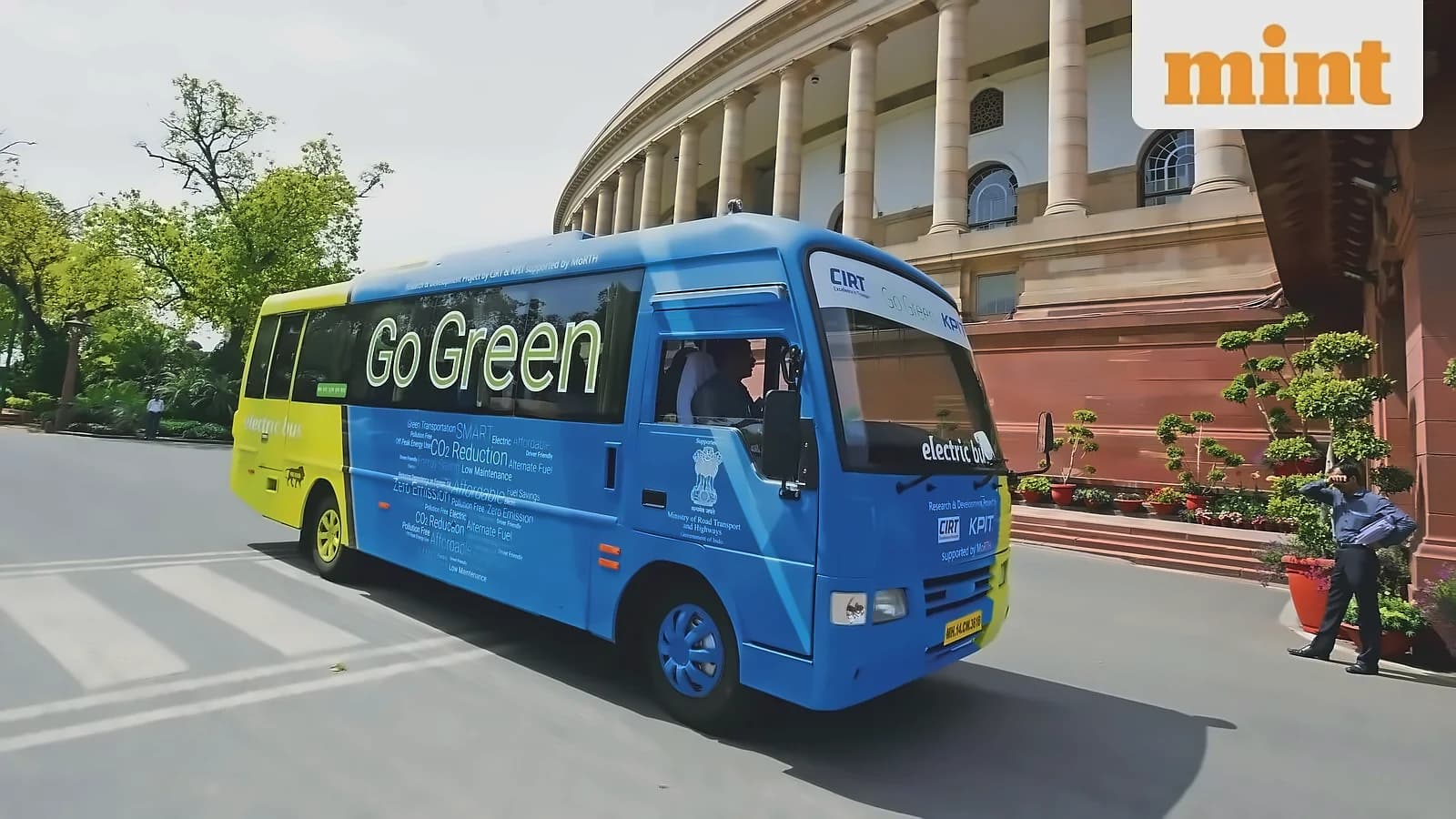
India has emerged as the third-largest e-bus market globally with 5,300 e-buses sold in FY26, representing a 37% increase from the previous fiscal year, according to data from the Vahan portal. The Union ministry of heavy industries announced in April 2026 a new scheme to provide ₹9,852 crore in cheaper loans to support 50,000 e-buses and 50,000 e-trucks over five years. This policy shift marks a significant change from the FAME schemes that ran from 2015 to 2024, with the Centre's ongoing ₹11,900-crore PM E-Drive allocating nearly 40% of its outlay towards 14,028 new e-buses for India's nine biggest cities.
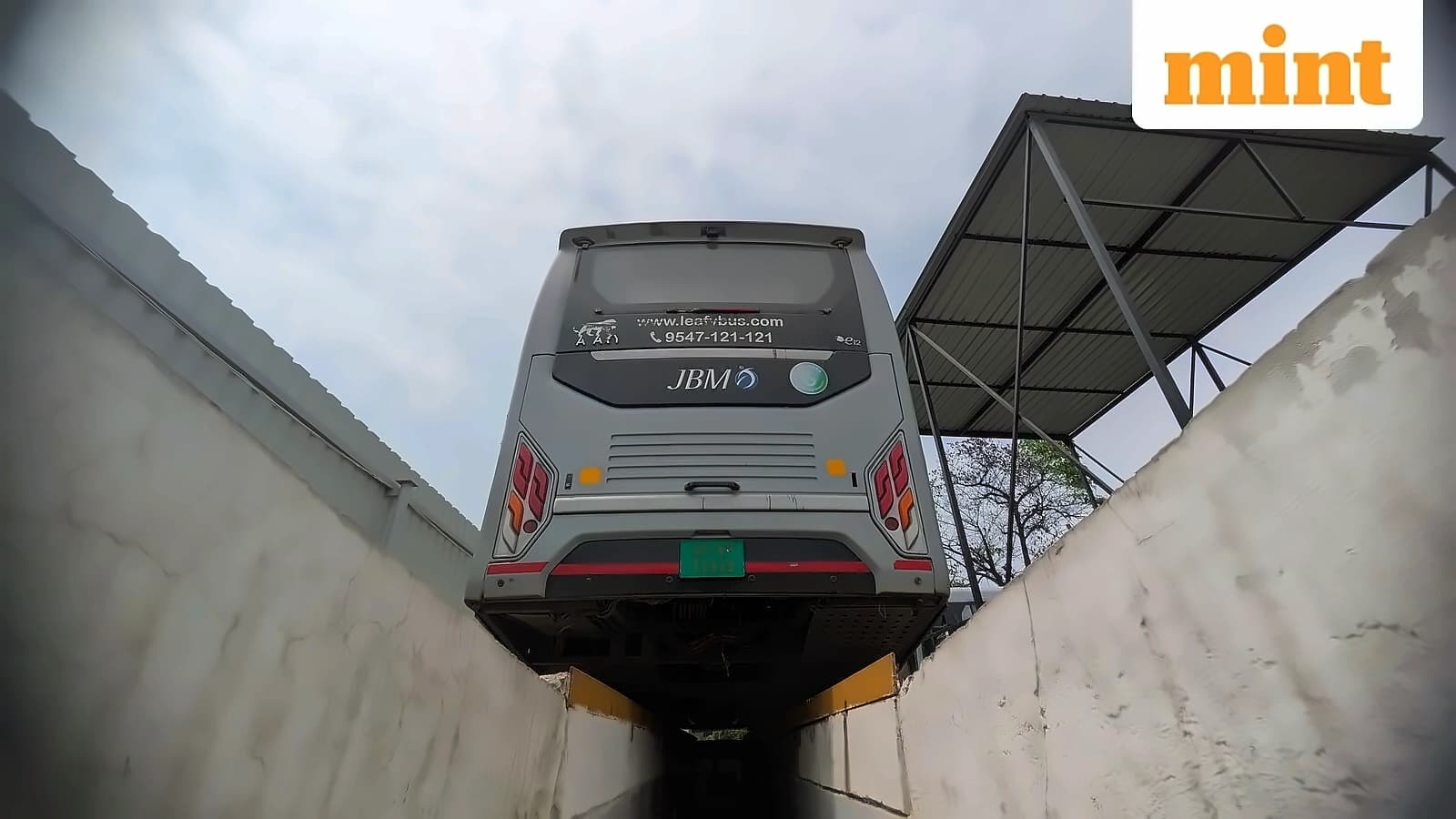
Despite higher upfront costs, e-bus operators are achieving compelling operational economics. A standard 13.5-metre seater-cum-sleeper electric bus costs ₹1.6-1.8 crore, while a comparable diesel bus costs around ₹65-70 lakh. However, operators report savings of nearly ₹5 per kilometre for e-buses compared to diesel buses, translating to ₹3,000 savings daily on a 600 km route and approximately ₹1 lakh monthly. The Centre's PM E-Drive scheme has allocated ₹11,900 crore with nearly 40% for new e-buses, supporting the transition to electric mobility.
The e-bus ecosystem faces significant charging infrastructure constraints that limit operational viability. As of September 2024, India has 67,657 public EV chargers, but only 534 (0.7%) have capacity of 121-240 kW, while just nine (0.01%) have capacity above 240 kW. Superchargers with capacity above 240 kW are crucial for e-bus operations, with a supercharging station requiring ₹5-7 crore investment to park and charge 10 buses. Charge point operators are securing deals with e-bus companies to provide electricity at ₹14-15 per unit against retail prices of ₹24-25 per unit.
Financiers are embracing the e-bus business model despite high upfront costs, with operators typically covering 80% of vehicle costs while financiers provide the remainder. The financing structure involves 5-8 year repayment periods with monthly payments covering maintenance and manpower costs. Operators like Prasanna Purple Mobility Solutions are achieving unit economics where e-buses run 15,000 km monthly to justify their higher costs. The ₹11,900-crore PM E-Drive scheme has allocated nearly 40% for new e-buses, with 14,028 e-buses planned for India's nine biggest cities.
India's intercity bus market presents significant growth opportunities with 340,000 intercity buses out of 2 million total buses as of 2024, according to a February 2026 SIAM whitepaper. Manufacturers are developing specialized intercity e-buses with higher battery capacities and aerodynamically optimized designs for longer distances. The emerging business model involves contractual relationships between e-bus makers, operators, financiers, and charging solution providers, with experts suggesting these relationships will remain foundational even as charging infrastructure matures over the next two decades.