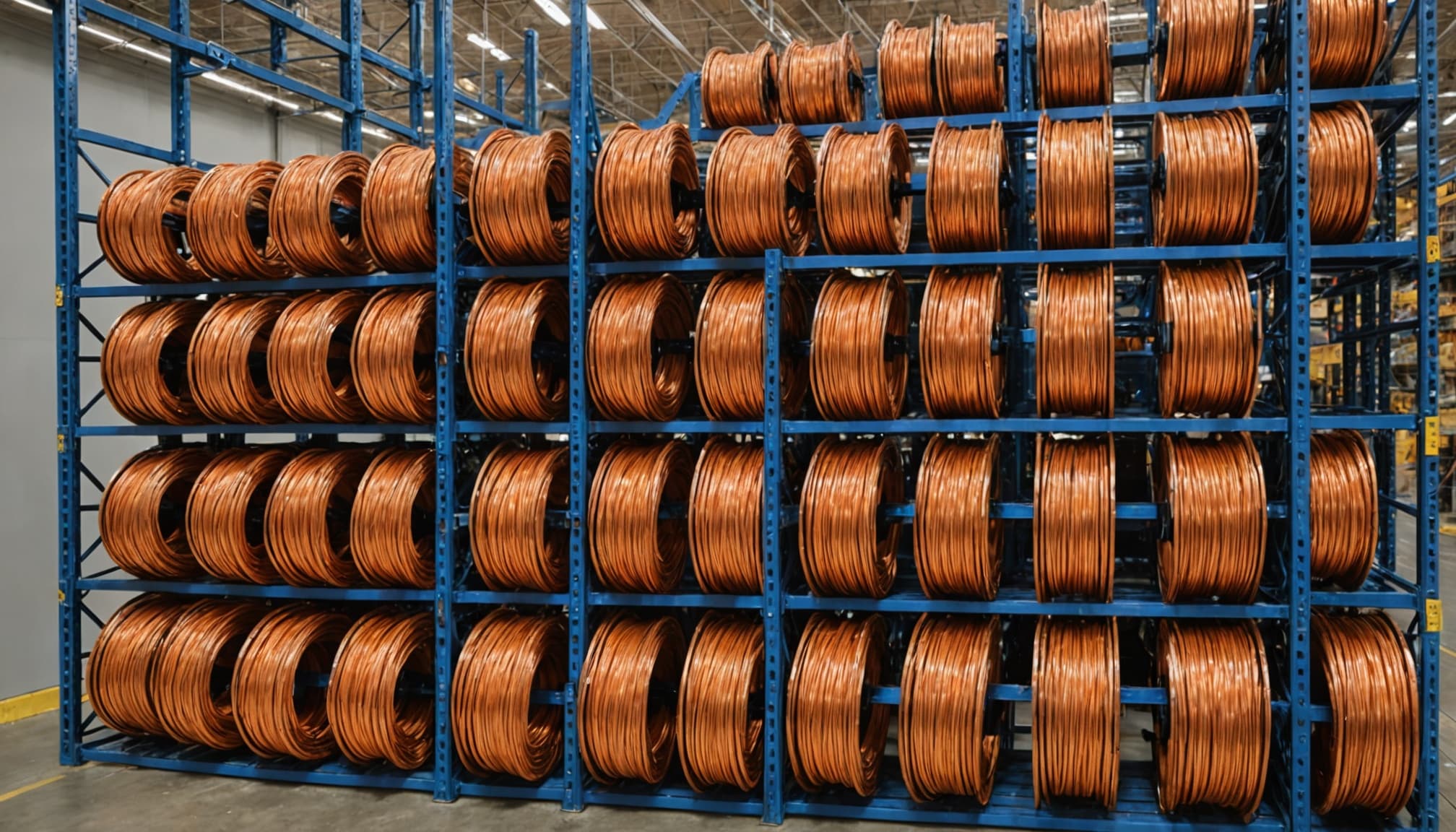
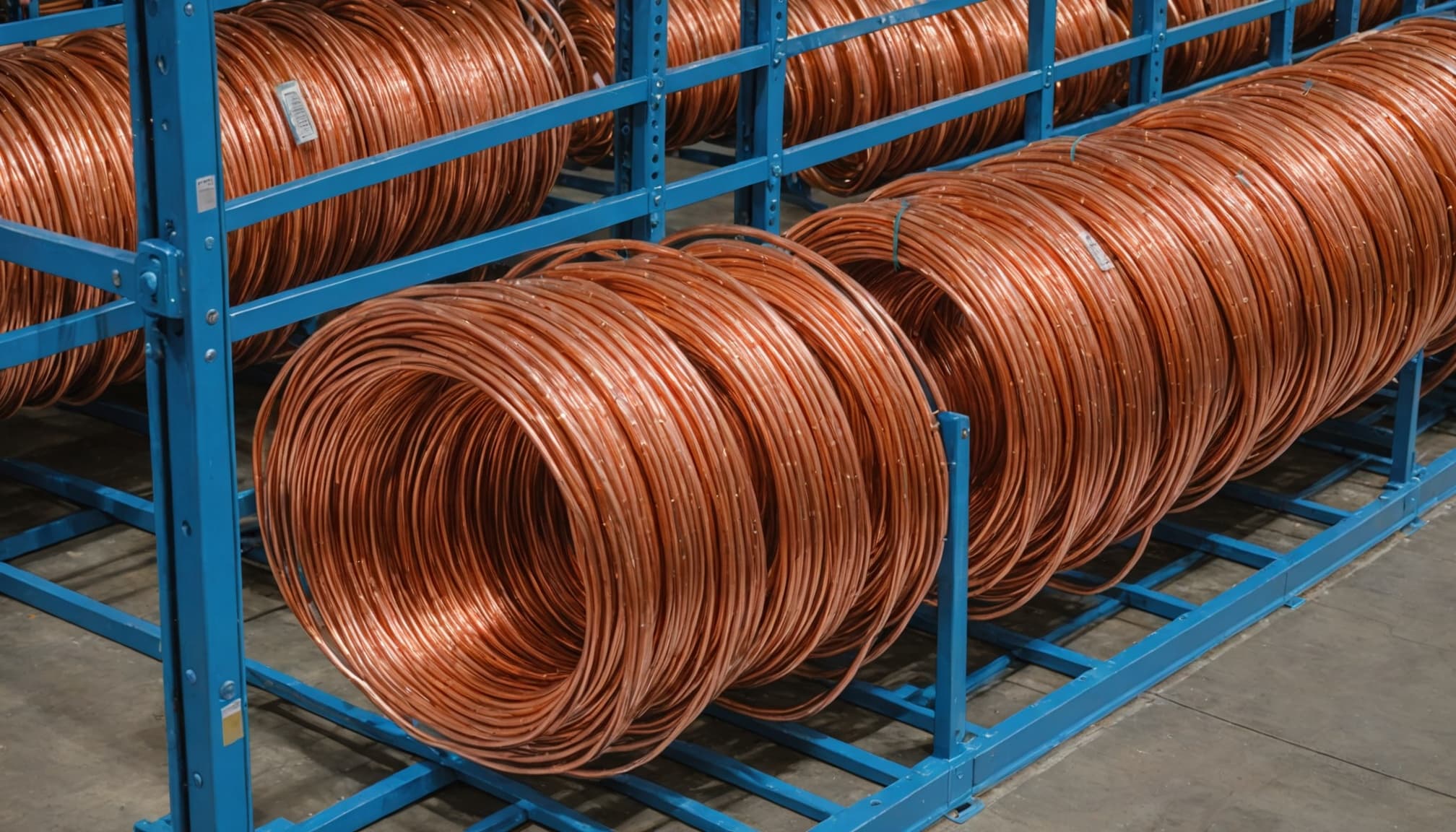
The decision to house Ultravolt under UltraTech Cement rather than as a standalone entity stems from deliberate strategic fit considerations.
The Building Products Division already offered mortars, waterproofing agents, and AAC blocks—wires and cables naturally complemented this portfolio. AnnualReports
The integrated structure unlocks immediate competitive advantages. UltraTech's massive infrastructure—37,000+ dealers, 1,08,000+ retailers, and 5,000+ UltraTech Building Solutions (UBS) outlets—provides distribution reach that a standalone wires company would require years to build. Management emphasized that dealers and institutional buyers recognize the UltraTech brand as assurance, commanding premium positioning. This brand equity, combined with manufacturing expertise and established logistics partnerships, creates barriers that competitors would struggle to replicate quickly. AnnualReports +2
Cross-Selling Synergies Across the Construction Value Chain
Ultravolt's entry extends UltraTech's participation beyond grey cement, ready-mix concrete, and building products into electrical infrastructure. The timing is strategic: 85% of wire demand derives from housing, which accounts for roughly two-thirds of cement demand. This alignment enables seamless cross-selling—individual home builders representing 65% of cement consumption are also primary buyers of house wires. Others
The UBS network, contributing 21% of UltraTech's total sales, serves as ready-made distribution infrastructure. These one-stop solution outlets already offer 15+ categories and 2,600+ SKUs across all 14 construction stages. Adding electrical products allows UltraTech to capture a higher share of customer wallets while providing builders with integrated procurement solutions. The company targets increasing customer wallet share to 60%+ through this comprehensive offering. Transcripts +1
Capital Allocation and Financial Impact
The Rs 1,800 crore investment represents a measured diversification within UltraTech's broader capital expenditure framework. With annual capex of Rs 8,000-10,000 crores planned through FY30-31, primarily for cement capacity expansion, Ultravolt's allocation is relatively small but strategically significant. As of June 2026, Rs 888 crore (49% of planned investment) had been committed. Transcripts +2
Financial projections suggest attractive returns. The business targets asset turnover of 5x at full capacity by FY30-FY31, with potential IRR of 25%. This compares favorably to UltraTech's current ROCE of 13.25% (March 2026) and the wires industry benchmark of 15-17% ROCE achieved by leading players. Revenue is expected to materialize from FY28 onwards, with payback projected over 4-5 years from commercial production. Others +2
The capital intensity profile differs markedly from cement operations. While UltraTech's traditional assets total Rs 82,611 crores, the Jhagadia facility's capital intensity is significantly lower per unit of output. The projected 5x asset turnover suggests superior capital efficiency compared to cement operations, potentially improving consolidated metrics over time. AnnualReports
Working Capital and Distribution Economics
Ultravolt's planned distribution network—leveraging over one lakh retailers and 5,000 UBS outlets—will require incremental working capital investment. However, the integrated approach mitigates some pressures. UltraTech's current working capital efficiency includes inventory turnover of 8.54 times and receivables turnover of 18 times, with a cash conversion cycle of approximately 14 days. AnnualReports
The wires business initially requires higher working capital due to inventory build-up during ramp-up. Management expects this to stabilize to approximately 30 days after the first six months. A significant advantage is the extremely short inventory cycle of just 4 hours, achieved through procurement from Hindalco with minimal lead distances. This efficiency should support healthy margins even as the distribution network scales. Transcripts
Trade margins in electrical goods typically range from 10-30% depending on product category, with branded products at the lower end. UBS integration provides advantages through reduced distribution layers, volume-based margins, and shared fixed costs. The one-stop solution model enables higher average transaction values and better credit terms compared to standalone electrical channels.
Competitive Positioning and Market Entry Strategy
Ultravolt launches as India's second-largest wires player by capacity with 10.98 lakh kilometres of annual capacity for house wires and light-duty cables. This substantial scale provides immediate competitive leverage against established players like Polycab (18% market share), KEI Industries (9%), and RR Kabel (7%).
The competitive strategy leverages multiple advantages. The electrician engagement programme, partnering with ESSCI under the Skill India initiative, aims to train 40,000 electricians over the next year. This exceeds competitor programs significantly—Havells' Project Maharath targeted 5,000 electricians. The training covers safe wiring practices, installation techniques, and advanced wire technologies, creating brand advocates at the point of installation.
The logistics network—20 warehouses serving 500 districts and 6,000 pin codes—optimizes service levels while creating operating leverage as volumes scale. The Jhagadia facility's strategic location within 100km of copper sources enables exceptional working capital efficiency. This network design delivers lower transportation costs, faster inventory turnover, and improved capacity utilization. Others
Macro Drivers and Demand Profile
Ultravolt's growth trajectory aligns with powerful structural trends. The projected construction of 100 million new homes over the next decade creates substantial electrical infrastructure demand. Government housing initiatives like PMAY have already sanctioned 1.22 crore houses since 2015, with 72 lakh completed and 50 lakh under construction. Each housing unit requires comprehensive electrical systems, driving sustained demand for house wires and related products.
Energy infrastructure expansion represents another major driver. India's 500 GW non-fossil fuel target by 2030 requires 280 GW of new interstate transmission capacity—more than double current expansion plans. The Union Budget 2026 allocated Rs 600 crore for Green Energy Corridors developing 6,000 km of intra-state transmission. This renewable energy buildout creates demand for specialized transmission cables and solar infrastructure.
Data center growth adds a third dimension. India's data center capacity reached 1.4 GW in 2025, up from under 500 MW in 2019 (24% CAGR), with another 1.4 GW under construction. The market valued at USD 5.5-6.9 billion in 2025 is projected to reach USD 13-21 billion by 2030-2034. Data centers are extraordinarily energy-intensive, with electricity consumption projected to grow from 13 TWh in 2024 to 57 TWh by 2030, driving demand for specialized power and fiber optic cables.
Cyclicality and Risk Profile
Ultravolt's demand profile demonstrates lower cyclicality compared to UltraTech's core cement business. While cement demand correlates directly with construction activity (55-65% housing, 29-31% infrastructure), wires and cables benefit from diversified drivers including housing electrification, renewable energy transmission, and digital infrastructure. This multi-driver approach provides natural hedging against sector-specific downturns. AnnualReports +1
The correlation with infrastructure spending also differs. Infrastructure creates stable demand floors for wires through energy and digital infrastructure projects, whereas cement demand experiences more pronounced seasonal and election-related variations. Ultravolt's exposure to government electrification initiatives creates policy dependency but also access to high-growth segments with strong government backing. AnnualReports
Customer concentration risk presents a nuanced picture. Ultravolt has moderate-high exposure to government utilities and PSUs, compared to UltraTech's low concentration risk through 39,973 dealers. However, Ultravolt's diversification across residential, commercial, industrial, and infrastructure segments provides some mitigation. Geographic concentration is lower for Ultravolt with pan-India presence, versus UltraTech's 96.4% domestic revenue focus. AnnualReports +1
Strategic Outlook
Ultravolt represents Aditya Birla Group's fourth new business foray in three years, reflecting a disciplined diversification strategy. Management explicitly stated that beyond wires and cables, no other building material investments are planned for the next five years. The focus is on "first maturing and milking the investment" before considering expansion. Transcripts +2
The Building Solutions strategy aims to strengthen UltraTech's position as a comprehensive provider rather than remaining a cement commodity player. This structural transformation, supported by the UBS retail platform and integrated product offerings, positions UltraTech to capture higher margins through value-added solutions rather than volume-based commodity sales.
The success of this strategy will depend on execution—particularly effective utilization of the distribution network, brand building through electrician engagement, and operational excellence in manufacturing and logistics. If successful, Ultravolt could contribute Rs 8,000-10,000 crore of revenue by FY30-31 while improving UltraTech's overall capital efficiency and reducing cyclicality through diversified demand drivers.
The early operationalization—commercial production commenced on September 1, 2026, ahead of the December 2026 target—demonstrates strong execution capabilities. Stock prices of dominant cable players experienced noticeable volatility upon the launch announcement, indicating market recognition of the competitive threat posed by a well-capitalized entrant with existing distribution infrastructure.
As India's construction and infrastructure story unfolds over the next decade, Ultravolt's integrated approach—combining manufacturing scale, distribution reach, brand equity, and strategic positioning across growth segments—positions it to potentially reshape the wires and cables competitive landscape while delivering attractive returns for Aditya Birla Group shareholders.