Tata Motors' EV Strategy: Capturing India's Mass Market by FY31
The Market Transition: From Early Adopters to Mainstream
India's EV market has crossed a critical threshold. Adoption has moved from early adopters (13.5% of the market) into the early majority phase (34%), which represents the "volume heart of the market". This shift isn't just incremental—it's a 5x expansion in the addressable customer base. For Tata Motors Passenger Vehicles, which currently commands 55%+ market share with 300,000+ EVs on Indian roads, this transition presents both opportunity and challenge. InvestorPresentations +2
The company targets 30%+ EV penetration by FY31, more than doubling from its current 14% mix. This isn't ambition without foundation. The broader industry expects 15-20% EV penetration by FY31, with total EV volumes scaling to 10-11 lakh units from 2.2 lakh in FY26. Tata Motors aims to outperform the market, with EVs contributing 47% of its incremental growth—approximately 8 lakh units—as total volumes expand from 640K to 1.2mn+. InvestorPresentations +5
Portfolio Expansion: Four New Models and Ten Refreshes
The expansion strategy is methodical. By FY31, Tata Motors will grow from 6 to 10 EV nameplates, adding 4 new products while executing 10+ facelifts and refreshes. The confirmed launches include Sierra.ev, scheduled for next quarter (FY27), and models based on the Avinya concept representing next-generation architecture. The remaining two new products will target "white spaces & premium segments," extending price coverage beyond the current ₹7-29 lakh range to ₹30L+. InvestorPresentations +4
But new models alone won't sustain momentum. The company's "New Forever" philosophy ensures continuous product interventions to keep the portfolio "always fresh and desirable". This approach has proven effective—despite no new nameplate additions for some time, market share was maintained through regular updates. Recent refreshes demonstrate the pattern: Tiago grew 20% following its update, Nexon.ev extended range to 465km with a 45 kWh battery pack, and Punch.ev received new features and capabilities. Transcripts +3
The financial implications are substantial. EV revenue reached ₹14,852 crore in FY25. As the portfolio expands and EV penetration increases, the revenue mix transforms dramatically. Currently, EV represents 14% of the mix; by FY31, it targets 30%+. More importantly, the margin trajectory shows clear improvement: from near EBITDA breakeven excluding PLI currently, to mid-single digits by FY29, and near parity with ICE vehicles by FY31. AnnualReports +3
Battery Technology: The Competitive Moat
Tata Motors' battery strategy spans 30 kWh to 75 kWh and beyond, using both LFP chemistry for cost efficiency and High-Nickel NMC for performance. The company has achieved significant cost reductions: 25% on battery pack non-cell/kWh, 20% on electric drive systems, and 40% on power electronics, with additional reductions planned. These structural cost advantages prepare the business for the post-PLI world while maintaining price competitiveness. InvestorPresentations +2
The cost-benefit analysis favors investment over compromise. Advanced technology and price competitiveness are complementary, not competing objectives. Scale-driven cost reductions (25-40% achieved across key components), structural efficiency improvements (2-2.5% annual cost reduction), and technology differentiation create sustainable competitive advantages. The long-term outlook is compelling: while ICE vehicles face inflationary cost pressures due to emission regulations, EVs benefit from deflationary cost trends. InvestorPresentations +2
Charging and range improvements directly address adoption barriers for mainstream customers. The company identifies five critical barriers: price premium, real-world range, charging speed, ownership confidence, and charging ecosystem. Current products offer 400km+ real range, with future products targeting 500km+. Charging infrastructure has expanded from 10,065 public points in FY24 to 32,640 in FY26, with plans for 20,000-22,000 additional chargers in the next 18 months. InvestorPresentations +3
Capital Investment and Financial Returns
The capital expenditure strategy balances aggressive investment with financial discipline. Tata Motors plans to maintain capex at approximately 7% of revenue through FY31, with total investment of ₹37.5-40K Cr for the FY29 mid-term period. FY26 actual investment spending reached ₹5,218 Cr, with 39% capitalized as R&D. Capacity expansion includes +400k units to support growth ambitions, taking total capacity to 1.3 million units. InvestorPresentations +3
The financial projections show a clear pathway. Revenue is expected to grow from ₹58.5K Cr in FY26 to ₹140K Cr by FY31, with EBITDA margins improving from 6.9% to 10%. ROCE has already improved significantly, reaching 19.4% in FY26 from 6.5% in FY24. Free cash flow generation follows a phased approach: marginally negative during heavy investment years (FY26-FY29), improving during transition (FY29-FY31), and strongly positive post-investment. InvestorPresentations +3
Competitive Defense and Market Leadership
Tata Motors' first-mover advantages have evolved into sustainable competitive moats. Seven years of market leadership have generated billions of kilometers of real-world data, providing significant competitive intelligence. The company maintains the widest EV portfolio in India, with over 50% domestic value addition making all products eligible for PLI schemes. Strategic supplier partnerships concentrate 50% of Annual Purchase Value from top 20 suppliers, targeting 65% by FY31. InvestorPresentations +4
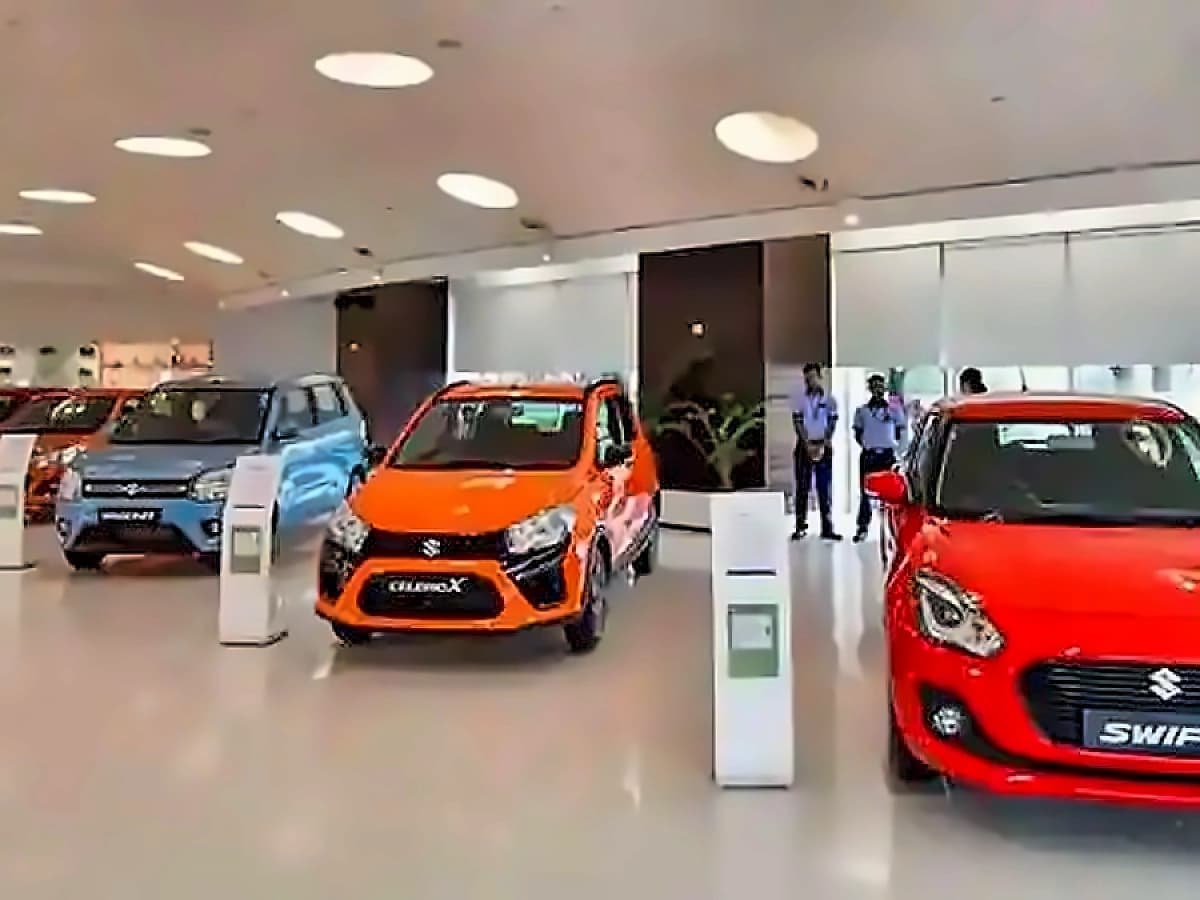
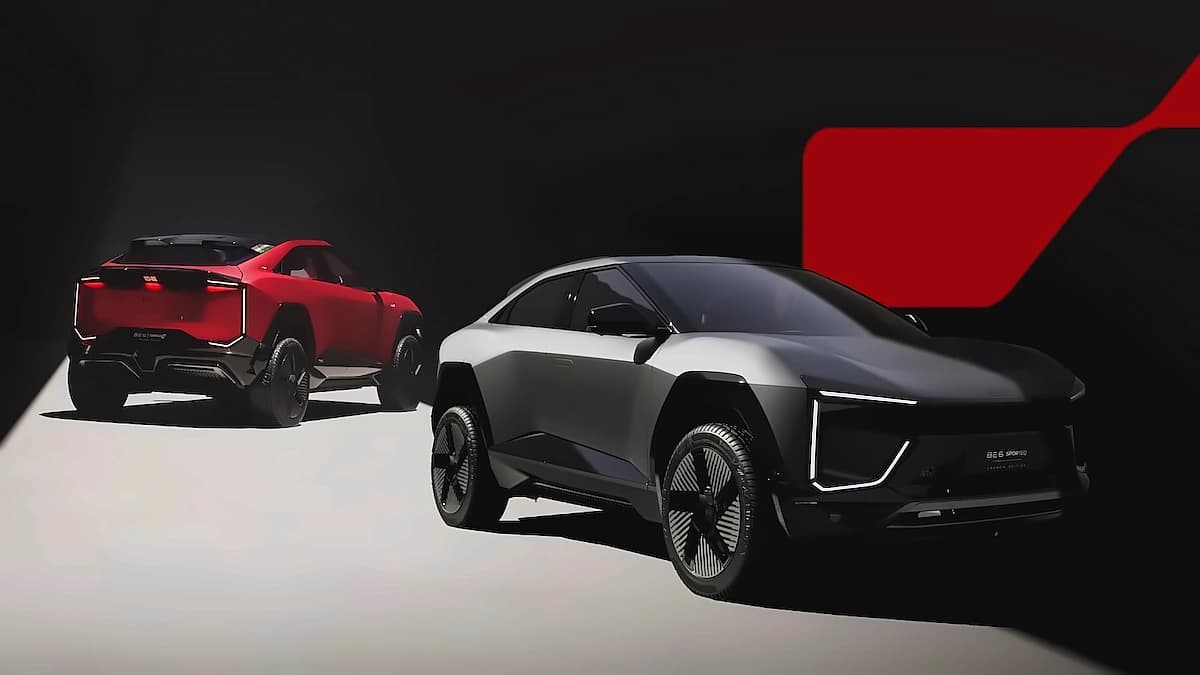
The competitive landscape is intensifying. Mahindra & Mahindra has emerged as the primary challenger, securing #2 position with 31.4% volume market share in Q4 FY26 and achieving #1 in revenue market share. Their aggressive strategy includes 6 new BEVs by FY31 and 80% conquest customer acquisition. Maruti Suzuki, despite ICE leadership, has been notably cautious in EV response. Transcripts +4
Tata Motors' defense strategy is comprehensive. The multi-powertrain approach (ICE, PHEV, MHEV, BEV) provides flexibility across varying regional adoption rates. The three-pillar technology strategy—battery technology, integrated powertrains, and thermal management—compounds competitive advantage. Ecosystem integration, including 18,000 chargers through collaboration with Tata Power, creates barriers to entry for competitors. InvestorPresentations +2
Risks and Mitigation Strategies
The path to 30% EV penetration faces several risks. Subsidy dependency remains significant—FAME2 incentive expiry caused sharp fleet segment decline, and state policy changes like road tax waiver removals in Telangana (10-15% of EV industry) create uncertainty. Charging infrastructure development lags adoption rates, with 75% of EV sales concentrated in only 25 cities. Competitive pressure is intensifying, with new product launches creating temporary volume surges for competitors. Transcripts +3
Supply chain and cost headwinds persist. Battery prices experienced a 35% jump in the second half of the previous financial year, though moderating with expected margin benefits. Commodity inflation accounts for ~20% of material costs. Consumer sentiment shows EV volumes range-bound at ~5,500 per month for almost a year, influenced by negative global EV narratives. Transcripts +2
Management's mitigation strategies are equally comprehensive. Portfolio expansion to 10 EV nameplates by FY31 with sustained launch cadence strengthens market coverage. Supply chain resilience initiatives include control towers, vendor parks, and digital/AI tools for demand forecasting. Cost reduction programs deliver 2%+ annual cost reduction through conventional levers and value engineering. Market development focuses on geographic expansion beyond current 25-city concentration and customer education addressing key adoption barriers. InvestorPresentations +3
The Strategic Imperative
The timing of Tata Motors' product launch cadence is critical. The early majority segment represents 34% of the total market—the largest single customer segment on the adoption curve. Capturing this segment requires products specifically designed for mainstream customer needs rather than early adopter preferences. The company's sustained launch cadence, combined with technology enhancements addressing range, charging, and price parity, positions it to capture this transition. InvestorPresentations
The financial implications of achieving 30%+ EV penetration by FY31 are transformative. Revenue mix shifts from 14% to 30%+ EV penetration, with EVs becoming the largest contributor to incremental growth. Profitability evolves from EBITDA breakeven (ex-PLI) to near parity with ICE margins. Long-term competitive advantage emerges through deflationary EV cost structures versus inflationary ICE costs.
Tata Motors Passenger Vehicles has transformed first-mover advantage into a comprehensive set of sustainable competitive moats. The combination of proven product performance, extensive ecosystem integration, cost structure advantages, and strategic market positioning creates significant barriers to entry. While market share may face short-term volatility from competitive launches, the long-term positioning remains strong with structural advantages that should persist as the market matures.
The key to sustaining this advantage will be continued innovation, cost reduction, and ecosystem expansion while maintaining focus on customer experience and dealer profitability. As India's EV market transitions from early adopters to mainstream adoption, Tata Motors is positioned to lead the charge—literally and figuratively.