The partnership with Hindustan Petroleum Corporation Limited (HPCL), launched first in Bengaluru, lets customers order HPCL's newly launched HP Navya 10kg composite cylinder and 5kg metal cylinders directly through the Instamart app. This isn't just another category expansion like adding electronics or personal care items. It's Instamart's entry into regulated utility distribution, a space that requires safety compliance, specialized training, and regulatory approvals that most quick-commerce companies have never navigated.
What makes this particularly interesting is the customer segment it targets. You don't need an existing domestic LPG connection to order. That opens the door to students, working professionals in rental accommodations, and small households who've found the traditional gas connection process cumbersome. These are exactly the urban, digitally-savvy consumers who already use quick-commerce platforms for their daily needs. Instamart is essentially solving a real pain point—getting cooking gas without the paperwork and waiting periods that traditional distributors require.
The Business Model: Low Risk, High Potential
Here's the clever part of this partnership. Instamart isn't building its own LPG infrastructure or stocking cylinders in its dark stores. The fulfillment runs through HPCL's existing authorized distributor network, with delivery handled by HPCL's trained personnel following safety protocols. For Instamart, this is a low-risk way to test demand in a high-trust category without taking on inventory risk itself. The platform essentially provides the digital storefront, customer interface, and order management, while HPCL handles the physical logistics and compliance.
The financial implications are significant. Instamart's current average order value (AOV) runs between ₹700-746. LPG cylinders, priced at commercial rates between ₹1,500-2,000 for the 10kg HP Navya composite cylinder, could boost AOV by 2-3x. While specific commission rates haven't been disclosed, Instamart typically charges 8-15% commission on FMCG products. Even at the lower end, the absolute commission per order would be substantially higher than grocery orders. The partnership requires an estimated capital investment of ₹17.8-28.2 crore, primarily for technology integration, safety systems, and customer verification infrastructure—far less than the ₹80-120 lakh needed per new dark store.
The HP Navya Advantage: Built for Quick Commerce
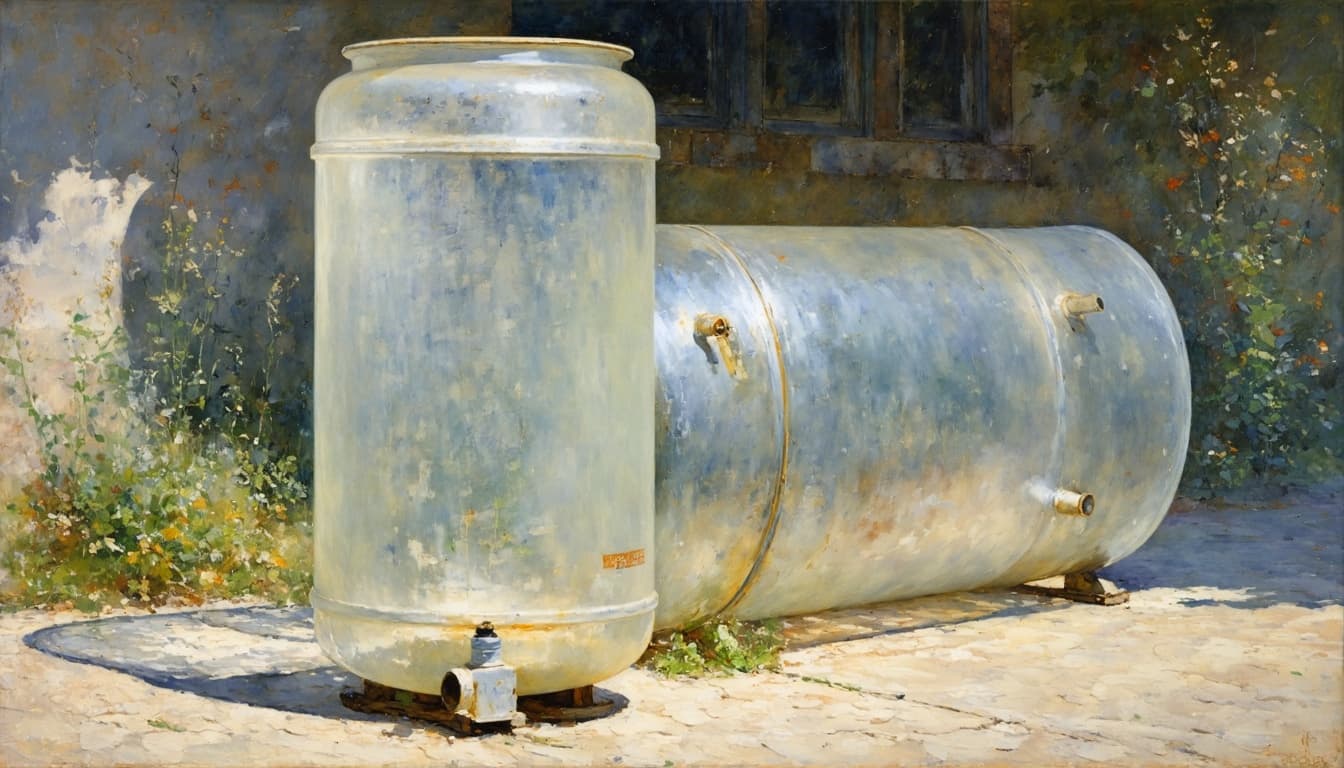
HPCL's timing with the HP Navya composite cylinder isn't coincidental. The 10kg cylinder is nearly 50% lighter than traditional steel cylinders, corrosion-resistant, and features a translucent body that lets users check gas levels without additional equipment. These aren't just nice-to-have features—they're specifically designed for urban apartments, small families, and the exact customer segments that quick-commerce platforms serve. The compact design and enhanced safety features make it ideal for delivery through channels that prioritize convenience and speed.
For HPCL, this partnership represents a strategic shift in distribution. Traditional LPG distributor setup costs ₹38-60 lakh per location, with customer acquisition costs around ₹500-800 per customer.
That's an 87% reduction in investment and 60% lower customer acquisition costs. HPCL has invested an estimated ₹148-222 crore in developing the HP Navya product line, and the quick-commerce partnership provides an efficient route to recover this investment while reaching urban demographics that traditional dealer networks struggle to access.
Regulatory Barriers Create Competitive Moats
Entering the LPG distribution business isn't as simple as adding a new product category. It requires approvals from multiple regulatory bodies including the Petroleum and Natural Gas Regulatory Board (PNGRB), the Ministry of Petroleum & Natural Gas, and compliance with the Petroleum Rules 2002 and Explosives Rules 2008. The approval process takes 3-6 months compared to 2-4 weeks for standard quick-commerce expansion.
The identity verification requirement for first-time LPG customers adds another layer of complexity. While standard grocery orders require just phone OTP verification taking 2-3 minutes, LPG customers need government ID proof, address verification, and security deposit payments totaling ₹3,000 for composite cylinders. This extended verification process (19-32 minutes vs. 2-3 minutes) will likely reduce conversion rates by 70-80% compared to standard orders. However, once customers complete this initial verification, they become locked into the ecosystem with higher switching costs and recurring monthly refill orders.
The Competitive Landscape Shifts
This partnership fundamentally alters the competitive dynamics in quick commerce. Instamart now offers something no competitor can match—integrated essential services that include both groceries and cooking gas. For customers, this creates a one-stop solution for daily household needs. For competitors, it raises the bar on what "convenience" means. Blinkit, Zepto, and BigBasket will need to respond, either by pursuing similar LPG partnerships with IndianOil or BPCL, or by differentiating through alternative essential services.
Traditional LPG distributors face perhaps the biggest threat. Urban market segments including students, young professionals, and tech-savvy households represent 33-57% of distributor revenue that could shift to digital platforms over the next 12-24 months. The traditional model—phone-based ordering, 2-3 day delivery timelines, and physical documentation—can't compete with the convenience of app-based ordering and quick delivery. Smaller distributors may struggle to adapt, potentially leading to industry consolidation.
The ROI Profile: Promising but Not Guaranteed
The return on investment projections look attractive for both partners.
After initial investment recovery in 12-18 months, annualized ROI could reach 40-150%. This compares favorably to Instamart's core business, where dark stores generate 15-25% ROI with 2-3 year payback periods. For HPCL, the partnership offers customer acquisition costs 50% lower than traditional channels, with ROI on partnership costs projected at 30-75% by year two.
But these projections come with caveats. The pilot in Bengaluru will test whether customers actually want to order LPG through a quick-commerce app, whether the safety protocols can scale without incidents, and whether the conversion friction from identity verification is manageable. Competitors will likely respond, potentially eroding Instamart's first-mover advantage. Regulatory requirements could evolve, adding complexity and cost. The success of this partnership depends on execution as much as strategy.
What This Means for the Future
Beyond the immediate financial impact, this partnership signals where quick commerce is heading. It's moving beyond convenience toward becoming essential infrastructure for urban households. If successful, Instamart could expand into other utility services—water delivery, electricity bill payments, perhaps even financial services. Each regulated category adds another layer of competitive moat while deepening customer relationships.
For HPCL and other oil marketing companies, this represents the future of utility distribution. Digital channels offer lower customer acquisition costs, faster market penetration, and access to demographics that traditional networks can't efficiently reach. The HP Navya composite cylinder, with its lightweight design and urban-friendly features, is essentially built for this digital-first distribution model.
The bigger question is whether this model can scale beyond Bengaluru and whether other quick-commerce platforms can replicate it. Instamart's first-mover advantage in regulatory approvals and operational expertise provides a head start, but the LPG market is large enough for multiple players. If the pilot succeeds, expect to see similar partnerships announced within months. If it struggles with safety incidents or customer adoption, it could set back the entire category.
For now, Instamart has made a bold bet that quick commerce can handle regulated, safety-sensitive products. It's a bet that could pay off handsomely if executed well, or one that could remind everyone why some categories are harder to disrupt than others. Either way, the quick-commerce landscape just got a lot more interesting.