Lease Structure Economics: Damp vs Wet Cost Dynamics
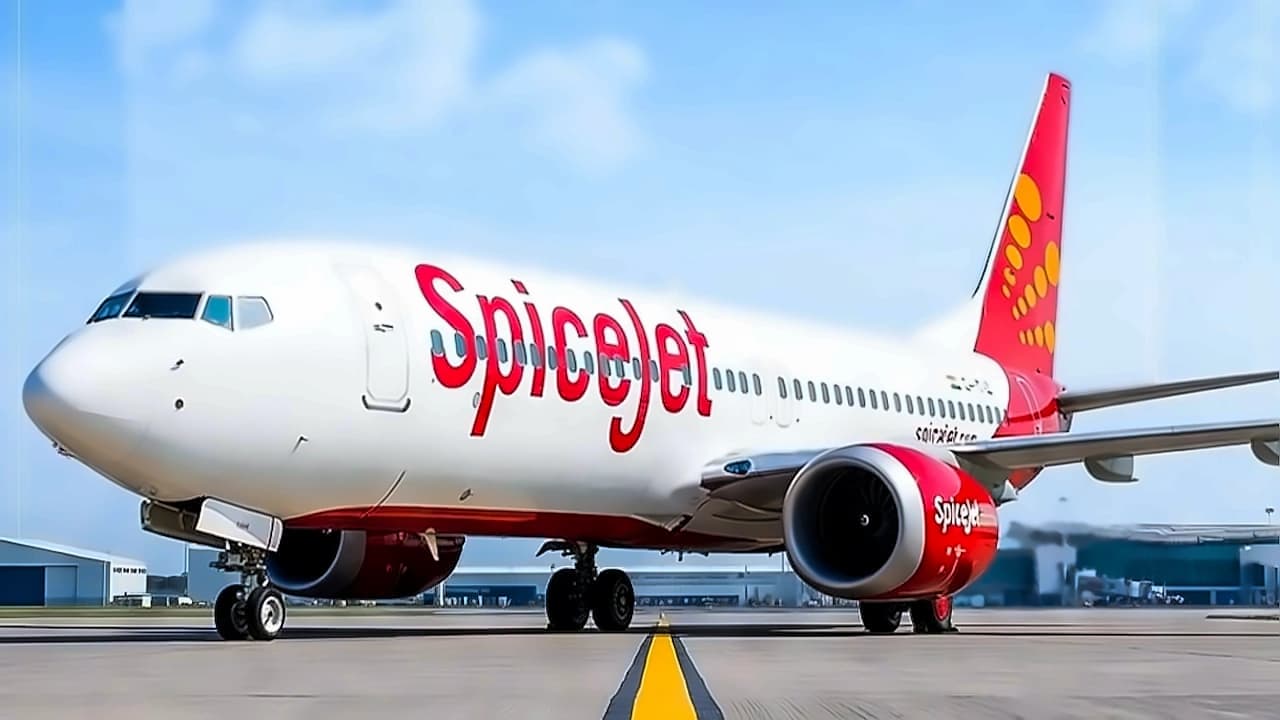
SpiceJet's fleet expansion strategy hinges on a sophisticated mix of lease arrangements, with 15 Boeing aircraft under damp leases and 5 Airbus aircraft under wet leases. The cost implications are significant. Under damp leases, lessors provide aircraft, flight crew, and maintenance support while SpiceJet supplies its own cabin crew. This arrangement delivers lower unit costs compared to wet leases, where lessors provide complete crew, insurance, and maintenance cover at a premium. The financial data bears this out—Employee Benefit CASK (Cost per Available Seat Kilometer) dropped 34% quarter-on-quarter to ₹0.54, reflecting the efficiency gains from managing cabin crew in-house rather than paying lessor premiums. InvestorPresentations
The trade-off is clear: damp leases offer better long-term cost control and operational flexibility, while wet leases provide short-term capacity without long-term commitment. SpiceJet has been strategically reducing wet lease dependence, cutting from 7 aircraft in Q4 FY25 to zero by Q2 FY26.
The mixed approach allows SpiceJet to optimize costs on core operations through damp-leased Boeing aircraft while using wet-leased Airbus aircraft for seasonal capacity flexibility during peak demand periods. InvestorPresentations
Capacity Enhancement: A321s and Load Factor Optimization
The induction of five Airbus aircraft, including the higher-capacity A321 variant, represents a strategic move to boost seat density and revenue potential. The A321 typically accommodates 180-220 passengers in single-class configuration, compared to 150-180 seats on standard Boeing 737 variants. This 20-30% increase in seating capacity directly translates to higher revenue potential per flight, particularly on high-demand metro and trunk routes where slot constraints limit frequency additions.
SpiceJet's target of 200 daily flights for the winter schedule marks a significant jump from approximately 125 flights during the preceding summer schedule—a 60% capacity increase. The previous winter expansion demonstrated the potential of this approach. In winter 2025-26, SpiceJet more than doubled its operational fleet and tripled its Available Seat Kilometers (ASKM), taking daily flights from 125 to 250 at peak. This expansion drove passenger market share from 2.2% to 4.3% in just three months, while maintaining load factors in the mid-80% range. The additional capacity also helps stabilize airfares during peak demand periods, addressing a key market concern. InvestorPresentations
Strategic Lessons from Winter 2025-26 Expansion
The decision to repeat a similar-sized induction is rooted in the success of the previous winter expansion. Quarterly ASKM expanded more than 2x from 305 to 650 crore, reflecting significant capacity ramp-up. Revenue from operations jumped 77% quarter-on-quarter to ₹1,384 crore in Q3 FY26, while passenger traffic grew 77% to 2.0 million. These metrics provided compelling validation for repeating the strategy. InvestorPresentations
However, the expansion wasn't without challenges. Q3 FY26 showed a loss of ₹268 crore, including significant costs: ₹136 crore for grounded aircraft, ₹53 crore forex impact, and ₹12 crore for engineering costs related to ungrounding operations. These experiences have informed a more calibrated approach.
The current expansion targets 200 daily flights—a more measured increase compared to the previous winter's peak of 250 flights. InvestorPresentations
Fleet Revival: Engine Overhaul and Reliability Gains
A critical component of SpiceJet's capacity strategy is the reactivation of grounded aircraft through a comprehensive engine overhaul program. The company dispatched 19 engines globally, including 7 for Boeing 737 NG aircraft, 6 for Boeing 737 MAX aircraft, and 6 for Q400 aircraft. A strategic partnership with StandardAero Inc. has been central to this effort, with six CFM LEAP-1B engines sent to Houston and seven Q400 engines to Singapore. InvestorPresentations
The results are measurable. Aircraft maintenance costs decreased 44% quarter-on-quarter and 18% year-on-year to ₹0.56 CASK, indicating improved operational reliability. The overhaul program has enabled the return of fuel-efficient Boeing 737 MAX aircraft, which not only strengthen operations but also provide cost savings through reduced fuel consumption and lower maintenance requirements. This systematic approach to fleet revival has established a foundation for improved fleet reliability and capacity utilization, supporting the current expansion while maintaining operational efficiency. InvestorPresentations
Financial Impact: Leverage Ratios and Cash Flow Dynamics
The addition of 20 aircraft through lease arrangements will significantly impact SpiceJet's financial structure. Existing lease liabilities total ₹16,663.75 million as of March 2025, with annual lease cash outflows of ₹6,545.10 million. The new aircraft will add substantially to these obligations, particularly given the 836% quarter-on-quarter increase in aircraft rentals observed in Q3 FY26 during similar expansion. InvestorPresentations
The timing of aircraft inductions between mid-October and mid-November strategically aligns with the holiday travel period, creating both opportunities and challenges. Q3 FY26 revenue growth of 77% quarter-on-quarter demonstrates the revenue potential of capacity expansion. However, the current ratio of 0.41 indicates tight working capital, and lease payments typically require monthly or quarterly advance payments. This creates working capital strain during the initial lease payment period, even as revenue recognition accelerates during the holiday travel season. InvestorPresentations
Legal and Regulatory Landscape
The deferral of lessors' bankruptcy cases by the National Company Law Tribunal (NCLT) provides crucial financial flexibility. Eight insolvency petitions were pending against SpiceJet by aircraft lessors over unpaid dues, but the withdrawal of one case and the decision to rehear remaining cases by a new bench has preserved management control and provided additional time for settlements. This reprieve is essential for pursuing additional aircraft leasing without immediate insolvency threat.
Regulatory scrutiny presents both challenges and opportunities. The Central Consumer Protection Authority (CCPA) imposed a ₹1 lakh penalty for "dark patterns" on SpiceJet's booking platform, including pre-ticked checkboxes for loyalty program enrollment. While financially insignificant, the penalty requires adjustments to customer acquisition strategies. Meanwhile, the Directorate General of Civil Aviation (DGCA) has revised norms for wet and damp leasing, creating provisions for emergent operational situations and relaxing Effective Implementation score requirements for leases not exceeding six months. These changes could facilitate SpiceJet's expansion strategy, provided the airline demonstrates robust safety management systems and compliance.
Strategic Outlook
SpiceJet's fleet expansion represents a calculated risk balancing short-term financial pressure with medium-term recovery potential. The immediate challenges include working capital strain during October-November lease payments and ongoing NCLT proceedings creating uncertainty with lessor relationships. However, mitigation factors are substantial: strong revenue momentum with 77% quarter-on-quarter growth, market share recovery from 1.9% to 4.3%, and settlement progress with lessors reducing legal risks. InvestorPresentations
The timing alignment of aircraft inductions with the holiday travel period provides the optimal revenue recognition window to support increased financial obligations.
The mixed lease strategy, combined with fleet revival through engine overhaul and regulatory engagement, positions SpiceJet to leverage the peak travel season while building toward sustainable operational recovery. InvestorPresentations