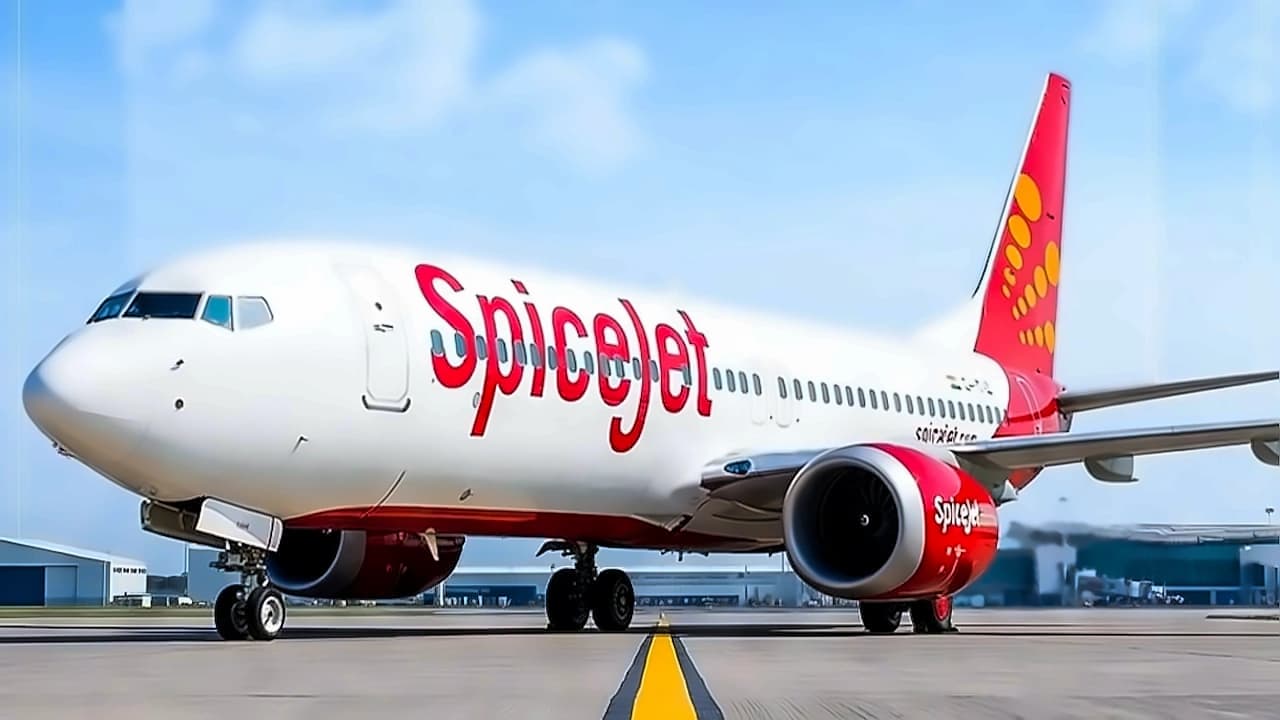
Airline carrier SpiceJet has achieved a significant operational turnaround, with its market share doubling from 1.9% in September 2025 to 4.3% in December 2025. This dramatic improvement reflects the airline's ongoing efforts to restore operations and expand its network following previous challenges. During the third quarter, SpiceJet increased capacity by 56%, adding 16 aircraft, which enabled a broader network, more flight options, and higher passenger volumes across various routes. The airline's Available Seat Kilometres (ASKMs) doubled from approximately 55 crore to 105 crore in the last quarter, indicating a steady strengthening of its operational reach and competitive position in the domestic aviation market.
The airline has finalised lease agreements to induct 20 aircraft ahead of the upcoming winter schedule and holiday travel period. The airline plans to induct 15 Boeing aircraft and 5 Airbus aircraft under damp and wet lease arrangements, with the five Airbus aircraft including A321 variants that offer higher seating capacity than the airline's existing narrow-body fleet. The aircraft will join the fleet in phases between mid-October and mid-November, ahead of the winter travel season beginning with Durga Puja. Looking ahead, SpiceJet aims to further expand, targeting around 220 crore ASKMs by Winter 2026 and plans to operate over 300 daily flights as it continues to scale its network. To support this growth, the airline is expanding its fleet to approximately 60 aircraft, which will include a mix of wet and damp leases, along with phased returns of grounded aircraft, and has also signed a Memorandum of Understanding (MoU) to add 10 more aircraft.
Chief Business Officer Debojo Maharshi confirmed that the airline is preparing for the winter season with a focus on adding capacity where passengers need it most, stating that the 20 aircraft would help strengthen the network, add frequencies and offer more travel options during the peak season. The expanded fleet will enable the airline to operate around 200 flights a day during the winter schedule, with the additional capacity supporting operations through both the winter and summer peak periods. The airline is targeting around 200 daily flights for the upcoming holidays and the winter schedule, with the additional aircraft expected to support capacity expansion across both domestic and international network operations. The expanded fleet will help bring greater stability to the market and ease pressure on airfares during periods of peak demand, with the capacity enhancement supporting operations through both the winter and summer peak periods.
The Airbus A321 induction could broaden SpiceJet's fleet mix and provide additional capacity for routes where larger narrow-body aircraft are commercially viable. Under damp lease arrangements, the lessor supplies the aircraft along with flight crew and maintenance support while the airline provides its own cabin crew, while wet lease arrangements involve the lessor operating the aircraft with its own complete crew, insurance and maintenance cover. As per Debojo Maharshi, Chief Business Officer, the rise in market share reflects the airline's focus on rebuilding capacity and restoring its route network, with recent fleet additions and capacity growth strengthening the airline's presence across routes, emphasizing connectivity, operational reliability, and sustained development. The latest expansion forms part of SpiceJet's broader efforts to rebuild capacity and expand its operational fleet, with the carrier increasingly relying on leased aircraft to quickly add capacity as it seeks to strengthen its network and improve schedule reliability.