The Central Bureau of Investigation (CBI) has filed a supplementary chargesheet against 17 accused, including three senior executives of the Reliance ADA Group, in connection with an alleged Rs 9,280 crore fund diversion case involving Reliance Commercial Finance Ltd (RCFL).
The diversion allegedly occurred through a sophisticated layering mechanism. Funds were routed through multiple interconnected companies before reaching group entities, creating a complex web designed to obscure the end use of funds. Transactions were structured to evade detection through rapid movement between accounts, with some borrowers having little or no business activity, employees, assets, or revenue—existing mainly to receive and route funds.
Operational Control Failures
The investigation reveals catastrophic failures in operational controls. Basic credit underwriting norms were systematically violated: field investigations were waived, personal discussions with borrowers were bypassed, and proper valuations and technical checks were absent. Escrow arrangements and security creation—fundamental risk mitigation measures—were not implemented.
Perhaps most damning, certain entities allegedly existed primarily to receive and route funds, yet these red flags were not identified during due diligence.
Executive Control and Accountability
Three former executives face charges for their alleged roles in orchestrating this diversion. Amitabh Jhunjhunwala, former Group Managing Director of the Reliance ADA Group, allegedly enjoyed a "pivotal position in the group" and acted in pursuance of criminal conspiracy. Amit Bapna, former Chief Financial Officer and Chief Operating Officer of Reliance Capital Ltd, and Ramesh Shenoy, Company Secretary of Reliance Infrastructure Ltd, are accused of playing active roles in perpetrating the fraudulent scheme.
Their positions gave them comprehensive control over financial operations. As Group MD, Jhunjhunwala had oversight responsibility for the group's financial operations and strategic decisions. As CFO and COO, Bapna was responsible for financial planning, record-keeping, and financial reporting—making his position critical to any fund diversion activities. As Company Secretary, Shenoy was responsible for ensuring compliance with regulatory requirements and maintaining proper corporate governance records.
Banking Complicity and Systemic Lapses
Six bank officials from Bank of Baroda, Punjab National Bank, and Indian Overseas Bank have been charged for allegedly colluding with Reliance ADA Group entities. The CBI alleges these officials ignored warning signs, bypassed due diligence, and improperly approved loans and restructuring packages.
The banking system's failures were systemic. Loans were sanctioned on the same date as loan applications or even before application dates. Borrowers with limited or no revenue, negative net worth, and no business other than onward lending were approved. Companies with Reliance ADA Group email domains, "Reliance" brand names, and directors who were Reliance ADA Group employees were not classified as group companies despite obvious connections.
Red flags were visible as early as April 2019, when Reliance Commercial Finance and Reliance Home Finance reported delays in principal repayments of ₹477 crore and ₹542 crore respectively. CARE Ratings had downgraded various instruments of Reliance Home Finance to 'D' (default) from BBB+. Yet banks continued to extend credit.
Regulatory Oversight Gaps
The case represents a comprehensive failure of regulatory oversight. The Reserve Bank of India's supervisory framework for Non-Banking Financial Companies suffered from structural weaknesses—supervision did not keep pace with enhanced regulations. The framework was primarily designed to protect depositors, with less emphasis on non-deposit taking NBFCs like RCFL that borrowed from banks.
SEBI had multiple opportunities to investigate but failed to act promptly. In December 2020, SEBI set up its corporation finance investigation department to probe diversion of funds from listed entities, but no action was taken on Reliance Home Finance despite forensic audits revealing diversion of nearly Rs 8,000 crore. Forensic audits by Brahmayya & Co and Grant Thornton had found diversion of Rs 12,000 crore and several anomalies in credit appraisal and disbursal processes.
Financial Impact and Legal Consequences
The financial impact on RCFL has been catastrophic. The company's Capital to Risk (weighted) Assets Ratio (CRAR) showed extreme volatility, with figures indicating -215.62% and -1273.95%, reflecting complete erosion of capital base. ICRA downgraded the short-term rating for various instruments from [ICRA]A4+ to [ICRA]D (default).
For banks, the CBI chargesheet will trigger significant asset quality deterioration. The alleged fraud of Rs 9,280 crore will likely result in these exposures being classified as Non-Performing Assets (NPAs) under RBI guidelines. If classified as loss assets, banks would need to provision the entire exposure amount.
The accused face severe legal liabilities. Under the Prevention of Corruption Act, criminal misconduct carries imprisonment of 4-10 years plus a fine. Under IPC provisions, criminal conspiracy can result in life imprisonment or 10 years, while cheating carries up to 7 years imprisonment. Bank officials face dismissal from service, loss of pension and benefits, and permanent disqualification from future government employment.
Future Prosecution and Precedents
The CBI has indicated that further investigation is continuing to examine the role of other directors, entities, and public servants. The agency has registered eight FIRs against various Reliance ADA Group entities, suggesting a comprehensive investigation strategy. Subsequent chargesheets may include money laundering charges under PMLA, forgery charges, and violations of banking regulations.
The prosecution is likely to center its case on criminal conspiracy (Section 120B IPC) as the foundational charge, employing a circumstantial evidence approach with documentary evidence, digital evidence, and witness testimony. The six bank officials among the 17 accused play a crucial role—potential insider witnesses who can provide direct evidence of the conspiracy.
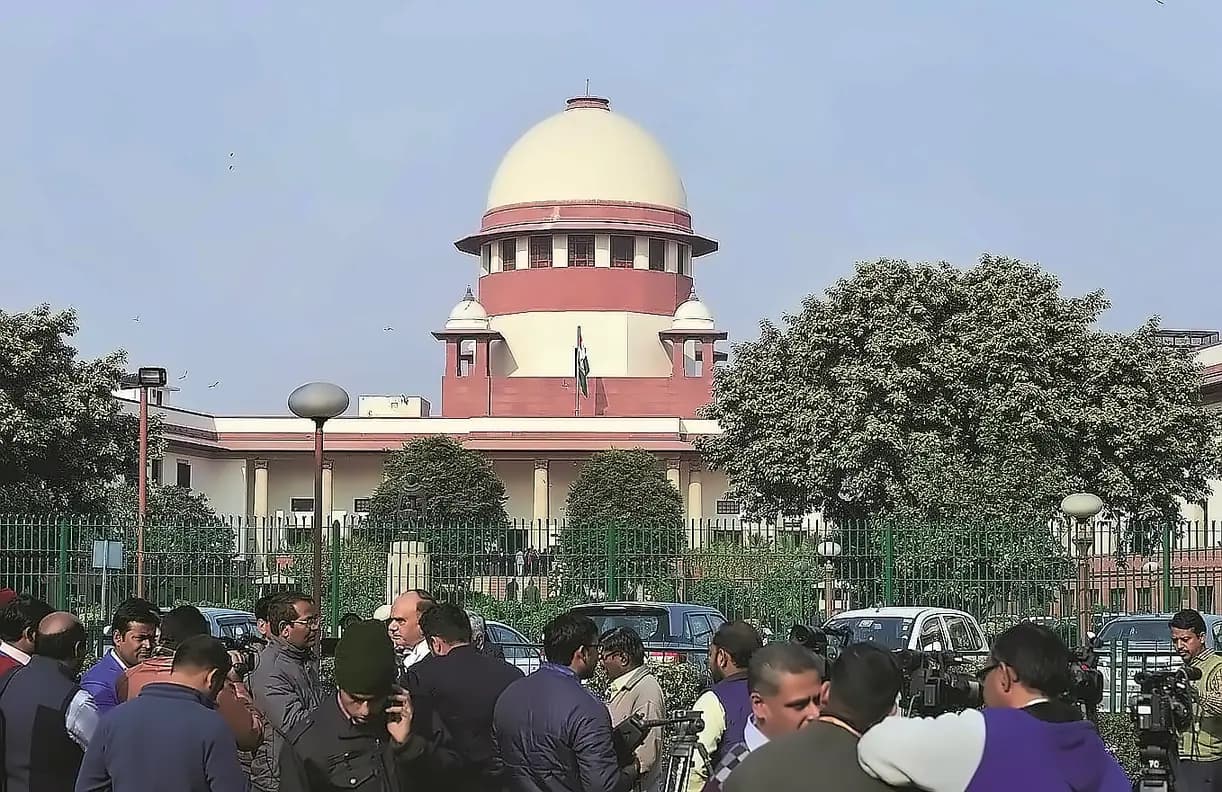
This case establishes significant precedents. The Supreme Court is directly and continuously monitoring the CBI investigation, setting a new standard for high-profile financial crime cases. It serves as a test of India's ability to investigate and prosecute large-scale white-collar financial crime involving influential business entities. The coordinated CBI-ED investigation model provides a template for future complex financial crime investigations.
The investigation may influence how India applies the Insolvency and Bankruptcy Code (IBC), debt recovery processes, and anti-fraud regulations in future large corporate default cases. It has already intensified scrutiny on how banks approved and monitored large corporate loans, risk assessment practices, auditing standards, and accountability of company management and financial institutions.
As the case unfolds, it will likely reshape corporate governance practices, banking supervision standards, and regulatory oversight mechanisms for years to come.