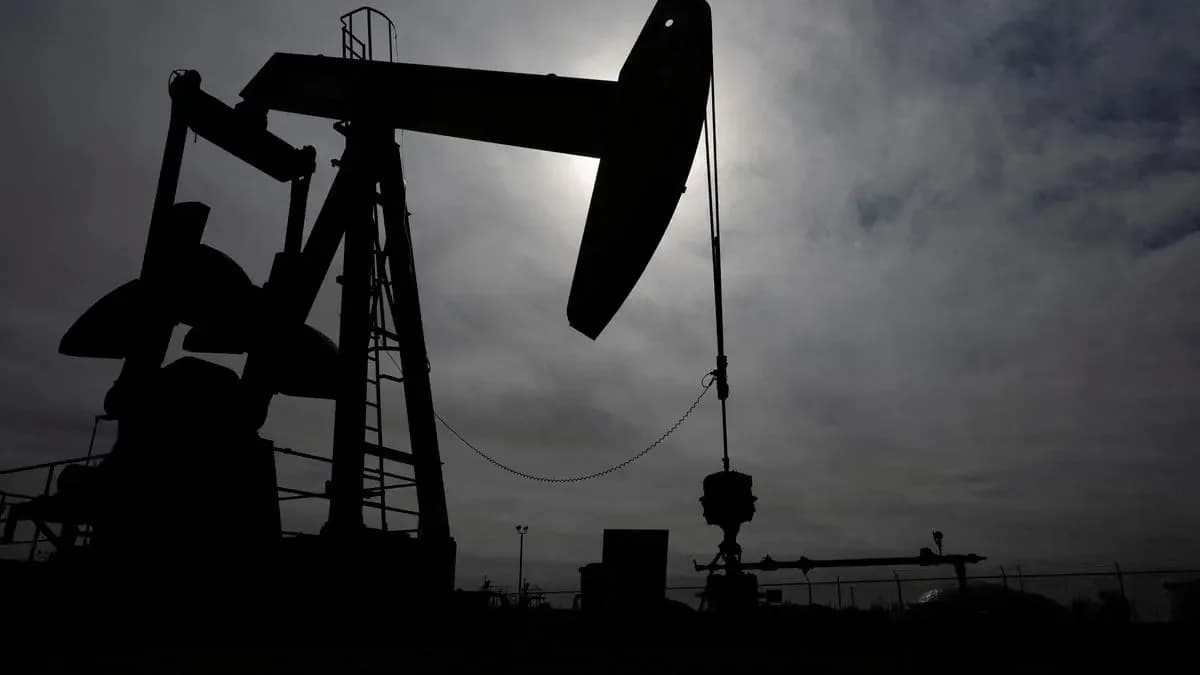
Oil markets have experienced a sharp reversal in recent weeks. Brent crude has fallen below $90 per barrel, dropping nearly $16 since the US midterm elections. The primary driver is a shift in sentiment around the Iran conflict. President Donald Trump has signaled that further military strikes against Iran are unlikely as diplomatic negotiations continue. This has prompted traders to rapidly reassess the geopolitical risk premium that had been baked into prices, particularly for Brent, the international benchmark more sensitive to seaborne supply risks.
The impact is visible in the futures market. The spread between Brent and West Texas Intermediate (WTI) has narrowed significantly, with Brent falling faster than its US counterpart. This contraction reflects a reduced premium for seaborne crude, as fears of a major escalation in the Persian Gulf ease. However, analysts caution that a comprehensive agreement between Washington and Tehran has yet to materialize. The risk premium has not vanished; it has merely been repriced downward based on the current probability of peace.
The Tanker Market’s Persistent Fear
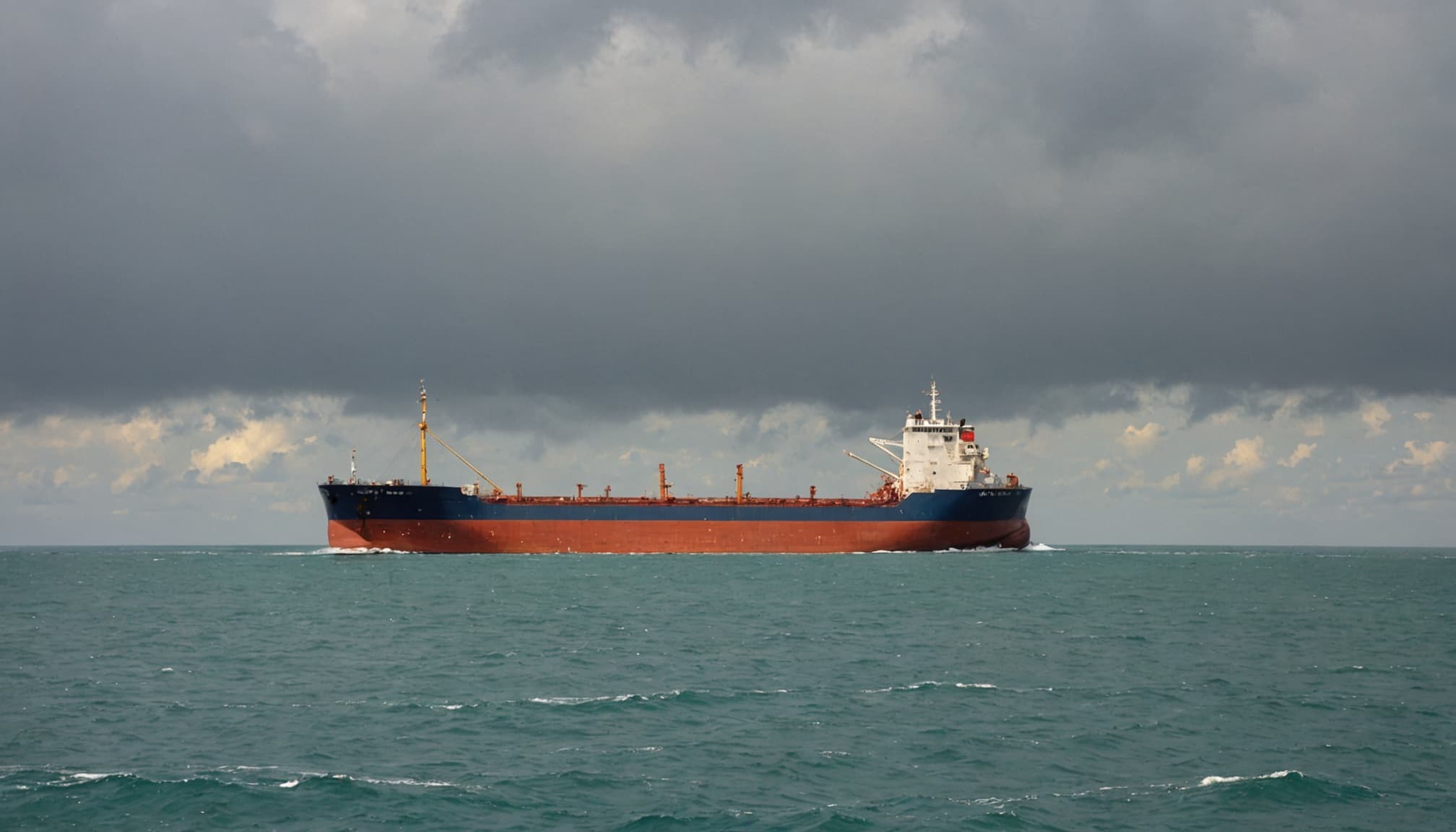
While crude prices slide, the cost of moving that oil tells a different story. Freight rates for Very Large Crude Carriers (VLCCs) from the Persian Gulf to Asia remain elevated, hovering around $36–37 per barrel. This creates a puzzling disconnect: if the oil market believes the war is effectively over, why are shippers still charging war-time premiums?.
The answer lies in the daily reality of the Strait of Hormuz. Diplomatic talks in Doha or Washington do not stop drones. Iranian forces have struck at least 16 tankers in the strait this month alone. These attacks, often using low-cost drones, have become a near-daily occurrence. For shipowners and insurers, the risk is immediate and tangible. They are pricing based on the danger of the voyage, not the optimism of a peace deal.
This divergence suggests that while the paper market is pricing in de-escalation, the physical market is still paying for conflict.
Corporate Strategy: Consolidation and Diversification
Amid this volatile backdrop, energy companies are executing distinct strategic pivots. In Canada, Strathcona Resources is moving to acquire Greenfire Resources in a deal valued at up to C$2.9 billion. This consolidation play creates Canada’s fourth-largest steam-assisted gravity drainage (SAGD) operator. The rationale is not a bet on higher prices but on scale and efficiency. The combined entity expects to generate C$75 million in annual synergies and utilize significant tax pools to push cash tax payments into the next decade.
Conversely, QatarEnergy is looking outward. Its agreement to buy a 25% stake in a Chevron-operated exploration block off Namibia represents a strategic hedge. By expanding its footprint in Africa, Qatar diversifies its upstream portfolio away from the geopolitical chokepoints of the Middle East. It is a long-term move to secure future growth avenues outside the volatile Persian Gulf.
In the downstream sector, BP is simplifying. The company sold its 49.9% stake in its Indonesian fuel retail joint venture, BP-AKR, for $14.2 million. The exit comes as Indonesia’s government tightened fuel import rules, forcing private retailers to rely more on state-owned Pertamina for supply. For BP, the small venture was no longer worth the regulatory friction, allowing it to focus capital on larger, core assets.
The Venezuela Gambit and the US Shale Response
Perhaps the most striking corporate move is ExxonMobil’s preliminary agreement with Venezuela’s state-owned PDVSA. Exxon signed a non-binding memorandum of understanding to evaluate upstream opportunities, potentially marking a return to the country nearly two decades after its assets were expropriated. The company is reportedly interested in the Petromonagas upgrader, a facility it previously operated, which is crucial for converting Venezuela’s extra-heavy crude into exportable grades. This is a high-risk, high-reward bet. Exxon has made it clear that any investment depends on stable regulations, strong legal protections, and competitive returns.
Back in the United States, the shale sector is showing signs of life. The Baker Hughes rig count has climbed to 604, the highest level since May 2024. The Permian Basin, the heart of US shale production, has added rigs year-over-year. This activity reflects a cautious confidence. Producers are not drilling blindly into a falling market; they are capitalizing on the price levels that prevailed for much of the year and the efficiency gains that make drilling profitable even at lower prices.
Regional Energy Crises: From Iraq to Japan
Geopolitical tensions are not just about oil prices; they are directly impacting energy security on the ground. A drone attack on the Khor Mor gas field in Iraqi Kurdistan has triggered a regional energy emergency. The strike halted production, cutting off the primary fuel source for power plants in the region. The result was a blackout affecting over 70% of the Kurdish population, with 2,500–2,800 megawatts of generation capacity knocked offline. The attack also hit a storage facility for cooking gas, threatening household fuel supplies.
In South Asia, Bangladesh is grappling with a different kind of vulnerability. The country is planning three new LNG terminals—one FSRU and two onshore—to bolster its import capacity. The urgency follows repeated technical faults at its existing Moheshkhali FSRU, which temporarily cut national gas supply by 450 million cubic feet per day. With domestic gas production in decline, Bangladesh is racing to secure reliable imports to fuel its economy.
South Korea faces a dilemma between its climate goals and energy security. The government has delayed the retirement of the Taean 2 coal power plant, originally slated for closure, until at least March 2028. The decision is a direct response to the energy crisis triggered by the Middle East conflict, which has made securing replacement natural gas capacity difficult and expensive. It is a pragmatic, if politically sensitive, move to keep the lights on during a period of global supply uncertainty.
Global Power Markets Under Strain
The stress in global energy systems is spilling over into electricity markets. In Europe, a weather phenomenon known as "Dunkelflaute"—a period of low wind and solar output—combined with high LNG prices has caused power prices to spike above €600 per megawatt-hour in peak periods. Gas-fired plants, which often set the marginal price of electricity, are running on expensive fuel. The incident highlights the structural challenges of integrating high levels of renewable energy without sufficient backup or storage.
Japan is facing a similar squeeze. The country’s spot power prices have surged to levels not seen since 2022, driven by soaring costs for imported LNG and coal. The situation is exacerbated by scheduled maintenance at power plants and constraints on the electricity grid. For Japanese utilities, the crisis forces a difficult balancing act between securing fuel for the winter and managing the financial impact on their retail businesses.
The Bigger Picture: Emissions and Demand
The global energy turmoil is having a paradoxical effect on emissions. The International Energy Agency (IEA) forecasts that global fossil fuel emissions could fall by around 0.5% in 2026. This would be the first drop in years, driven primarily by a significant decline in oil demand as high prices destroy consumption. Interestingly, this drop in oil emissions is expected to outweigh a projected 1.2% increase in coal demand, as some countries switch back to coal due to high gas prices.
China, the world’s largest oil importer, is at the center of this demand destruction. After months of drawing down its massive strategic stockpiles, the country is beginning to buy more crude again. This rebound is supporting a recovery in flows from key suppliers like Saudi Arabia and Iraq. However, the return of Chinese buying is a double-edged sword; it provides a floor for prices but also removes a bearish factor that had been keeping a lid on the market.
Conclusion
The global energy landscape is in a state of flux. Diplomatic efforts to end conflicts are reshaping price expectations, but the physical risks to supply chains remain acute. Companies are adapting through consolidation, diversification, and a return to familiar, albeit risky, hunting grounds. Meanwhile, power markets from Europe to Asia are revealing the cracks in systems under stress. The common thread is the tension between the desire for stability and the reality of a volatile, geopolitically charged world. As winter approaches, the true test of these strategies and systems will begin.