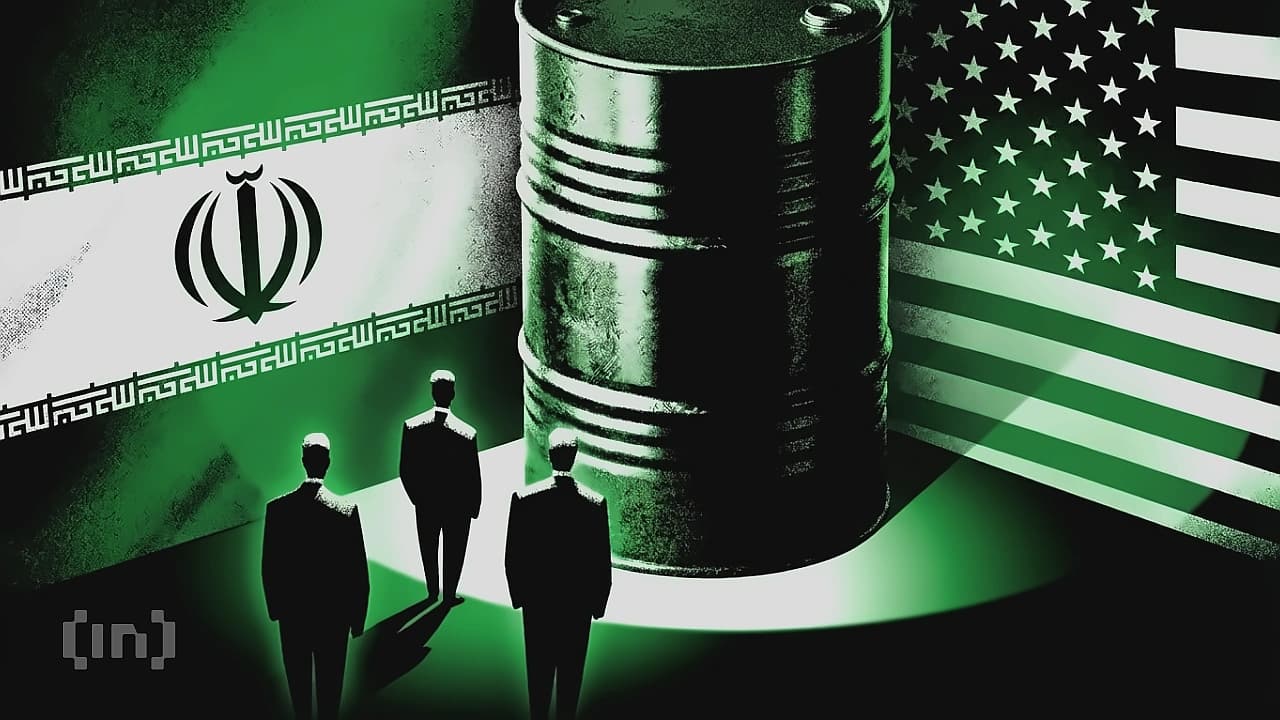
Oil prices fell sharply as U.S. President Donald Trump confirmed the completion of an agreement with Iran that would reopen the Strait of Hormuz, a key route for global crude shipments. WTI crude futures for July delivery dropped 4.39% to $81.15 a barrel in Tokyo, while Brent crude futures for August delivery fell 4.1% to $83.75 a barrel. Trump announced on Truth Social that "The Deal with the Islamic Republic of Iran is now complete," stating that "Hormuz would reopen without a toll system and the United States would end its naval blockade of Iran." "I hereby fully authorize the toll free opening of the Strait of Hormuz, and, simultaneously herewith, authorize the immediate removal of the United States Naval blockade. Ships of the World, start your engines. Let the oil flow!" The waterway would reopen on Friday, the same day officials are expected to sign a formal agreement in Switzerland. Iran's Deputy Foreign Minister Kazem Gharibabadi confirmed that an agreement had been reached, but said the text would only be released after the signing ceremony in Switzerland. U.S. Vice President JD Vance said he "certainly" planned to attend the event and that Trump could also participate.
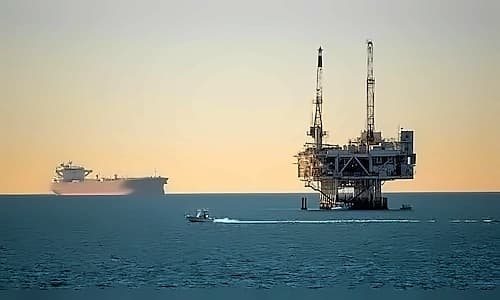
The Strait of Hormuz handled about one-fifth of global oil supplies before tanker traffic dropped sharply in early March following Iranian attacks, creating what has been described as the largest interruption to oil supplies on record. The disruption created significant challenges for oil exporters in the Persian Gulf and the global shipping industry. The reopening would provide relief for oil exporters in the Persian Gulf and for the global shipping industry, although challenges remain before normal traffic can resume. These include mine-clearing operations and questions over how Iran intends to manage vessel movements through the passage. Pakistan Prime Minister Shehbaz Sharif said on Sunday that the United States and Iran had agreed to an immediate and permanent end to military operations across all fronts, including Lebanon. Sharif has acted as a mediator between the two countries and said mediators would hold meetings this week ahead of technical discussions and the official signing ceremony.
Oil prices plunged more than 4% on Monday (June 15, 2026) after the United States and Iran announced they had reached a peace agreement to end months of war that had roiled energy markets. Meanwhile, Japan's Nikkei 225 index jumped 4.99% and South Korea's benchmark Kospi index soared 5.54% following the announcement. "This is a first step deal, not a final peace settlement," said Stephen Innes of SPI Asset Management. "The market will now trade verification," he added, including the official signing in Switzerland, mine clearance and Israeli restraint. "It is a marketable ceasefire framework that kicks the hard problems down the road. Iranian compliance, and Hezbollah quiet." Oil marketing companies (OMCs) emerged as the biggest beneficiaries of the crude price decline, with shares surging significantly as investors focused on lower oil prices improving marketing margins. European natural gas futures also tumbled, slumping as much as 5.8% following the oil price decline.
Countries such as Saudi Arabia and United Arab Emirates, where there are alternate pipelines or routes besides the Strait of Hormuz to deliver oil, may be among the quickest to resume production, according to Alan Gelder, senior vice president of refining, chemicals and oil markets at Wood Mackenzie. "But places like Iraq could be much more challenged because they've had a much bigger shut-in, their fields are more difficult ... it may well take about a year before they get back," Gelder said. Investment in the energy system, which can take years to see the results, ground to a halt after the strait's closure, so it will take time for this capital to restart. Countries that shut in oil production won't want to restart until they know there is a stable, durable strait, and that a ceasefire will last more than 30 or 60 days, said Daniel Sternoff, senior fellow at the Center on Global Energy Policy at Columbia University.