The Freight Cost Explosion Squeezing Asian Refiners
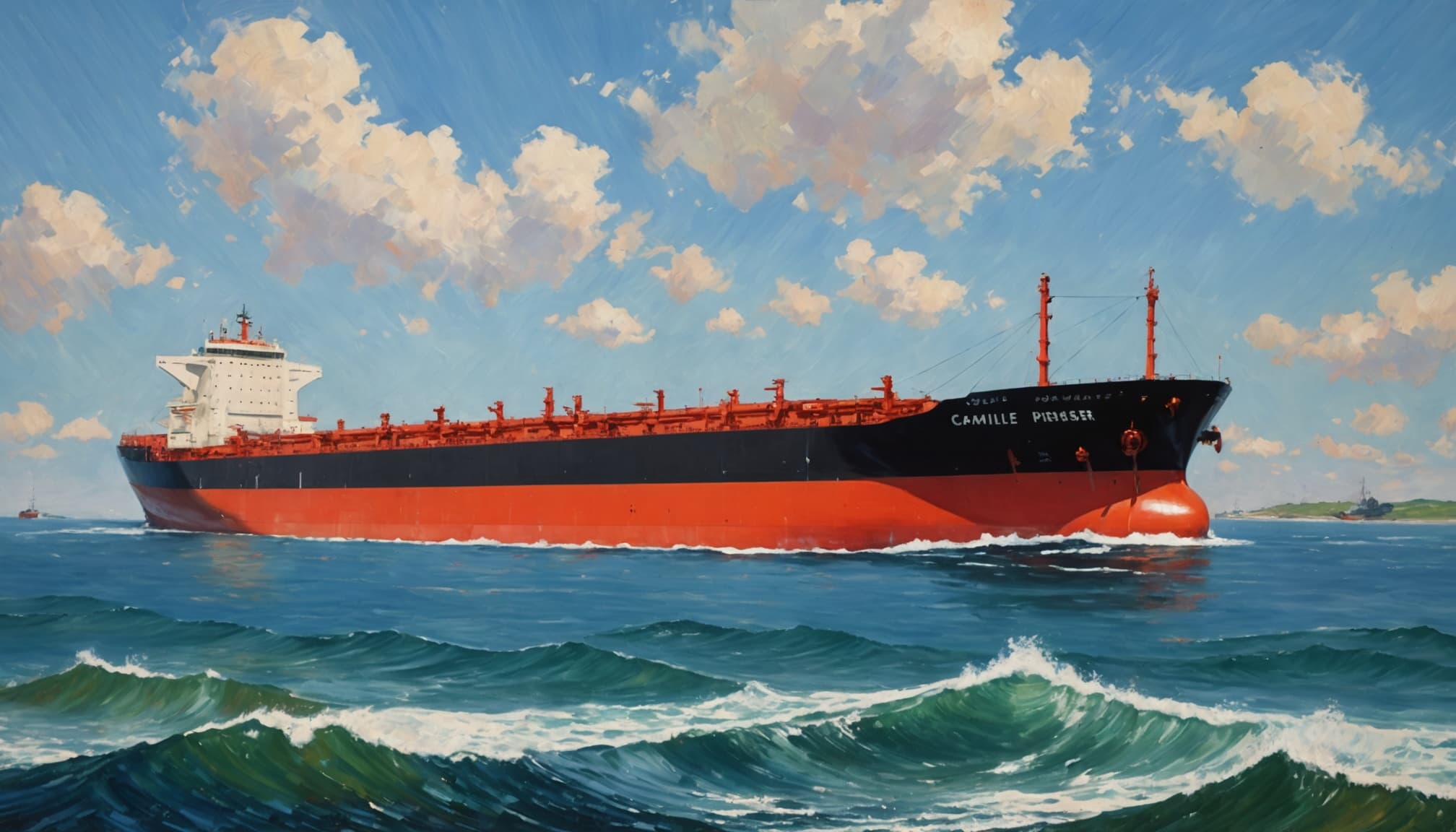
This represents nearly a tenfold increase from pre-conflict levels and is fundamentally altering the economics of Asian refining. The surge has driven freight costs from a manageable 5-6% of total crude delivery costs to a staggering 25%, directly eroding the profit margins of refiners across the region. For Chinese refiners importing Brazilian crude, the impact is particularly acute. The longer voyage distances combined with record rates mean transportation expenses are consuming a massive slice of the refining spread, forcing many to reconsider their procurement strategies or face compressed earnings.
This freight shock is driving a significant operational shift among Chinese refiners. Facing scarce and expensive VLCCs, many are switching to smaller Suezmax vessels for long-distance voyages. While this offers some flexibility in a tight market, it comes with a cost penalty. Suezmaxes typically have higher per-barrel transportation costs than VLCCs due to lost economies of scale. The vessel size change therefore impacts refining economics by increasing the landed cost of crude, further narrowing margins that are already under pressure from high product prices and demand uncertainty.
Saudi Pipeline Repairs and the Oil Price Balancing Act
Saudi Aramco is racing against time to restore its East-West Pipeline, which was damaged in drone attacks. The company is targeting a partial restart at roughly half capacity within days, but full restoration of the pre-attack flow of 4 million b/d is expected to take six to eight weeks. This creates a significant export gap during the repair period, as the pipeline had been Saudi Arabia's primary alternative route for exporting crude while the Strait of Hormuz remains constrained. The inability to maintain its full 7 million b/d export capacity forces the kingdom to draw down strategic storage and potentially declare supply shortfalls to key customers.
The restoration of the 4 million b/d flow is critical for Saudi Aramco's revenue and market share. The pipeline had become the main outlet for Saudi crude, with exports from Yanbu surging to roughly 4 million b/d. Losing this capacity not only hits immediate sales but also jeopardizes long-term contracts with European and Asian buyers who may seek alternative suppliers if disruptions persist. The ongoing repairs also severely limit Saudi Arabia's ability to bypass the Strait of Hormuz and mitigate geopolitical shipping risks, leaving the kingdom exposed on multiple fronts.
The pipeline's operational status has a direct causal relationship with Brent futures prices. When the pipeline was shut down, oil prices broke above $100 per barrel. Conversely, news of a potential partial restart has caused prices to slide toward $100. As long as the pipeline operates at reduced capacity, oil prices are unlikely to see sustained declines, as the market prices in the loss of 4% of global oil supply and the erosion of supply buffers.
Strategic Investments in a Volatile Market
Major energy players are making strategic moves to navigate the volatile landscape.
By owning its own fleet, Trafigura secures capacity for its trading operations and reduces exposure to spot market volatility.
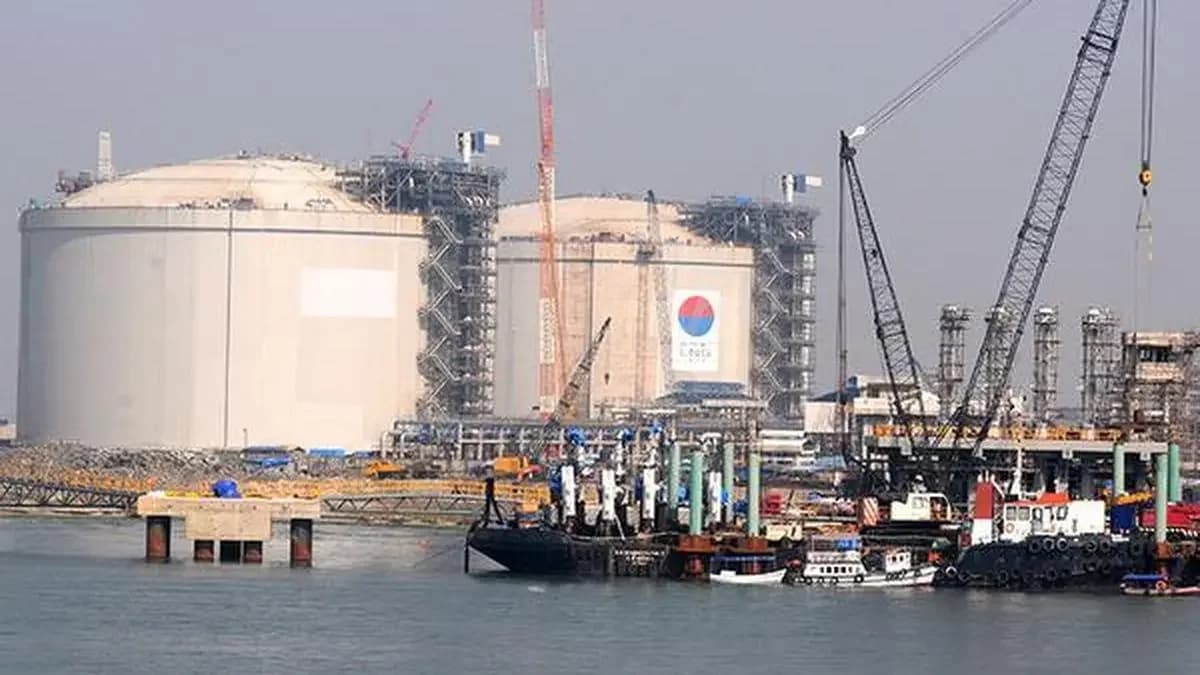
In the LNG sector, Apollo Global Management is exploring the sale of Energos Infrastructure's 13 floating LNG vessels at a $3 billion valuation. ADNOC's potential 50% stake acquisition reflects a strategic priority to build an integrated global gas and LNG business, adding flexible import infrastructure to its portfolio. TotalEnergies secured $1.8 billion from BlackRock for African oil and gas projects, to be repaid as throughput-based tariffs over 15 years. This structure monetizes midstream infrastructure assets while maintaining operational control and providing long-term cash flow visibility.
Japan's Osaka Gas acquired a 5% stake in BP's Browse gas project, securing 0.55 mtpa of LNG supply. This move strengthens Japan's energy security by diversifying supply sources away from the Middle East amid regional conflicts, ensuring long-term contracted volumes from politically stable Australia.
Geopolitical Disruptions and Supply Shocks
Multiple geopolitical flashpoints are creating simultaneous supply shocks. Houthi control of Bab el-Mandeb, including the capture of Perim Island, has fundamentally altered regional maritime security. The absence of robust US military intervention stems from resource strain and the difficulty of eliminating Houthi capacity without significant escalation. This has forced Saudi Arabia to confront the reality that both its eastern and western export routes are compromised, while shipping insurance premiums for Red Sea transits have surged from 0.1% to 0.7-1.0% of ship value.
The project, involving four mega-trains with 33 mtpa capacity, was 85% complete before the US-Iran conflict forced a suspension of work. This delays Qatar's $83 billion expansion strategy and keeps global gas markets tighter for longer. Meanwhile, Ukraine's drone strike on Russia's 230,000 b/d Moscow refinery has halted crude processing, with repairs expected to take weeks. This disrupts domestic fuel supplies for the Moscow region and may force Russia to cut product exports to maintain domestic market stability.
In Libya, the El Sharara oil field has shut down 65% of its 340,000 b/d output due to tribal disputes. This removes roughly one-third of Libya's total production and complicates OPEC's production management. The disruption comes as Brent trades above $100 per barrel, adding to wider supply concerns and highlighting the persistent vulnerability of Libya's oil infrastructure to political instability.
Infrastructure Bottlenecks and Energy Security Challenges
Infrastructure constraints are compounding supply chain disruptions across continents. Critically low Rhine River water levels at the Kaub chokepoint, forecast at 6 cm, are disrupting diesel deliveries to Germany. Standard barges are being forced to stop or operate at 10-20% of normal payload, creating logistics crises for European refineries ahead of winter demand. This disruption comes as heating oil demand is rising, with the potential to support refining margins even as operational challenges mount.
This sends strong pricing signals to gas suppliers about the urgency of securing winter supply. The tenders indicate that Germany will be an active buyer in forward markets, potentially supporting price levels for winter and spring deliveries as the country risks gas shortages if temperatures turn colder than expected.
India faces a dual challenge of coal shortages and energy transition pressures. Approximately 40% of India's 74 power plants are operating with critically low coal inventories. This crisis impacts ONGC's gas discovery in the Mahanadi Basin, as the immediate power shortages force greater reliance on coal despite the long-term potential of domestic gas production. The situation is exacerbated by counter-seasonal heat and a weak monsoon, which have driven September power demand to record levels. The causal link is clear: deficient rainfall reduces hydro generation and increases irrigation demand, simultaneously pushing up agricultural pumping load and air conditioning requirements, forcing greater reliance on coal-fired thermal plants.
New Discoveries and Long-Term Supply Implications
Amid the tightness, new discoveries offer hope for long-term supply security.
The discovery provides an opportunity to diversify beyond mature pre-salt assets and requires new infrastructure investment, potentially including dedicated FPSOs. While the crude quality specifications are not yet released, geological similarities with Guyana and Suriname suggest potential for light, sweet crude that could command premium pricing.
ONGC's gas discovery at the MDW-28 well in the Mahanadi Basin is strategically important for India's domestic gas production and import substitution goals. India imports nearly half of its fossil gas requirements, making any commercially viable domestic discovery critical for energy security. The discovery, along with other finds in the area, opens potential for cluster development through shared facilities, with early monetization feasible given the well's proximity to the coast.
However, the implications of these new discoveries for global supply growth are limited in the near term. Both projects require several years of appraisal, development, and infrastructure construction before contributing to supply. They provide important signals about future supply potential and contribute to diversification, but do not address immediate market tightness. In an environment of elevated freight costs and geopolitical constraints, these discoveries represent long-term investments in supply security rather than short-term solutions to the current crisis.