Maruti Suzuki is making a bold bet on India's ethanol future.
This isn't just a product launch; it's a strategic move to capture leadership in what could become a significant segment of India's green mobility transition.
The company targets 25% of domestic sales from ethanol-blended vehicles by FY 2030-31, split between flex-fuel vehicles and E20-compatible internal combustion engines.
Maruti's early entry gives it a crucial head start in building brand recognition and consumer trust around ethanol technology. AnnualReports
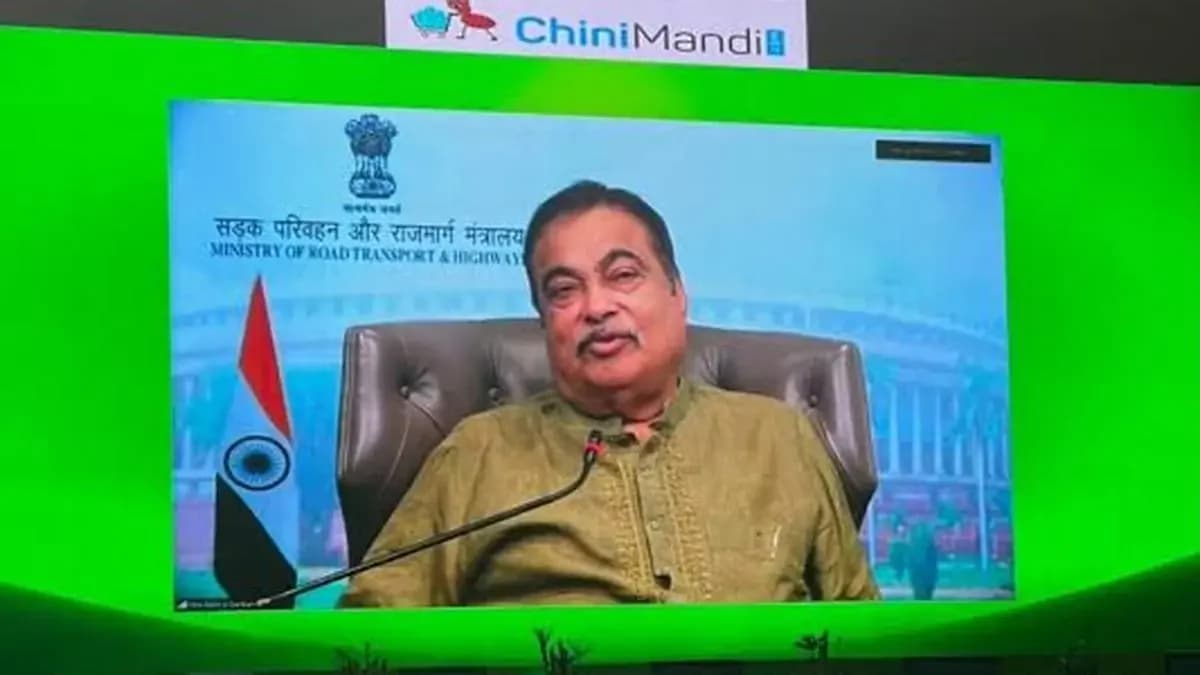
The timing is deliberate. By launching on World Environment Day with Union Ministers Nitin Gadkari and Hardeep Singh Puri in attendance, Maruti aligns itself with government priorities on energy security and farmer income. This isn't just about selling cars—it's about positioning the company as a partner in India's decarbonization journey.
The Cost Challenge
Flex-fuel technology doesn't come cheap. The incremental manufacturing costs are substantial: redesigned injectors, fortified fuel lines, corrosion-resistant components, advanced fuel pumps, and sophisticated ECU systems with ethanol sensors. That's roughly ₹28,000-45,000 per vehicle in additional costs, translating to a ₹50,000-70,000 retail premium over standard petrol models.
These costs create both challenges and opportunities. On one hand, the premium could deter price-sensitive buyers in a market where per capita income was only $2,122 in 2021. On the other, if Maruti can successfully position flex-fuel as a premium green technology, it could expand margins beyond traditional petrol vehicles.
The company's strategy appears to be conservative initially.
This phased approach allows Maruti to scale production based on infrastructure development and consumer adoption, minimizing inventory risk while building the market gradually.
Infrastructure Dependency
The biggest constraint isn't technology—it's fuel availability.
That's less than 0.5% of retail fuel sales, creating a classic chicken-and-egg problem: no fuel stations without vehicles, no vehicles without fuel stations.
The government's plan to establish 5,000 E100 stations within 24 months changes the equation. The rollout will happen in phases: 150 stations in Delhi, Mumbai, Pune, and Nagpur initially; 500 stations within 6-12 months expanding to Bengaluru, Chennai, Kolkata, and Hyderabad; and 5,000 stations nationwide within two years.
Maruti's production strategy is tightly linked to this infrastructure timeline. Initial volumes of 10,000-25,000 units annually will be concentrated in regions with E100 availability. As the network expands, production will scale to 50,000-100,000 units, eventually reaching 300,000+ units annually when infrastructure matures. This infrastructure-dependent approach minimizes inventory costs while ensuring vehicles are only sold where fuel is available.
The Policy Advantage
Government support could be the game-changer. Currently, flex-fuel vehicles attract the same 18-40% GST as conventional vehicles, while electric vehicles enjoy just 5%. But the industry is pushing for tax parity, and if approved, flex-fuel vehicles could see GST reduced to 5%, matching EVs.
This would dramatically improve the economics. A ₹10 lakh petrol car currently attracts ₹1.2 lakh in GST, while an EV pays just ₹50,000. If flex-fuel gets the same treatment, the ₹50,000-70,000 technology premium becomes much more palatable for consumers.
Minister Gadkari's advocacy has already accelerated regulatory approvals. The government has included flex-fuel engine components in the PLI scheme for advanced automotive technology, providing incentives for six key components including BS6 compliant flex-fuel engines, heated fuel rails, and ethanol sensors. This support reduces R&D costs and speeds up certification processes.
The Environmental Case
The environmental credentials are compelling. Flex-fuel vehicles running on E100 deliver approximately 79% lower carbon emissions compared to gasoline vehicles. That's not just tailpipe emissions—the biogenic carbon cycle means CO₂ released during combustion is offset by CO₂ absorbed during crop growth. AnnualReports +1
The lifecycle analysis is favorable too. While battery electric vehicles in India achieve 14-38% lower lifecycle emissions than petrol vehicles (due to the coal-heavy grid), flex-fuel vehicles achieve 64-75% reduction. The difference comes from manufacturing: EVs have higher upfront emissions from battery production, while flex-fuel vehicles leverage existing manufacturing infrastructure with modest modifications.
The air quality benefits are immediate. Ethanol blends reduce carbon monoxide emissions by 22%, nitrogen oxides by 8%, and particulate matter significantly. For cities grappling with severe air pollution, this isn't just about climate change—it's about public health.
The Economic Ripple Effect
The economic impact extends far beyond Maruti's balance sheet. India's ethanol blending program has already saved ₹1.44-1.59 lakh crore in foreign exchange since 2014, with projections of ₹43,000 crore annually at 20% blending. At higher blend levels enabled by flex-fuel vehicles, these savings could multiply dramatically.
The rural economic multiplier effect is substantial. The program has paid ₹1.25-1.40 lakh crore directly to farmers since 2014, with projections of ₹40,000 crore annually at 20% blending. Farmers become both "Annadata" (food providers) and "Urjadata" (energy providers), creating stable demand for sugarcane, corn, and agricultural waste.
For oil marketing companies, the transition presents both challenges and opportunities. Currently facing losses of ₹1,000-1,200 crore daily due to under-recoveries on petrol, diesel, and LPG, ethanol blending offers a path to reduced import dependency and cost optimization. The business model transformation from traditional fuel retailing to comprehensive energy services will be gradual but inevitable.
The Strategic Horizon
Maruti's flex-fuel launch isn't just about one vehicle—it's about positioning for India's energy transition.
This diversified approach recognizes that sustainable mobility requires different solutions for different contexts. AnnualReports
The 6-7 year payback period for flex-fuel investments aligns with India's ethanol infrastructure development timeline. Success will depend on execution speed, consumer acceptance, and continued policy support. But if the pieces fall into place, Maruti's first-mover advantage could translate into significant market share gains and strengthened leadership in India's evolving automotive landscape.
The company isn't just launching a car—it's helping build an ecosystem. From agricultural supply chains to fuel infrastructure to consumer education, Maruti is positioning itself as the architect of India's ethanol transition. That's a bold strategy with risks, but potentially transformative rewards.