Maruti Suzuki shares surged as much as 4% to their day's high of ₹13,959 on the BSE on Monday following the government's approval of legal recognition for 100% ethanol blend fuel (E100). According to The Economic Times, this regulatory clearance positions Maruti as a direct beneficiary of the policy shift, with the company's flex-fuel Wagon R launch marking a significant milestone in India's energy transition. Managing Director and CEO Hisashi Takeuchi described the flex-fuel Wagon R as more than just a new vehicle launch, saying it marked "a new chapter in India's energy journey." The stock rally reflects investor confidence in the government's commitment to reducing India's dependence on imported fossil fuels through domestic ethanol production.
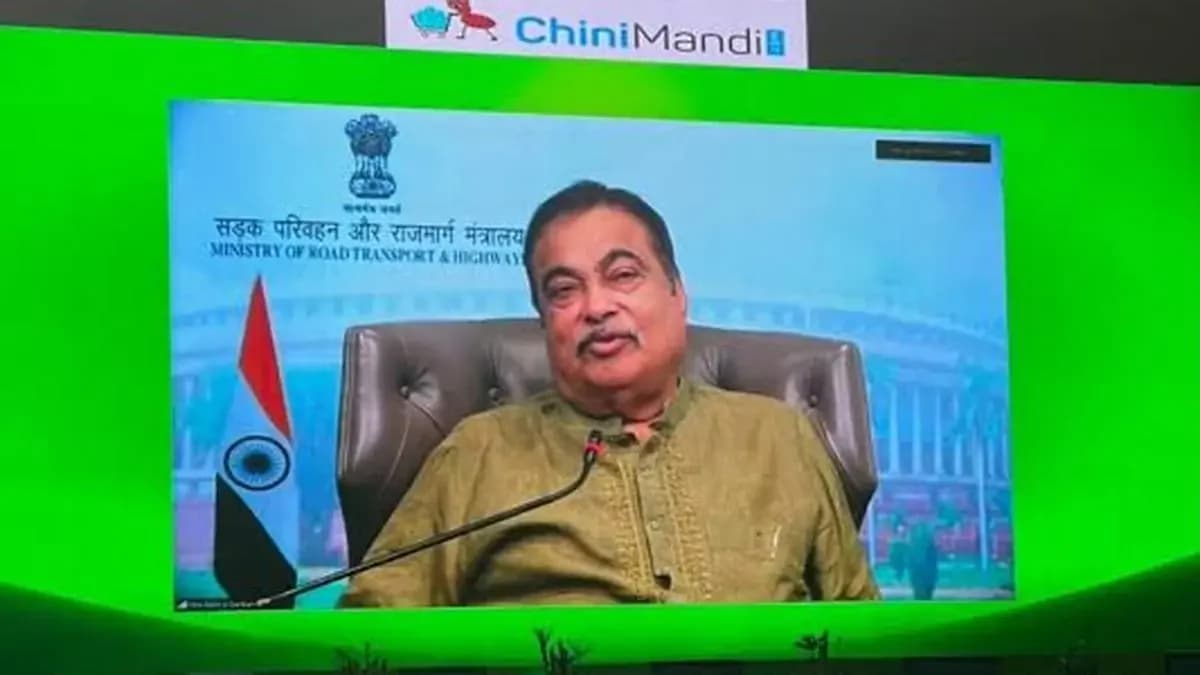
India has formally cleared the regulatory framework for the use of 100% ethanol (E100) as a vehicular fuel, marking a significant step beyond the country's existing ethanol-blending programme. According to reports from Aaj Tak, Union Road Transport and Highways Minister Nitin Gadkari signed the regulations on Saturday evening, creating a legal framework for automakers, fuel retailers and testing agencies to begin commercial deployment of pure ethanol-powered mobility solutions. Speaking at an event in Nagpur marking 12 years of the NDA government, Gadkari said, "The regulatory framework required for the legal use of 100 per cent ethanol fuel had been finalised. I signed the relevant file on Saturday evening, paving the way for E100 fuel to enter the Indian market." The approval was announced during the Sugar, Ethanol & Bio-Energy India Conference in Nagpur, with Gadkari stating he signed the file at 8 pm on Saturday.
The regulatory clearance enables vehicles designed to run entirely on ethanol, opening a new technology route alongside electric, CNG, hybrid, and hydrogen-powered mobility. As reported by Aaj Tak, Maruti Suzuki has already showcased a flex-fuel version of its popular WagonR, with the vehicle initially aimed at fleet operators and later becoming available to private buyers as the ecosystem develops. Hyundai, Toyota, MG Motor and Maruti Suzuki are expected to bring ethanol-compatible models to the market in the coming months. Gadkari confirmed that Toyota, Suzuki, MG and Hyundai are preparing to launch 100% ethanol-compatible vehicles within the next month and a half. Under current Indian regulations, the Maruti Suzuki WagonR has been approved for use with E85 fuel, with the vehicle designed to run on ethanol-petrol blends ranging from E20 to E100. These vehicles are equipped with specialized engines capable of automatically adjusting to different blends of petrol and alcohol, with the flex-fuel ecosystem expected to expand rapidly after E85, a fuel blend containing up to 85% ethanol, was identified as the mono-fuel standard under Bureau of Indian Standards specifications.
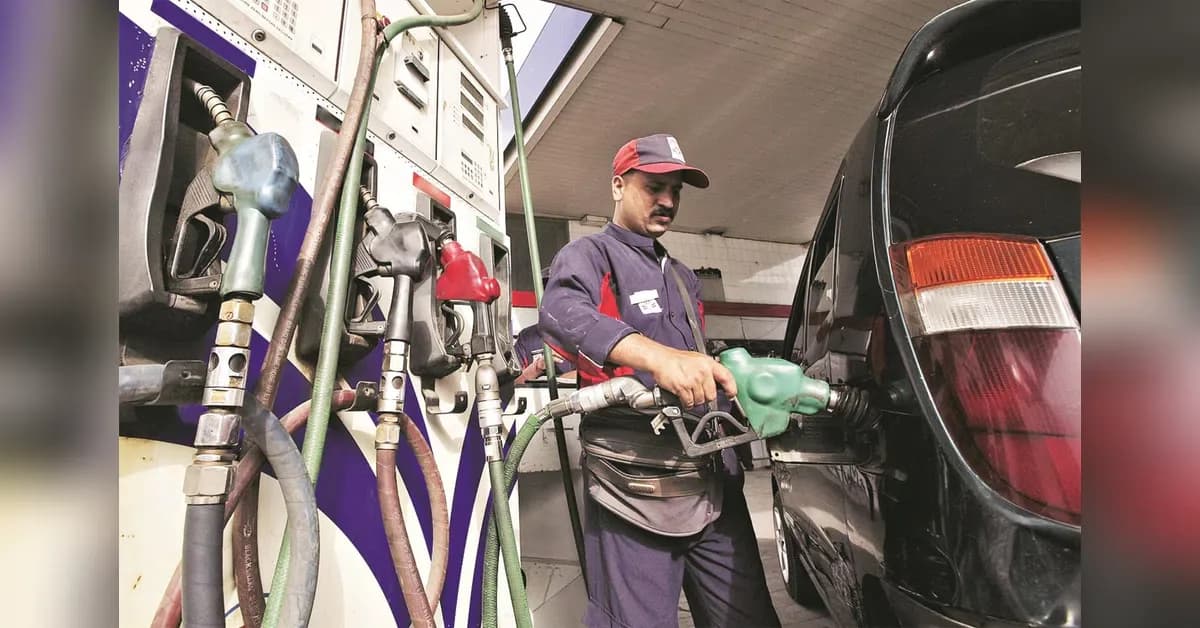
The government has committed to setting up approximately 5,000 dedicated E100 dispensing stations across the country over the next two years. According to NGS India, the Ministry of Petroleum and Natural Gas, alongside state-run oil marketing companies, is already laying down the physical infrastructure for an E100 future. To support rapid adoption, the government plans to roll out around 50-100 ethanol dispensing stations across the Delhi-NCR and Mumbai-Pune-Nagpur corridors in the initial phase, with the network expected to expand to 500 stations by December this year. These specialized stations will feature upgraded, corrosion-resistant tanks and pipes designed to safely handle pure ethanol. The transition won't happen overnight, as vehicles are only as good as the fuel they can access. While oil marketing companies are expected to gradually roll out dedicated E100 dispensing stations, storage and transportation systems may require upgrades due to ethanol's moisture-absorption properties and handling requirements. Vehicle homologation standards, emission certification protocols and fuel-distribution systems will also need to align with the new framework before large-scale adoption becomes possible.
The move is aimed at reducing India's dependence on imported oil, as the country imports more than 87% of its crude requirement. According to Aaj Tak, India currently spends around ₹22 trillion on fuel imports and the government aims to lower this burden through domestically produced alternatives. Speaking about India's reliance on fuel imports, Gadkari said ethanol would emerge as a "viable alternative to petrol" and help lower the country's import burden. By increasing the use of domestically produced ethanol, the government hopes to lower exposure to volatile global crude prices while creating additional demand for agricultural feedstocks and biofuel production. The policy provides an immense economic cushion for India's massive agricultural sector, particularly sugarcane farmers and grain producers. The surplus cultivation of sugarcane, corn, and damaged food grains will increasingly be diverted toward bio-refineries to produce second-generation ethanol. Officials have previously stated that the ethanol blending programme has already generated substantial economic benefits, with the initiative helping save more than ₹1 lakh crore in crude oil imports while providing farmers with nearly ₹80,000 crore in additional income. The decision comes after the US-Iran war exposed India's fuel dependence, with the conflict closing the Strait of Hormuz and pushing New Delhi to act on several fronts, including importing 630,000 tonnes of LPG in May from the US, which ran about 60% above the 380,000 tonnes from all Gulf states combined.
The minister's announcement comes days after the government exempted ethanol-petrol blends containing 22-30% ethanol from central excise duty, bringing them on par with E20 fuel, which is currently the standard blend available at retail fuel outlets. The government has also proposed amendments to the Central Motor Vehicles Rules to formally recognise E85 fuel and 100% ethanol fuel, laying the regulatory groundwork for wider adoption of alternative fuels in India. According to Aaj Tak, Petroleum and Natural Gas Minister Hardeep Singh Puri recently noted that India achieved its ethanol blending targets ahead of schedule, with blending levels rising from 1.5% in 2014 to 10% by November 2022 and reaching the 20% target years earlier than planned. Beyond ethanol, Gadkari outlined plans to expand the use of green hydrogen as a transport fuel, with a pilot project planned in Nagpur featuring a hydrogen refuelling station and two hydrogen-powered buses. "The public will be able to ride these hydrogen buses. That day is now near," Gadkari said, highlighting his long-standing advocacy for ethanol-based fuels despite initial skepticism and criticism.