The Maharashtra Food and Drug Administration (FDA) isn't messing around this festive season. In a statewide enforcement drive that concluded recently, officials seized approximately 3.53 lakh kg of food articles valued at Rs 9.01 crore from 114 establishments across seven divisions. The regulator suspended the licences and registrations of 19 food business operators, registered 13 FIRs, made 16 arrests, and sealed seven establishments between October 28 and 31. The action covered everything from namkeen and sweets to spices and edible oils, but two names grabbed headlines: Patanjali and Avenue Supermarts (DMart).
The Patanjali Ghee Seizure: Small Money, Big Noise
The headline-grabber was the seizure of 2,279.7 litres of Patanjali cow ghee worth Rs 20.20 lakh. The stock, comprising 4,032 units, was confiscated from M/s Divya Mahavitarak, a super distributor of Patanjali Ayurved in Chhatrapati Sambhajinagar, on suspicion of misbranding and adulteration. The FDA found the stock "prima facie" in violation of the Food Safety and Standards Act, 2006. However, it is crucial to note that these are allegations at this stage. Lab results are pending, and no final adjudication has been made.
The company's shares, trading around Rs 374.90, have actually risen about 8% over the past week, suggesting the market isn't panicking just yet. Transcript
DMart's Oil Haul and the Konkan Factor
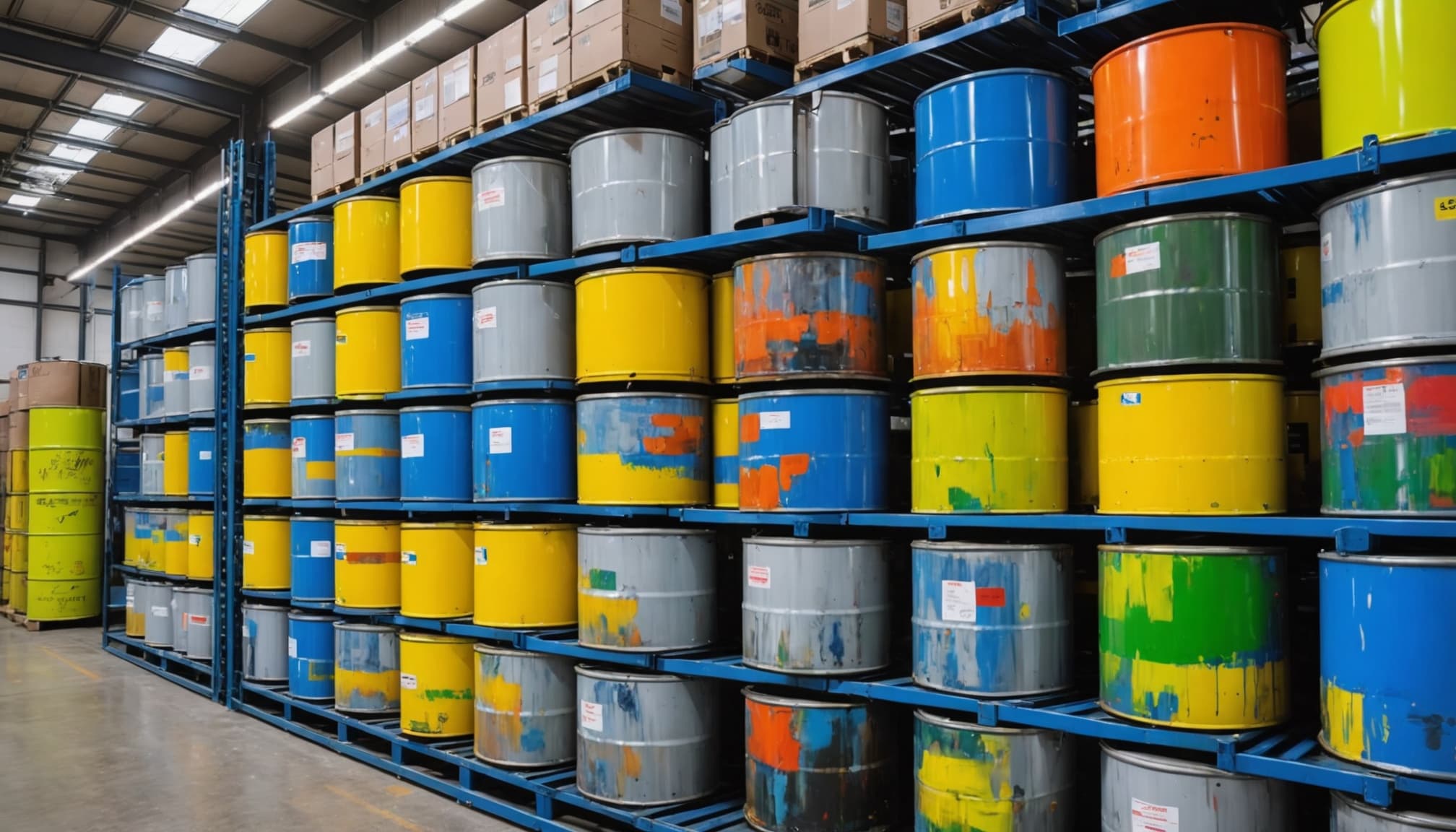
The other big seizure involved 1,44,218 kg of edible oil from Avenue Supermarts Ltd's facility in Bhiwandi. This was the largest single seizure of the entire drive and was a key reason the Konkan division recorded the highest value of seizures at Rs 5.27 crore. The FDA's statement doesn't specify the exact violation for this oil, but a separate report alleges that expired, damaged, and packaging-damaged food products worth Rs 28,504 were seized from DMart's Bhiwandi warehouses. The complaint alleges that mandatory disposal procedures, including videography and witness presence, were not followed, raising concerns that expired stock could re-enter the market. A case has been registered against five individuals, including managers and a whole-time director.
Why 19 Licences Were Suspended
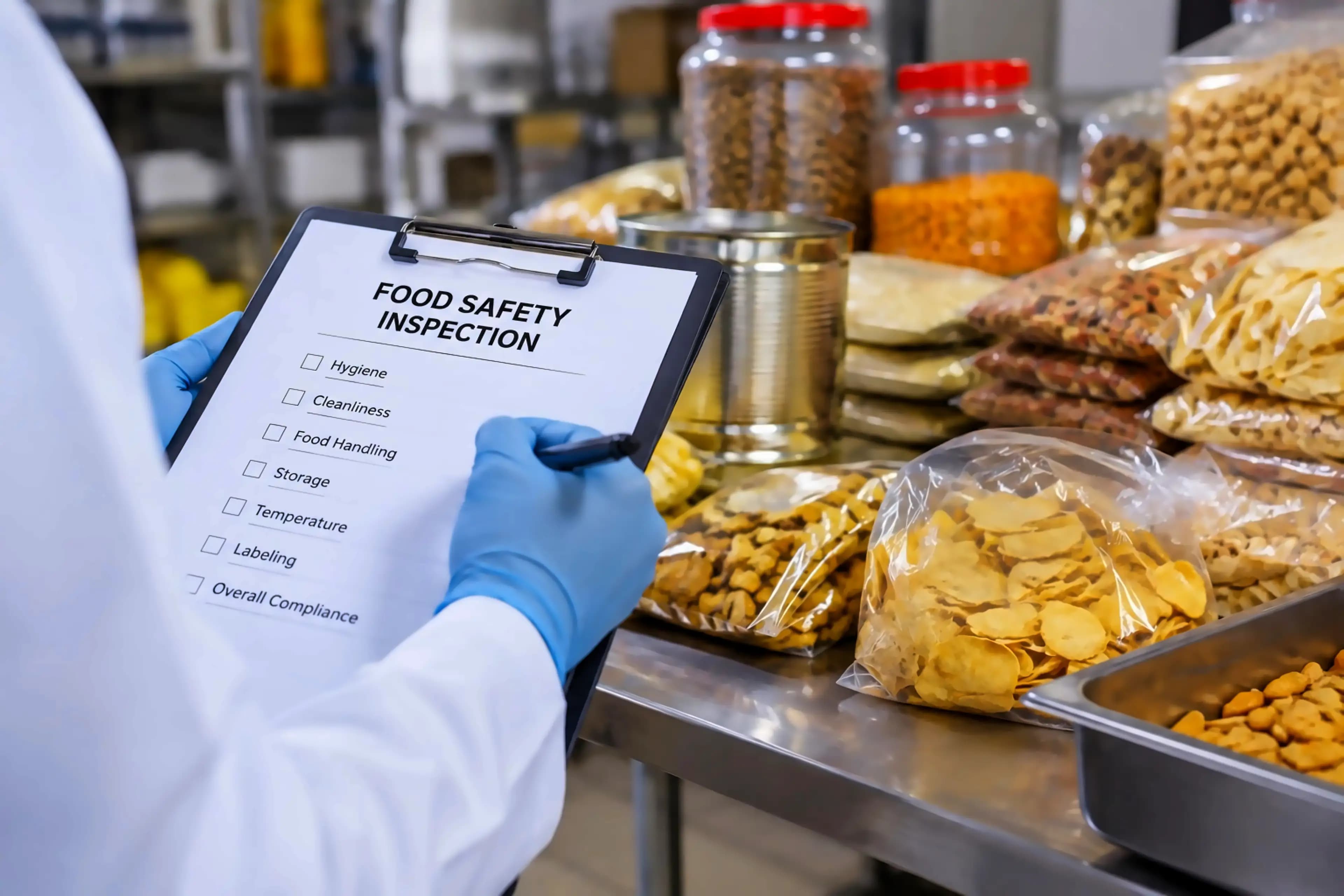
So, what exactly triggered the 19 licence suspensions? The FDA's inspections revealed serious hygiene and compliance lapses. The suspended operators included namkeen, sweetmeat, and spice manufacturing units in the Mumbai, Amravati, and Chhatrapati Sambhajinagar divisions. The violations were grim: insect and rodent infestation, unhygienic premises, uncovered food, improper storage, inadequate pest-control measures, and a lack of cleaning records. Many establishments failed to maintain mandatory documentation and didn't have medical fitness certificates for workers. These aren't minor paperwork issues; they are fundamental failures that put public health at risk. The FDA's action sends a clear message that basic hygiene is non-negotiable.
A Pattern of Intensifying Enforcement
This crackdown is part of a broader, intensifying pattern of enforcement. In August, the FDA suspended licences of 14 outlets linked to quick commerce platforms like Blinkit, Zepto, and Instamart over hygiene and storage violations. In October, it suspended licences of five warehouses belonging to Reliance Consumer Products, Reliance Retail, Zomato Hyperpure, and Blinkit, alleging that expired and rejected stock worth over Rs 48 lakh was being routed back into the market through dubious disposal channels. The regulator is clearly moving up the supply chain, targeting not just small retailers but also major distributors and warehouses. The inspection methodology is rigorous, covering storage, temperature control, pest control, personal hygiene, FIFO/FEFO practices, and documentation.
The Financial and Operational Toll
For the affected businesses, the financial impact goes beyond the value of the seized goods. The loss of inventory hits working capital, especially for smaller operators where a seizure of a few lakh rupees can be significant. Sealed premises and suspended licences mean a complete halt in trading, leading to lost sales and fixed costs piling up. Legal costs and potential penalties add to the burden. For larger players like Patanjali and DMart, the direct financial hit is negligible, but the indirect costs—reputational risk, management distraction, and potential compliance overhauls—are harder to quantify. Patanjali, in particular, faces a trust challenge in the ghee category, which is highly sensitive to quality perceptions.
Compliance as the New Competitive Edge
The competitive landscape is shifting under regulatory pressure. DMart's seizure is notable, but it's not being singled out. Reliance Retail, Blinkit, and Zepto have all faced similar actions. This suggests a level playing field where compliance is becoming a competitive differentiator. Companies with robust quality assurance, in-house testing, and strong distributor oversight are likely to gain an edge over smaller, unorganised players who struggle to meet the heightened standards. The cost of compliance—lab testing, pest control, documentation, and audits—will rise, but it may also act as a barrier to entry for fly-by-night operators.
Strategic Responses for the Future
Strategically, food businesses need to tighten their screws. The FDA's actions highlight specific vulnerabilities: distributor oversight, expiry management, and basic hygiene. For Patanjali, the incident at a super distributor's facility underscores the need for tighter controls across the supply chain, not just within its own factories. For DMart and other retailers, the allegations around improper disposal of expired stock point to a critical gap in inventory management processes. Strengthening vendor quality assurance, implementing rigorous batch-level traceability, and ensuring documented, compliant disposal processes are no longer optional—they are essential.
The Road Ahead
Looking ahead, the Maharashtra FDA's festive-season drive may be a sign of things to come.
For consumers, this is reassuring; for businesses, it's a warning. The era of lax enforcement is ending. Companies that proactively invest in quality assurance and compliance will be better positioned to navigate this stricter environment. Those that don't risk not just fines and seizures, but long-term damage to their brand equity. In the food business, trust is the ultimate currency, and right now, the regulator is auditing everyone's balance sheet.