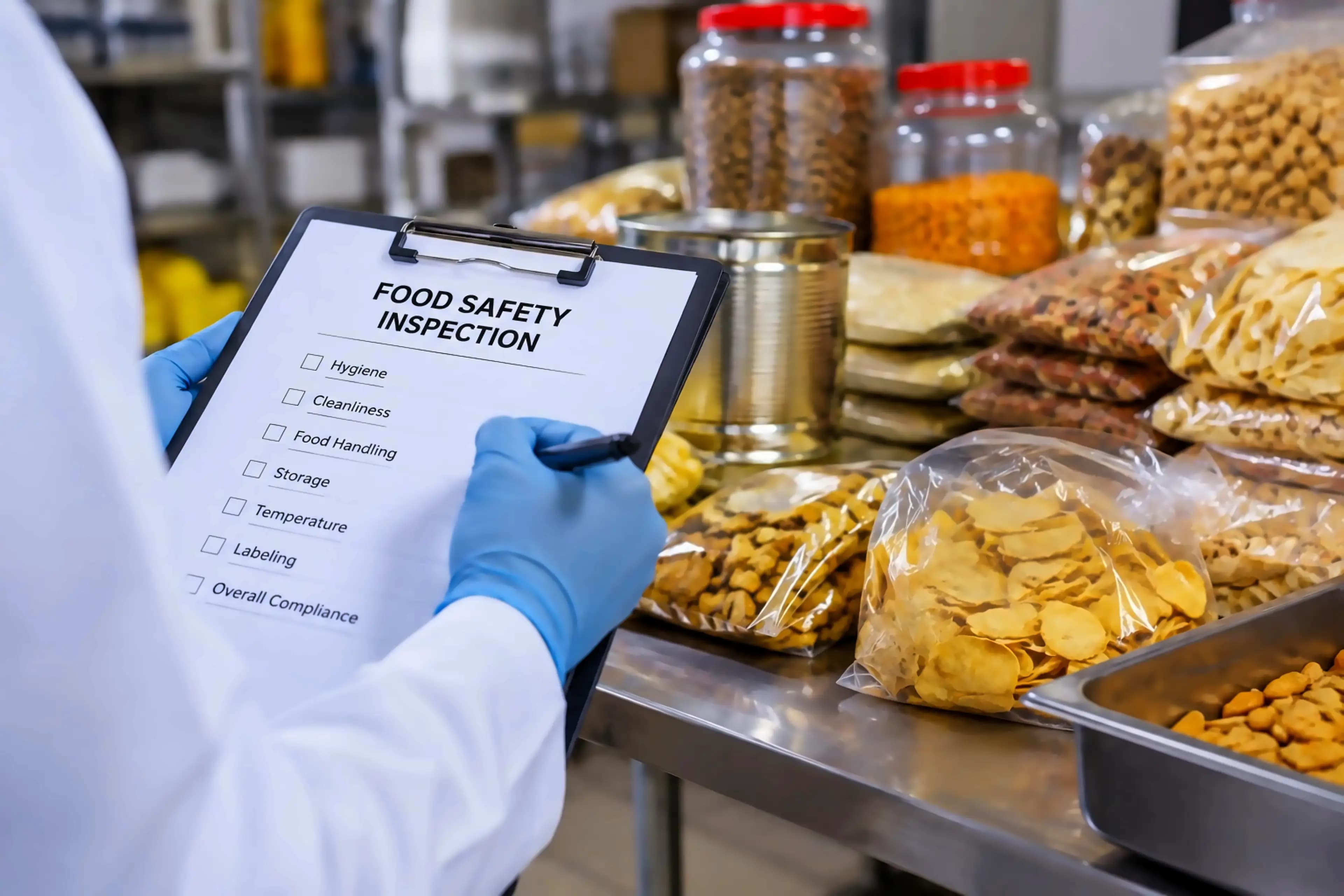
In a comprehensive statewide operation conducted between September 17-20, the Food and Drug Administration (FDA), Government of Maharashtra, seized and destroyed suspected adulterated, substandard, and unhygienic food items worth over ₹1.36 crore during special drives. According to official statements, enforcement teams inspected a total of 64 food establishments across the state, including hotels, restaurants, and dhabas. The operation resulted in the suspension of 12 food licences and improvement notices issued to 36 other establishments following critical hygiene and compliance lapses. The confiscated stocks primarily included 32,023 kg/litres of suspected substandard, unhygienic, or misbranded food articles, with the seized items valued at ₹1,36,20,735. In addition, 1,868 kg of suspected substandard turmeric powder worth ₹6.53 lakh was also seized in Miraj MIDC over labelling violations and inferior quality.
Recent crackdowns by Food and Drug Administrations across different states have drawn significant public attention to regulatory enforcement capabilities. According to reports from Business Standard, the FDA in Gurugram raided outlets over complaints of stocking fake paneer, while restaurants and shops in Pune had their food licences suspended after officials found major food safety violations and poor hygiene, including cockroaches and other insects on premises. In Karnataka, the state FDA cracked down on fake drug rackets, including those for cancer, cancelling 24 licences as reported by Business Standard. The latest developments show the Drug Enforcement Wing of the Karnataka Food Safety and Drug Administration uncovered a network selling low-cost medicines repacked and labelled as expensive life-saving drugs, with the state FDA cancelling 16 licences and suspending 8 others belonging to wholesalers and retailers.
As part of the intensified vigilance, FDA teams in Chhatrapati Sambhajinagar also intercepted a major consignment of adulterated sweets arriving from Gujarat. According to ANI, Shrikant Karkade, Joint Commissioner, Food and Drugs Department, Chhatrapati Sambhajinagar, stated that officers executed a targeted raid in Chhatrapati Sambhajinagar near Shahnoor Dargah, acting on confidential intelligence regarding transport trucks coming in from Gujarat. The authorities intercepted and seized approximately 4,000 to 4,765 kilograms of adulterated khoya-based sweets—valued at nearly ₹7.6 lakhs—manufactured using cheap substitutes like palm oil, vanaspati, and added sugars rather than pure dairy. Legal notices are being served to the transporters, manufacturers, and retailers involved, with strict enforcement actions continuing across the division to protect consumers ahead of the upcoming festive season. The confiscated stocks primarily included khoya, mawa, peda, ghee, edible oil, barfi, dried fruits/raisins, jaggery, sweets, and other dairy products.
FDA Commissioner Tukaram Mundhe has affirmed the government's commitment to maintaining strict enforcement against food adulteration, stating that the government maintains a zero-tolerance policy toward food adulteration. As reported by ANI, Mundhe emphasized that "The Government of Maharashtra is extremely strict regarding the quality of food products and the enforcement of the law. Playing with the health of consumers and the public will not be tolerated under any circumstances. Such strict legal action will continue against establishments selling or storing expired or adulterated food products, or food prepared in unhygienic and unsafe conditions." The FDA has urged citizens to report any instances of food adulteration or malpractices via its toll-free helpline (1800222365) or through the dedicated state grievance portal, demonstrating the administration's commitment to public participation in regulatory enforcement.
The latest crackdowns reveal systemic failures in drug supply chain integrity, with officials noting that such rackets would not have been possible without active collusion across the supply chain from raw material suppliers to retail units. As reported by Business Standard, a reputed pharma company is not cooperating with the investigation, withholding crucial information sought by authorities, raising suspicions of non-compliance or outright complicity. The government's advisory urging consumers to buy medicines only from licensed pharmacies against valid tax invoices has come too late, with authorities needing to ensure only genuine medicines are stocked on pharmacy shelves while conducting periodic inspections to check labels, barcodes, and QR codes on packaging.
The pharmaceutical sector faces unique regulatory challenges, with the government appearing resistant to rationalisation of trade margins despite allegations of undue industry bias. According to Business Standard, the unusually high profit margins within the pharmaceutical industry can reach 70% to 80%, with healthcare activists advocating against unfair pricing practices that drive unsafe and unethical business practices. The offering of huge discounts by pharmacies should have set off alarm bells and prompted regulatory intervention earlier, as pharma retailers have been demanding regulation of e-pharmacies since they were unable to compete on pricing. The government must update regulations and deploy digital surveillance tools to monitor e-pharmacies effectively, while the critical question remains whether authorities can verify that online platforms dispense genuine prescription drugs against valid prescriptions, especially given the ease of generating fake prescriptions using AI tools.