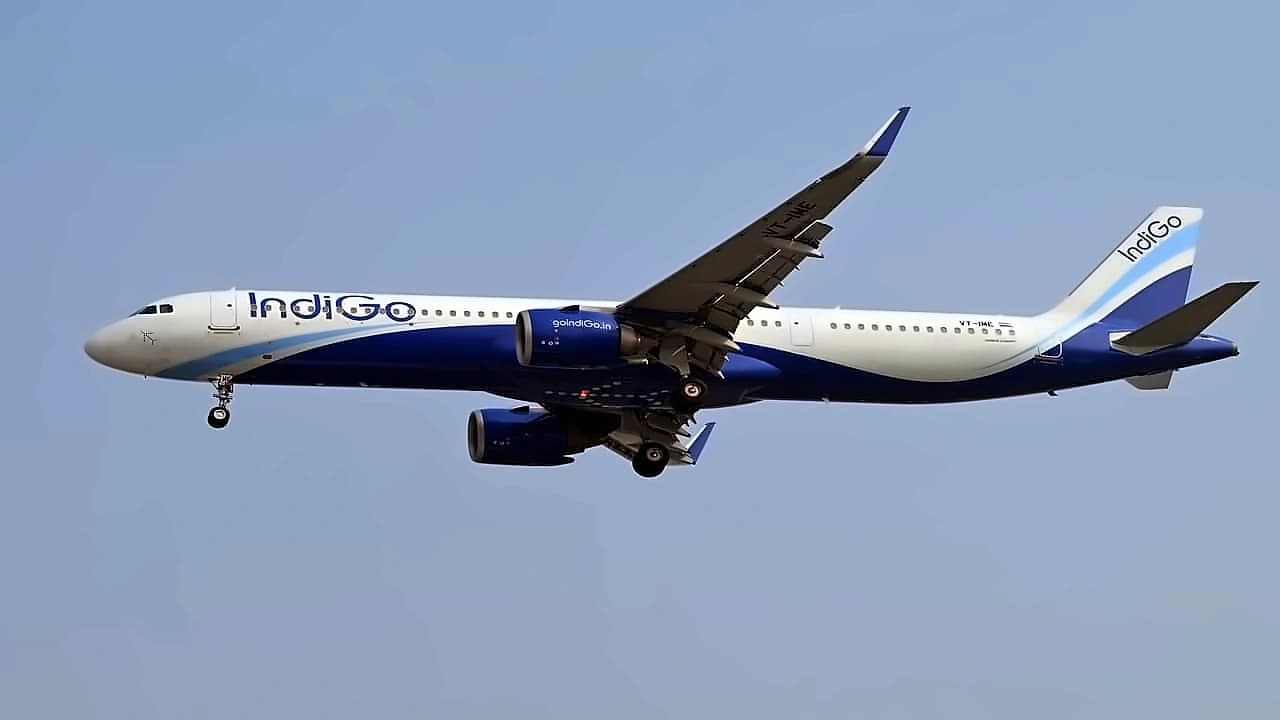
This isn’t merely a fleet expansion—it’s a calculated move toward operational standardization. By committing exclusively to CFM for 510 Airbus A320neo family aircraft, IndiGo extends a partnership that began in 2016, when it first operated CFM56-5B engines. The strategic objectives are clear: lock in industry-leading reliability, simplify maintenance complexity, and support a transition from domestic dominance to global aspirations.
The scale of this order fundamentally alters IndiGo’s bargaining power.
This volume translates into estimated 40-50% deeper discounts on list prices, priority delivery slots, and customized service agreements that smaller carriers simply cannot command. In an industry where engine manufacturers typically hold substantial leverage due to high switching costs and specialized technology, IndiGo has flipped the dynamic through sheer scale.
Capacity Expansion and Market Share Implications
The engine order directly fuels IndiGo’s capacity expansion roadmap. With over 900 Airbus aircraft on order and a current fleet of 440+ aircraft, these engines will power deliveries extending well into the next decade. This capacity pipeline is critical for maintaining IndiGo’s commanding 64.9% domestic market share against a consolidating competitive landscape where the Air India Group controls approximately 27.3% and smaller players like Akasa Air and SpiceJet fight for the remainder.
The timing is strategic. India’s aviation market is projected to triple to approximately 2,250 aircraft by 2035, with the domestic MRO market alone reaching $9.5 billion. By securing engine supply now, IndiGo positions itself to capture this growth while competitors face potential supply constraints. The Pratt & Whitney GTF engine crisis, which has left nearly one-third of GTF-powered fleets grounded due to durability concerns, highlights the risks of engine supply uncertainty—a risk IndiGo has effectively mitigated through this CFM commitment.
Financial Impact: Capital Expenditure and Leverage
The financial commitment is substantial. With LEAP engines valued at approximately $7.3 million each at list prices, the order represents roughly $7.3 billion in commitments. However, realistic transaction values after bulk discounts likely range between $3.6-4.4 billion. The capital expenditure will be phased over 5-10 years, with IndiGo’s strong liquidity position—₹362 billion in free cash as of Q4 FY26—providing ample headroom to absorb this investment without significantly stressing leverage ratios. Transcripts
IndiGo’s debt-to-EBITDAR ratio currently stands at approximately 2.1 times, and this engine order is expected to maintain leverage in the 2.0-2.4x range over the next five years, with potential improvement to 1.8-2.0x by year ten as capital expenditures taper and owned aircraft appreciate. The financing structure will likely utilize a multi-layered approach: Power-by-the-Hour (PBH) maintenance contracts that convert unpredictable capital expenses to stable operating expenses, vendor financing with deferred payment terms, and IndiGo’s GIFT City-based captive leasing entity to optimize tax efficiency and maintain balance sheet flexibility.
Unit Cost Transformation and Operating Economics
The engine order delivers immediate unit cost benefits. LEAP engines offer 15% better fuel efficiency compared to previous-generation CFM56 engines, translating to estimated annual fuel savings of $400-500 million for the 510-aircraft fleet. More significantly, the PBH maintenance model eliminates unpredictable shop visit costs—typically $2-5 million per event—by converting them to predictable hourly rates. This reduces maintenance cost volatility by 60-80% while aligning CFM’s incentives with IndiGo’s operational reliability.
Fleet standardization creates additional cost synergies. Spare parts inventory requirements drop by 30-40%, training costs decrease by 25% through unified programs, and technical expertise deepens through specialization. IndiGo’s maintenance costs, already industry-leading at 3% of total costs compared to 8-12% at peers, are projected to improve further to 2.5-2.8%. The total cost of ownership advantage is estimated at 3-5% improvement in cost per available seat kilometer (CASK), creating a structural competitive moat that will be difficult for rivals to overcome.
The MRO Game-Changer: Domestic Capabilities
Perhaps the most transformative aspect of this partnership is CFM’s commitment to support IndiGo’s upcoming engine MRO facility in India.
This vertical integration delivers substantial operational and cost advantages.
Currently, 90-95% of IndiGo’s MRO activities are outsourced internationally, with engine shop visits taking 60-90 days and costing $2.5-4.0 million each. Domestic MRO capability reduces turnaround time to 30-45 days and cuts costs by 35-40% to $1.5-2.5 million per visit. The elimination of international logistics, customs duties, and foreign exchange exposure generates additional savings. For IndiGo’s growing fleet, this translates to annual savings of $80-120 million currently, scaling to $150-200 million by 2030—a cumulative 10-year benefit of $1.2-1.5 billion. Transcripts
Supplier Concentration: Risks and Mitigations
The scale of commitment to CFM creates significant supplier concentration risk. With 1,000+ engines from a single supplier, IndiGo faces potential vulnerabilities including production bottlenecks, price escalation, and technology lock-in. Historical precedents like the Pratt & Whitney GTF grounding crisis, where nearly one-third of affected fleets remain grounded, underscore the importance of robust mitigation strategies.
IndiGo has implemented a comprehensive risk management framework. Contractual protections include performance-based agreements with specific metrics and penalties, delivery guarantees with financial remedies for delays, and price protection mechanisms capping annual increases. Operationally, IndiGo maintains strategic spare engine buffers, develops in-house technical expertise, and cultivates relationships with multiple MRO providers. Financial hedges protect against currency exposure, while integrated governance structures ensure continuous performance monitoring and collaborative planning with CFM leadership.
Competitive Positioning Against Indian Rivals
The competitive implications for Indian aviation are profound.
The engine order reinforces this divergence through structural cost advantages that competitors cannot easily replicate.
The operational metrics tell the story.
The LEAP engines deliver up to twice the time on wing in hot and harsh operating environments compared to when they entered service, directly supporting this reliability advantage. Combined with 15-20% better fuel efficiency and 5-8 percentage point maintenance cost advantages, IndiGo creates sustainable competitive moats in fleet efficiency and operating economics.
The Strategic Horizon
IndiGo’s landmark engine order with CFM International represents more than a procurement transaction—it’s a strategic transformation that repositions the airline for the next decade of growth. The combination of unprecedented scale, vertical integration through domestic MRO capabilities, and structural cost advantages creates a formidable competitive position in the world’s fastest-growing aviation market.
The partnership delivers immediate benefits through fuel efficiency and maintenance cost reductions while building long-term strategic advantages through technology access, operational flexibility, and market power. For competitors already struggling with financial losses and operational challenges, closing this gap will require equally bold strategic moves—something that has been notably absent in recent years. As IndiGo embarks on its next phase of growth toward becoming a truly global airline, this engine partnership provides the technological and economic foundation for sustained market leadership.