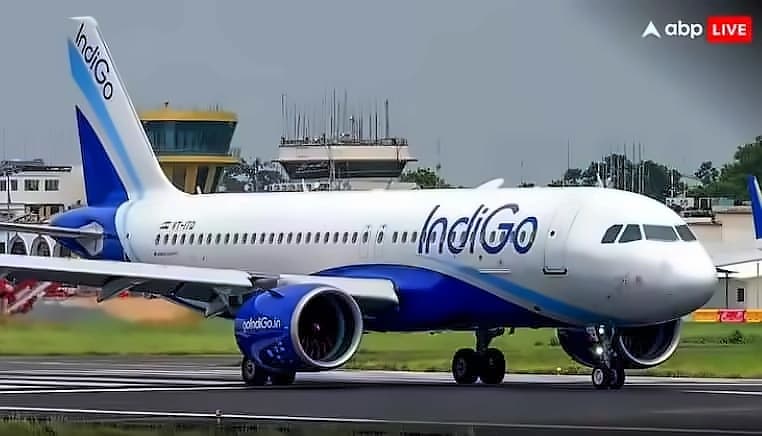
InterGlobe Aviation (IndiGo) reported a Q2 FY27 consolidated net loss of Rs 1,879 crore, narrowing 27.2% from Rs 2,582 crore a year earlier. Revenue from operations jumped 25.9% to Rs 23,364 crore. The headline looks like a turnaround. The underlying story is different. Strip out foreign exchange effects, and the loss actually widened to Rs 723.7 crore from a small profit last year. The airline is paying a steep price for fuel and a weaker rupee, even as it flexes considerable pricing power.
The Revenue Paradox: Less Traffic, More Money
Here is the puzzle.
Revenue is essentially volume multiplied by price. Volume, measured in revenue passenger kilometres (RPK), fell 3.7% to 32.8 billion. But price, the yield, jumped so sharply that it more than compensated. My calculations suggest passenger revenue grew around 29%, outpacing the total revenue growth of 25.9%. This implies non-ticket revenue grew more slowly, but the core message is clear: IndiGo made significantly more money per seat-kilometre sold.
Why Yields Soared: Fuel, Fear, and Discipline
Several forces pushed yields up. The most obvious is fuel. Aviation turbine fuel prices climbed roughly 25% in three months, with Delhi ATF hitting around Rs 137 per litre by October 1. IndiGo does not hedge fuel, so it took the full hit. It passed much of this cost to passengers through higher fares and fuel surcharges introduced from October 6.
Then there is supply.
The trade-off was a lower load factor, but the airline prioritized higher fares over fuller flights.
Geopolitics played a role too. The Middle East conflict disrupted routes and pushed crude above $100 per barrel. This created uncertainty and likely reduced the supply of competitive capacity, particularly from the constrained Air India Group, giving IndiGo more room to raise prices.
The Fuel Squeeze: A 69% Unit Cost Jump
All that yield power met a wall of cost. Fuel cost per available seat kilometre (fuel CASK) surged 68.9% to Rs 2.44. Total fuel expenses rose 67.2% to Rs 9,967 crore. This was almost entirely a price story, not a volume one. With ASK down just 1%, the massive expense increase reflects the global surge in energy prices and IndiGo's unhedged position.
The math is brutal. Revenue rose by about Rs 4,809 crore. Fuel costs rose by about Rs 4,005 crore. This means roughly 83% of the incremental revenue went straight into the fuel tank. The remaining growth was eaten by other rising costs.
Beyond Fuel: The Creep of Non-Fuel Costs
It was not just fuel. CASK excluding fuel and foreign exchange effects rose 14.6% to Rs 3.45. This reflects underlying operational pressure. A weaker rupee inflates the cost of dollar-denominated maintenance, spare parts, and airport charges.
There is also the fixed-cost problem. Leases, depreciation, and crew costs do not fall when capacity is cut. IndiGo reduced ASK by 1%, but its fixed costs remained largely unchanged. This "deleverage" means fixed costs are spread over fewer seat-kilometres, pushing unit costs up. Management has tried to offset this by deferring senior salary increments and curbing discretionary spending, but the unit cost trend is still up.
The Forex Mirage: Reported vs. Real Profit
The divergence between reported and underlying numbers is stark.
This happens because IndiGo books the mark-to-market loss on its dollar-denominated lease liabilities within operating expenses. Last year, a massive Rs 2,686 crore forex drag crushed the numbers. This year, the drag was smaller, around Rs 1,155 crore by my calculation. The reported improvement is largely a base effect—a smaller loss this year versus a catastrophic one last year—not an operational turnaround.
The net loss excluding forex of Rs 723.7 crore, compared to a profit of Rs 103.9 crore last year, tells the true story. Core profitability deteriorated.
Structural Currency Risk
IndiGo's sensitivity to the rupee is structural. Its net exposure to dollar-denominated costs, primarily lease liabilities and maintenance obligations, is around $8 to $9 billion. Every rupee of depreciation can cost roughly Rs 900 crore. The airline hedges partially, but the hedge book is relatively small at around $850 million. Transcript
This makes earnings volatile and hard to predict. A weaker rupee hits the profit and loss account through revaluation losses and inflates operating costs through higher fuel and maintenance bills. It also increases the reported value of lease liabilities, making the balance sheet look more leveraged even if no new debt is issued.
Debt, Cash, and the Liquidity Cushion
The balance sheet shows the strain. Total debt rose 16.7% to Rs 87,303 crore, including Rs 55,159 crore in capitalised operating lease liabilities. Borrowings, excluding leases, grew even faster, up about 28%. This suggests the airline is funding losses and capital expenditures with debt. Investor Presentation
Liquidity, however, remains a fortress. Total cash dipped slightly to Rs 52,685 crore, but free cash—the money actually available to spend—rose 3.7% to Rs 39,999 crore. Restricted cash, often tied to maintenance reserves and deposits, fell 14.9%. This free cash pile covers roughly 4.6 months of quarterly expenses, providing a substantial buffer against further shocks.
The concern is the trend. Net cash, excluding leases, is shrinking. The airline is still net cash on a conventional basis, but the gap is closing. Rising debt combined with a shrinking net cash position reduces financial flexibility over time. Investor Presentation
The Capacity Trade-off: Yield vs. Share
IndiGo's strategy is a calculated gamble. It is sacrificing some volume and market share to protect yields and cash flow. Domestic passenger traffic is falling across the industry, down over 6% in August. IndiGo's market share slipped to around 65%, but it remains above year-ago levels and is gaining relative to a constrained competition.
The trade-off is evident in the metrics. Passengers and load factor are down, but revenue per available seat kilometre (RASK) is up.
Transcript
The Path to Normal Profitability
Can IndiGo return to sustainable profitability? The answer depends heavily on external factors. If fuel prices retreat and the rupee stabilizes, the airline could see a rapid profit recovery. My rough calculations suggest that reverting fuel CASK to last year's levels would save roughly Rs 4,000 crore per quarter at current capacity—a sum far larger than the current ex-forex loss.
However, not all costs are reversible. The rise in non-fuel unit costs and the growing fixed-cost base from a larger fleet mean margins may not fully return to previous highs. The airline is also betting on continued pricing power. If competitors like Air India resolve their fleet constraints, the capacity discipline that supports high yields could erode.
Management's focus on safe operations and cost discipline is the right playbook for a volatile environment. The airline has navigated significant disruptions, including the December 2025 grounding event, and restored its operational reliability. This operational strength is a key competitive advantage.
The Bottom Line
IndiGo's Q2 FY27 results are a tale of two airlines. The reported numbers show a company narrowing its losses and growing revenue. The underlying numbers show a business grappling with a structural cost shock and deteriorating core profitability. The 34% yield surge is an impressive display of pricing power, but it is a response to an exceptional crisis, not a sustainable growth engine. The real test will come when fuel and FX headwinds abate. Can IndiGo leverage its strong liquidity and market position to deliver consistent profits without the crutch of crisis-driven pricing? That is the question investors should be asking.