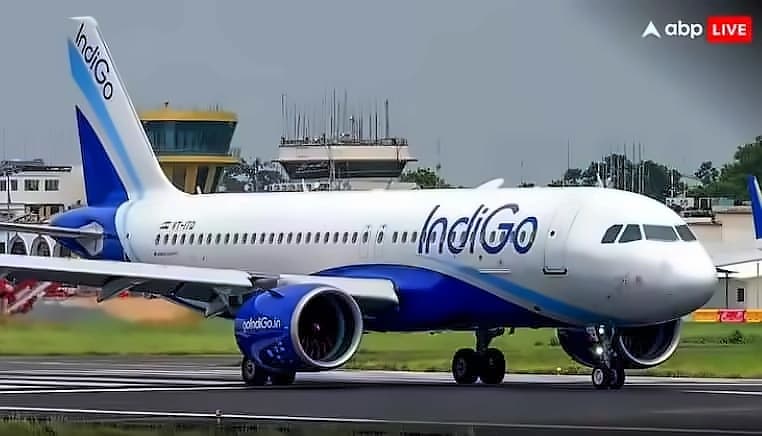
IndiGo CEO Willie Walsh has confirmed that the airline has 'no choice left but to look to increase fares' as it faces a 'very significant' rise in its fuel bill, according to PTI reports. The warning comes as InterGlobe Aviation Ltd, IndiGo's parent company, reported its third consecutive quarterly loss of ₹2,055 crore for the quarter ended September 30, though this was lower than the previous year's ₹2,614 crore loss. As reported by Livemint, Walsh stated 'I've been in this industry for 47 years. I've seen what I thought were high fuel costs. I've never seen anything like this' during his media interaction after the company's quarterly results. The airline's latest revision of fuel charges became effective October 6, following a month-on-month increase in ATF prices exceeding 14%, pushing costs to among their highest levels in the past decade. Walsh indicated during the briefing that the airline would seek to minimise fare increases, pointing to IndiGo's low-fare model which has helped drive growth in India's aviation market. However, he acknowledged that the airline would need to raise ticket prices to recover some of the additional costs while trying to minimise the impact on passenger demand.
Under the revised structure, IndiGo's fuel charges on domestic flights now range from ₹375 to ₹1,300, depending on the distance travelled, with charges increased by ₹100 to ₹350 per sector. As reported by HT, the airline has implemented these changes to offset the substantial impact of rising fuel costs on domestic operations. The domestic fuel charge structure reflects the varying distances and operational requirements across different routes within India. According to Livemint, fuel accounts for nearly 38% of total expenses in the September quarter, making it one of the biggest cost drivers for the airline. The airline carried 27.5 million passengers in the quarter, down 4.5% year-on-year, while also cutting capacity by 1% to manage costs.
For international flights, revised fuel charges vary significantly by destination, ranging from ₹1,000 to ₹10,000. According to the latest revision, flights to Europe attract a fuel charge of ₹10,000, while flights to Southeast Asia, the Gulf region and parts of East Asia attract a charge of ₹5,500. This pricing structure reflects the different fuel consumption patterns and operational costs associated with international routes compared to domestic operations. As reported by Livemint, IndiGo expects passenger revenue per available seat kilometre to grow by more than 25% year-on-year, based on trends seen in October, indicating the airline expects to earn considerably more from the seats it offers despite fewer passengers.
Aviation turbine fuel (ATF) accounts for around 40% of an airline's operating costs, making carriers particularly vulnerable to sharp price increases. According to Reuters, this substantial share of operating expenses raises the likelihood of higher airfares when airlines are unable to pass on the entire fuel cost increase to passengers. The airline's fuel bill surged 67.2% year-on-year to nearly ₹9,967 crore, as reported by HT, while it recovered only about 60% of the increase through fares and other measures. Walsh indicated that no immediate relief is expected from elevated fuel costs, stating that the airline would continue to explore internal measures to absorb the increase. IndiGo's expenses rose 19.2% to ₹26,357 crore while revenue increased 26% to ₹23,364 crore, with the sharp rise in costs continuing to weigh on finances despite higher passenger revenue.
The fare increase reflects the airline's strategy to maintain profitability amid rising operational costs. According to PTI reports, IndiGo's decision to increase fares demonstrates the airline's limited options when facing significant fuel cost pressures. Walsh noted during the briefing that India stimulates a lot of additional growth through the low fare that IndiGo has been able to offer in the market, and the airline would seek to minimise fare increases while maintaining its competitive position. The revised pricing structure across both domestic and international routes shows a systematic approach to offset the substantial impact of fuel price increases on airline operations. IndiGo expects low single-digit capacity growth in the December quarter, with the airline planning to review individual routes based on passenger demand, fuel costs and the evolving geopolitical situation, with international routes likely to see greater capacity adjustments. IndiGo shares rose around 3% to ₹4,810 on Friday morning despite the quarterly loss, with 25 analysts maintaining a 'Buy' rating and a median share price target of ₹5,700, citing the airline's ability to charge higher fares and control costs effectively.