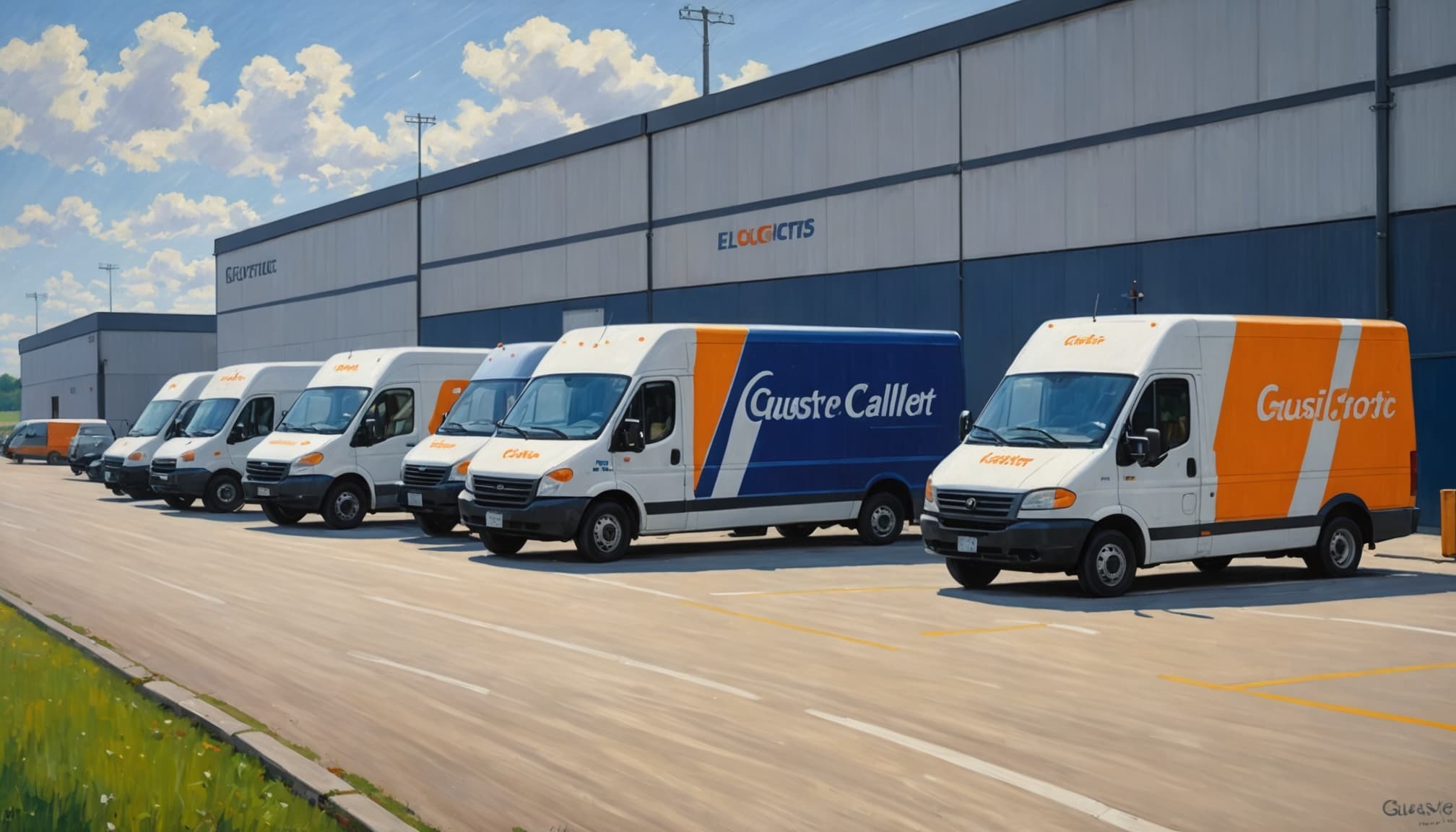
Delhivery is making a bold bet on electric vehicles.
That is just the first phase. The goal is to operate nearly 5,000 electric vehicles within three years, targeting more than 50% of its eligible intra-city fleet in that timeframe.
The focus is specific: vehicles that run less than 200 km per day. In this segment, Delhivery says electric vehicles are increasingly competitive with diesel on total cost of ownership. Currently, EVs make up about 12–13% of the eligible intra-city fleet. The company aims to fully electrify this sub-200 km fleet within four to five years, with some reports pointing to a 100% target by 2030–31.
The Economics: Why Sub-200 km Matters
The math for electric vehicles works best on predictable, short-distance routes. A vehicle covering under 200 km daily can typically complete its run on a single charge. This high utilisation helps spread the higher upfront cost of an EV over more kilometres, making the economics more attractive.
Delhivery has not published specific numbers on fuel savings, maintenance costs, or the exact total cost of ownership advantage versus diesel. The company's filings and recent concalls do not contain these figures. However, the logic is straightforward. Electric vehicles have fewer moving parts, which typically means lower maintenance. Energy costs per kilometre are generally lower than diesel, especially if charging is subsidised. Annual Report
The company is addressing the upfront cost barrier directly. It is making advance payments to vendors to facilitate the transition to electric vehicles. Additionally, Delhivery's Financial Services arm plans to extend loans through partners to fleet owners, including for electric vehicles and light commercial vehicles. Management described this monetisation as being at a very early stage. Transcript
Infrastructure and Working Capital
Delhivery is not just buying vehicles. It is building the ecosystem to support them. The company is piloting charging facilities at its operational locations, starting with Delhi-NCR. It plans to offer low-cost charging and free parking to vendor partners to reduce operational barriers.
This infrastructure investment comes with costs. Delhivery's capital expenditure was 4.8% of revenue in the first half of FY27, with management guiding to under 5% and a long-term target of 4%. The charging infrastructure is likely modest compared to overall capex, especially since the vehicles themselves are vendor-owned. However, the company has not disclosed specific spending figures for charging infrastructure. Investor Presentation +1
Working capital is another consideration. Net working capital was 5 days as of September 2026, down from 11 days at March 2026. Management had previously stated that 11 days was sustainable. Advance payments to vendors would increase working capital, but the company appears to have some headroom against that 11-day benchmark. Investor Presentation +1
Regulatory Tailwinds
Delhivery's plan aligns well with emerging regulations, particularly in Delhi-NCR where the pilot is launching. The Delhi Electric Vehicle Policy 2026–2030, notified on June 30, 2026, introduces electrification mandates for fleet operators. The policy prohibits fleet aggregators from inducting new petrol or diesel four-wheeler commercial vehicles into their fleets, though Bharat Stage VI vehicles are permitted until December 31, 2026.
The policy also offers purchase incentives of up to INR 100,000 per electric commercial four-wheeler, along with scrapping incentives and exemptions from road tax and registration fees for qualifying EVs. These incentives reduce the cost burden on vendors and support Delhivery's electrification push.
Air quality concerns are driving these regulations. The Commission for Air Quality Management has identified vehicular emissions as the largest contributor to winter air pollution in Delhi, accounting for 23% of the problem. Commercial vehicles under 3.5 tonnes, which include many of Delhivery's intra-city vehicles, are specifically targeted due to their high daily mileage.
Competitive Landscape
Delhivery is not alone in this transition. Competitors and e-commerce giants are also moving toward electric fleets. Flipkart has committed to 100% electric mobility for its last-mile fleet by 2030 under the Climate Group's EV100 initiative and had deployed over 10,000 EVs by November 2024. Amazon India has targeted adding 10,000 electric delivery vans by 2025. Blue Dart has also integrated electric vehicles into its fleet, though it has not disclosed specific numbers.
Delhivery's specific numerical target of 5,000 EVs within three years and its clear timeline for reaching over 50% electrification of its eligible fleet provide a concrete roadmap. The partnerships with three OEMs also suggest a strategy to secure supply across different vehicle categories.
However, Delhivery has not publicly committed to net zero or science-based targets, and no ESG ratings were found in its filings. This puts it behind some peers in terms of formal sustainability commitments, even as its operational actions move in the right direction. Annual Report
Execution Risks and Supply Constraints
Scaling from 12–13% to over 50% in two to three years is a significant operational challenge. The primary risk lies in vendor adoption. Since most of the fleet is vendor-owned, Delhivery must convince independent fleet owners to invest in electric vehicles. Commercial EV loans can carry interest rates of 15–20%, and uncertainties around battery performance and resale values add to the hesitation. Delhivery's advance payments and planned financing offerings aim to address this, but their effectiveness remains to be seen.
Supply chain constraints are another concern. India's electric commercial vehicle market is growing rapidly, with sales jumping 155% to 23,540 units in the first eight months of 2026. Tata Motors leads with a 33% market share, while Euler Motors has surged to 20%. Delhivery's target of 1,500–2,000 vehicles over 12–18 months is meaningful but not overwhelming relative to this market size. However, competing demand from other fleet buyers and potential component shortages—particularly semiconductors and rare-earth magnets, which remain heavily imported—could create allocation risks.
The Memoranda of Understanding with the OEMs are not binding purchase orders, and no firm delivery schedules have been disclosed. Converting these MoUs into actual orders and timely deliveries will be critical.
Managing the Mixed Fleet
During the transition period, Delhivery will operate a mixed fleet of electric and diesel vehicles. This creates operational complexities. Route planning must account for the range limitations of EVs, assigning them to predictable, shorter routes while diesel vehicles handle longer or irregular runs. Charging infrastructure must be integrated into hub operations without creating bottlenecks.
Delhivery is also focusing on network optimisation and improved vehicle utilisation to reduce unnecessary travel distances and operational emissions. This optimisation becomes even more important with a mixed fleet, as inefficient routing could negate some of the cost and environmental benefits of electrification.
Service reliability is paramount. Management has previously highlighted labour availability as increasingly volatile and has emphasised investments in network quality and automation to maintain service levels. A poorly managed transition could add strain to the network during peak periods. Transcript +1
The Bottom Line
Delhivery's electrification strategy is a calculated bet that combines regulatory alignment, vendor incentives, and infrastructure investment. The economics appear favourable for the sub-200 km intra-city segment, but the company has not yet provided the detailed data to quantify the advantage.
The success of this plan will depend on execution. Can Delhivery secure sufficient vehicle supply from its partners? Will vendors embrace the transition despite financing challenges? Can the charging infrastructure scale smoothly beyond Delhi-NCR?
Investors should watch for disclosures on advance payment amounts, charger deployment progress, and EV adoption rates in upcoming quarterly results. The Q3 FY27 concall could provide the next set of concrete updates. For now, Delhivery is moving from pilot to scale, but the road ahead has its share of bumps.