The Crisis Unfolds
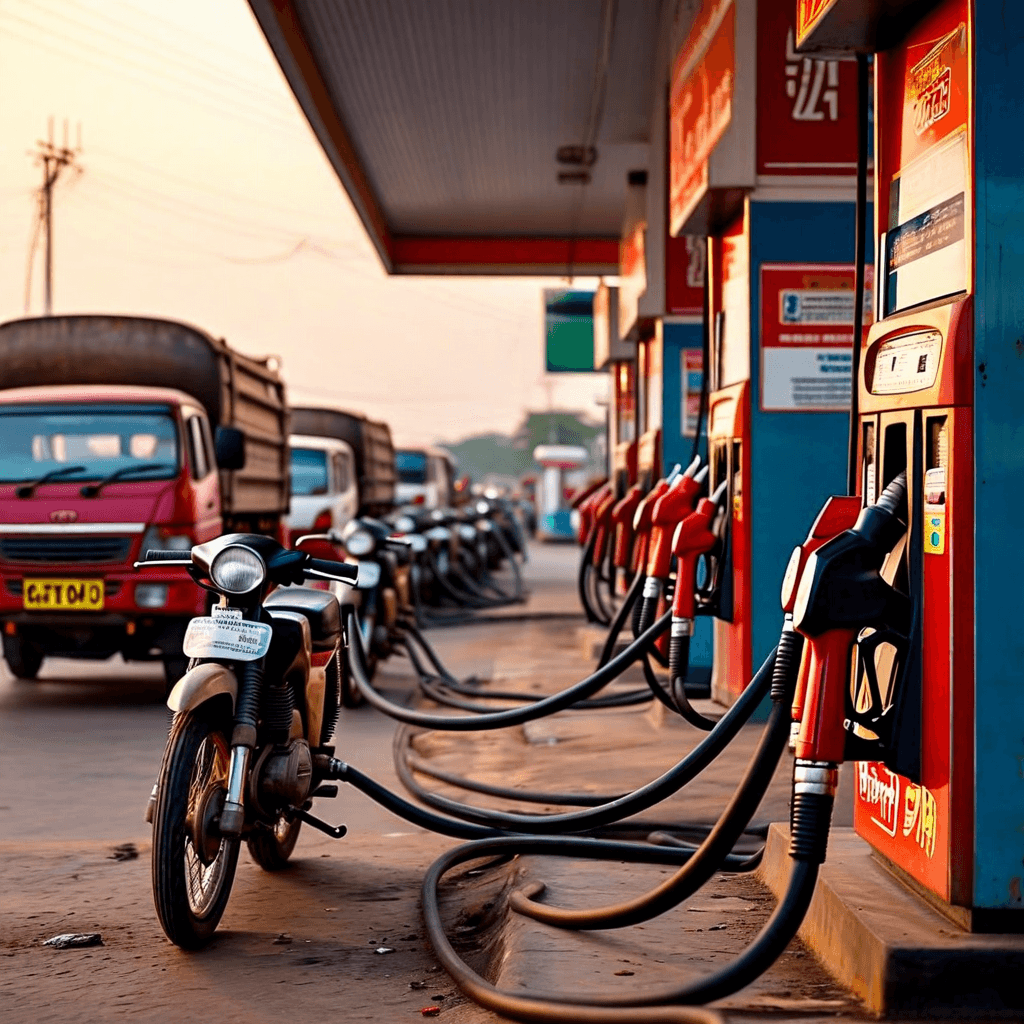
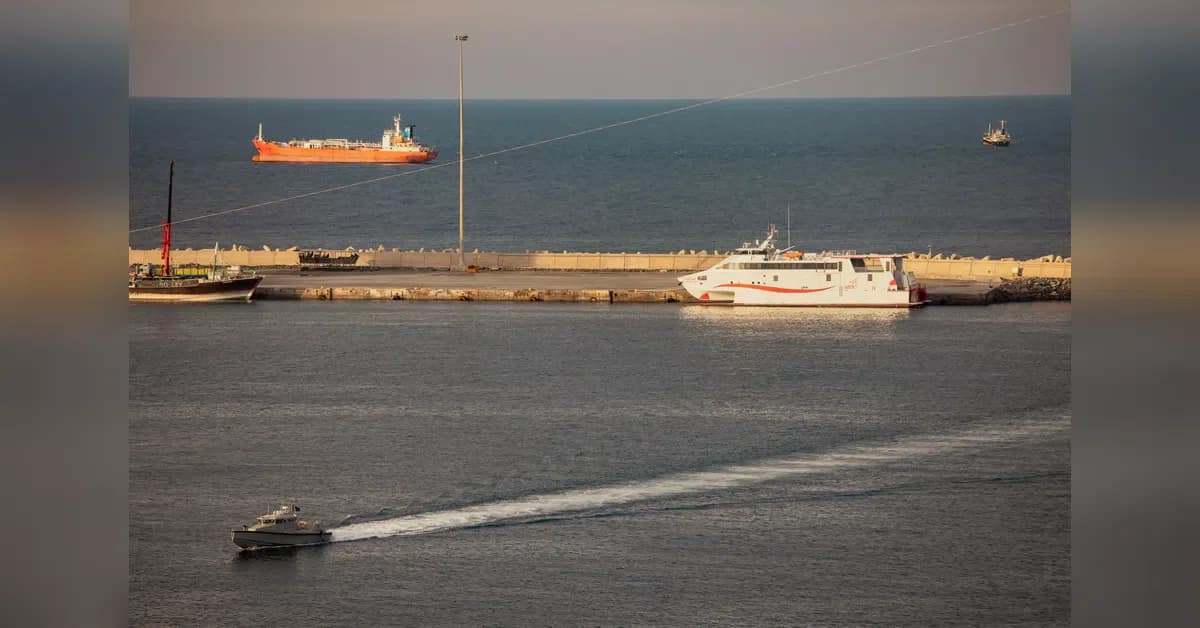
India is grappling with a severe LPG supply shortage in 2026, triggered by the Iran-Israel conflict disrupting tanker movement through the Strait of Hormuz—a critical chokepoint handling 20% of global LPG trade. The situation is particularly acute because India imports 60-65% of its LPG consumption (approximately 31.3 million tonnes annually), mainly from Qatar and Saudi Arabia. Domestic production meets only 35-40% of demand, leaving the country vulnerable to geopolitical shocks. Strategic storage capacity stands at a mere 140,000 tonnes—just five days of national consumption—providing no buffer against demand shocks.
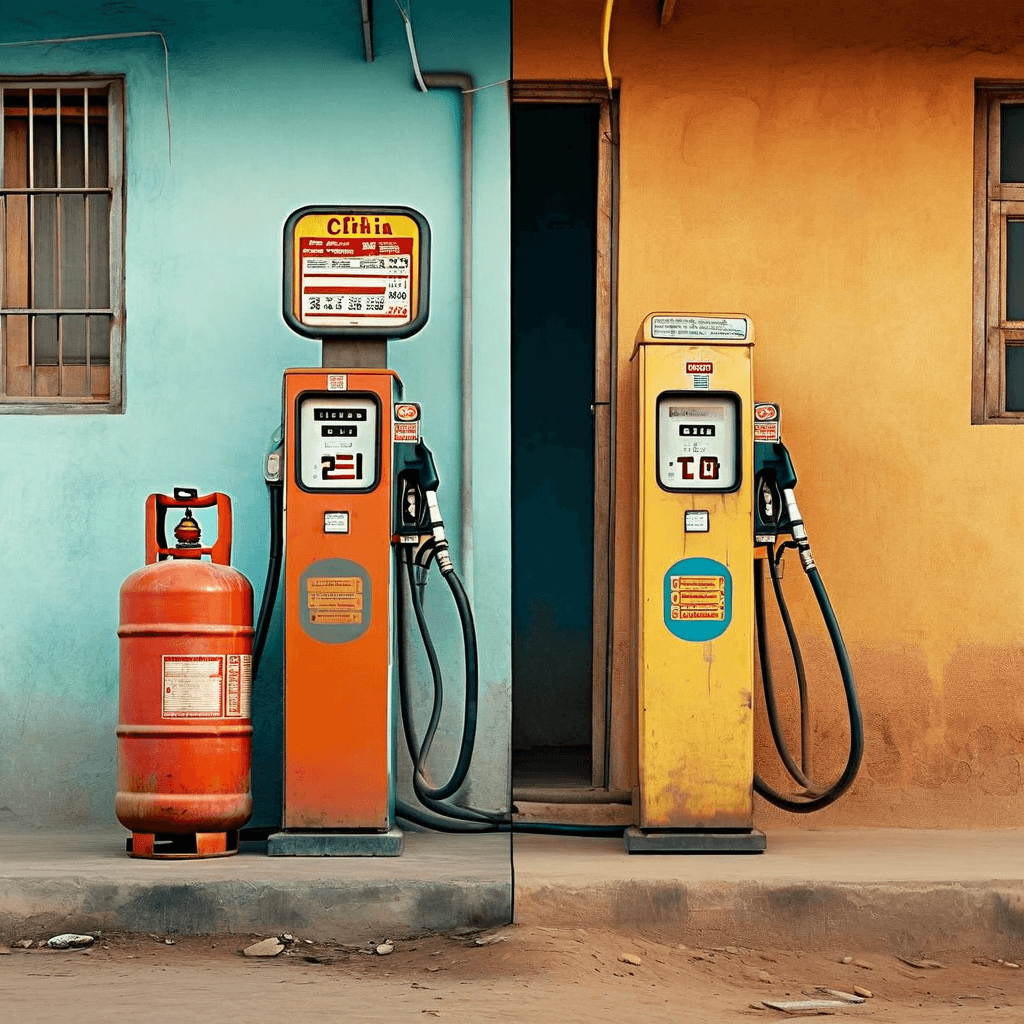
The government has prioritized domestic household LPG supply over commercial users, leading to severe supply constraints for the hospitality sector. Commercial cylinder prices have surged, with the 19 kg commercial cylinder now costing ₹2,078.50 in Delhi—up over ₹300 in just two months following five price increases. This twin burden of shortage and rising costs has forced businesses across India to adapt or face closure.
Hospitality Sector Under Pressure
Hotels and restaurants are feeling the heat acutely. Many establishments are receiving only three cylinders per week versus their requirement of 15-17 cylinders for full operations—less than 20% of their needs. Royal Residency, a four-star hotel in Kochi, has reduced its menu from a wide variety to just 32 items, dropping Chinese and Continental dishes that consume more LPG. Some hotels have even discontinued complimentary breakfast services for room guests. In Mumbai, an estimated 20% of eateries have shut down due to the shortage.
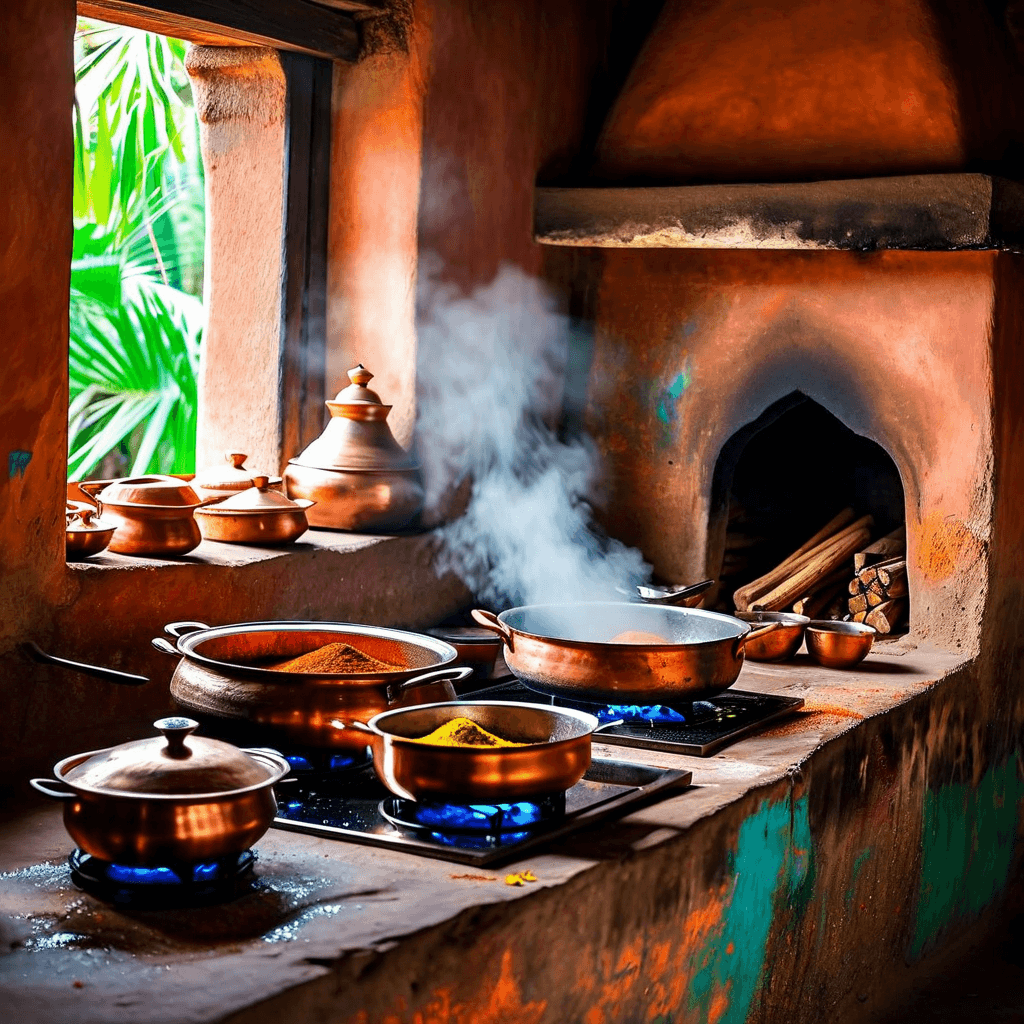
The impact extends beyond menu reductions. DK Hotels in Dakshina Kannada district exemplifies the severity of the crisis. Premium hotels on MG Road are using firewood to prepare three meals daily for 55+ staff members, saving nearly one commercial LPG cylinder daily. Though commercial LPG distribution has technically resumed, supplies remain "far below normal levels" with no clarity on when the situation will normalize. This dependence on traditional cooking methods reflects not just temporary disruption but a structural supply failure that has persisted for over a month.
The Electric Cooking Surge
While the hospitality sector struggles, cooking appliance manufacturers are witnessing a dramatic shift in consumer behavior. Stovekraft Ltd, a leading kitchen appliance company, reports a 4X spike in average weekly sales of induction cooktops on e-commerce channels since the Middle East tensions began. The surge is even more dramatic on Amazon India—induction cooktop sales increased 30X, while rice cookers and electric pressure cookers saw 4X growth. Tata Group's Croma has seen its average daily run rate surge to nearly three times usual levels, with customers purchasing multiple units at once—indicating precautionary buying rather than impulse purchases.
This demand has created stock shortages across major markets. Stovekraft's Managing Director Rajendra Gandhi has stated unequivocally that "the next wave of growth is clearly coming from electric cooking." The company currently manufactures around 2 lakh induction cooktops monthly at its Harohalli, Karnataka facility and plans to ramp up production significantly in the coming financial year. E-commerce already contributes over 35% of the company's revenue, positioning it perfectly to capture this digital-first demand surge.
Divergent Business Trajectories
The LPG crisis is creating starkly different outcomes across the cooking equipment value chain. For Stovekraft, electric cooking appliances are emerging as the strongest growth engine, while traditional gas stove business lines face structural headwinds. The company's stock, despite a 1-year return of -21.01%, has gained 6.02% in the past month, suggesting market recognition of this opportunity. With a market cap of ₹1,750.55 crores and P/E ratio of 22.35, the company is trading at reasonable valuations for a growth story in a structural shift.
In contrast, hospitality businesses are navigating complex trade-offs between fuel availability, cost, and operational efficiency. Mid-sized restaurants operating on 10-15% profit margins face potential losses as fuel and food comprise their two major variable costs. Many are considering menu price corrections of 5-7% to absorb escalating costs, while others are reducing portion sizes instead of direct price hikes. The industry is also exploring energy-efficient burners and better kitchen prep time management to minimize fuel usage.
Policy Response and Infrastructure Challenges
The government has implemented several measures to address the crisis. The Oil Ministry constituted a committee of three Executive Directors from Oil Marketing Companies to review LPG supply to restaurants, hotels, and industries. Government measures have led to a 25% rise in LPG production, though this remains insufficient to bridge the supply-demand gap. More significantly, the government introduced a new LPG rule in March 2026 mandating that households in areas with PNG (Piped Natural Gas) infrastructure must shift to PNG within three months. PNG is 12-15% cheaper than LPG and considered safer.
However, the transition to electric cooking faces infrastructure constraints. While urban areas generally have reliable electricity supply, commercial kitchens need 3-phase power for multiple induction units and may require electrical upgrades. Rural areas face greater challenges with variable grid reliability. The cost-benefit analysis favors electric cooking in the long run—induction cooktops achieve 80-90% energy efficiency compared to 40-50% for gas—but the higher upfront capital investment remains a barrier for many businesses.
The Path Forward
The LPG crisis is accelerating a structural transformation in India's cooking fuel ecosystem that was likely years away. For Stovekraft and other electric-ready manufacturers, this represents an exceptional opportunity to capture market share and establish category leadership. The company's existing manufacturing infrastructure, e-commerce capabilities, and brand equity provide significant competitive advantages in this rapidly evolving landscape.
For the hospitality sector, the path forward involves difficult choices. Businesses must decide between maintaining minimal LPG capacity while expanding electric cooking, investing in complete kitchen electrification where feasible, switching to PNG where infrastructure exists, or maintaining a diversified fuel mix. The lack of regulatory clarity on the duration of LPG supply constraints makes long-term planning challenging.
The crisis has exposed critical vulnerabilities in India's energy security while creating opportunities for innovation. As the country grapples with this challenge, the companies that navigate the transition effectively—whether through electric cooking adoption, fuel diversification, or operational efficiency improvements—will emerge stronger in the post-crisis landscape. The cooking fuel mix in India is being rewritten, and the pace of change will be determined by the interplay of regulatory actions, infrastructure development, and market responses.