India is experiencing a severe LPG supply shortage of approximately 400,000 barrels per day compared to pre-war levels, as the closure of the Strait of Hormuz has disrupted over 80% of India's LPG imports. According to Kpler data, shipments plunged from 851,870 barrels per day in February to just 377,620 barrels per day in April, creating a supply gap that domestic production cannot fully offset. India's total LPG sales in April reached 2.19 million metric tons, roughly 846,000 barrels per day, with the country importing nearly two-thirds of its total LPG needs before the conflict began. Domestic production increased by about 75,000 barrels to reach 530,000 barrels per day, but this was insufficient to compensate for the steep decline in imports. The crisis has forced India to start buying from Iran, Australia, Argentina and Chile, with these four countries supplying 43,000 barrels per day in April — up from zero in February.
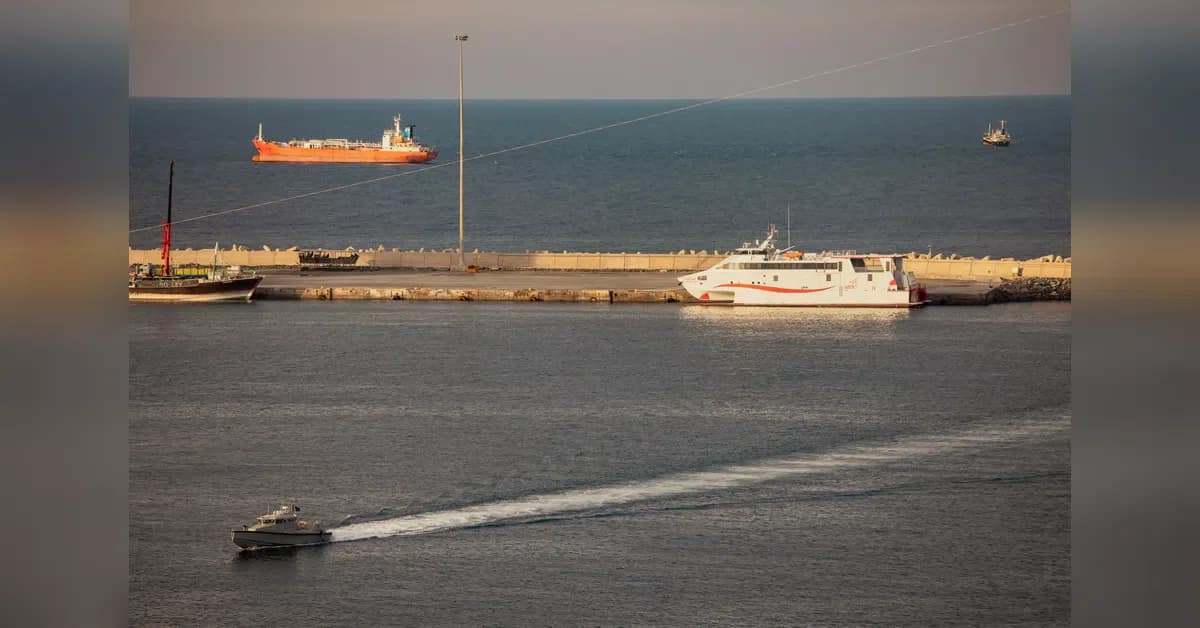
India's energy crisis has intensified as former IMF Deputy Managing Director Gita Gopinath warns of crude oil prices potentially surging to $140 per barrel if the ongoing West Asia conflict continues through June. Speaking to India Today TV, Gopinath described the situation as a "global supply shock" impacting oil, LPG, LNG and fertilisers, with shortages becoming as serious as rising prices. As reported by Business Standard, oil marketing companies (OMCs) were previously facing underrecoveries worth ₹1,000 crore per day, though this has been reduced after two modest increases in petrol and diesel prices. The conflict around the Strait of Hormuz continues to disrupt global energy supplies, with Gopinath noting that even if an agreement is reached immediately, restoring normal supply flows could take two to three months. The United States has rejected Iran's latest proposal to end the stalemate, meaning uncertainty continues with no clarity on when the blockade will be lifted and oil flow will resume.
The LPG crisis has already impacted domestic consumption, with LPG cylinder sales falling 13% in March and another 12.7% drop in April following price increases. In early March, India raised the price of a standard 14.2-kilogram household LPG cylinder by ₹60, while commercial LPG cylinders saw a price hike of ₹993, pushing costs above ₹3,000 in major cities like Delhi and Mumbai. On the black market, domestic cylinders now sell for over ₹3,000, more than triple the government-mandated price of around ₹915. The crisis has particularly affected restaurants and businesses, with the pressure even worse for commercial users. Meanwhile, shipments from the four main Middle Eastern suppliers — the UAE, Qatar, Kuwait and Saudi Arabia — saw their shipments drop 75% in April compared to February, as these countries normally provide 80% of India's LPG imports.
Gopinath emphasized that the government faces limited choice regarding fuel price increases, stating "having fuel prices go up at the pump will deliver the behavioural change that you need" as the crisis represents an "external shock" beyond India's control. According to Business Standard, the government has implemented several measures including a credit-guarantee scheme to support businesses and special arrangements for airlines. However, India has not allowed domestic energy prices to reflect international costs, instead reducing the special additional excise duty. Gopinath warned that inflation pressures are already building and will likely intensify in the coming months, with the burden of the crisis requiring "more cash transfers to vulnerable households" and government-guaranteed loans for viable small businesses. Analysts argue that the price impact of the Iran conflict has been muted thus far because countries have been running down their reserves, but this cannot sustain indefinitely.
India is scrambling to find alternatives as the crisis deepens, with shipments from Australia taking about 20 days to arrive, while those from Argentina and the U.S. can take 35 to 45 days. The government is promoting piped natural gas, adding over half a million new connections in March, but only about 16 million households use piped gas compared to 330 million who rely on LPG. Sales of electric stovetops are also rising sharply as families look for alternatives. Gopinath suggested that targeted cash transfers for vulnerable families and liquidity support for small businesses hit by rising fuel and input costs would be necessary. The government currently provides free food grain to over 800 million people, which creates difficulties in justifying additional support measures. Gopinath argued that "the relevant number is not the actual value of the exchange rate, what matters is jobs, inflation and output" regarding the rupee's recent weakness from around 91 to nearly 97 against the US dollar, while noting that India's forex reserves of around $700 billion are still finite.