The Perfect Storm: When Geopolitics Hits Agriculture
The Strait of Hormuz, a narrow 33-km maritime passage, has transformed from a trade route into a geopolitical chokepoint. Since late February 2026, shipping through this critical artery has collapsed by over 95%, disrupting nearly one-third of global seaborne fertiliser trade . For India—the world's second-largest fertiliser consumer—this isn't merely an energy story; it's the opening chapter of a potential food security crisis.
The numbers tell a stark tale. Urea import bids have surged from $508-512 per tonne in February to $935-959 per tonne in April 2026—an 84-87% increase that nearly doubles procurement costs . Domestic urea production, heavily dependent on imported LNG, has plummeted from 2.5 million tonnes monthly to 1.5 million tonnes . Yet remarkably, India's fertiliser availability stands at 71.58 LMT against a requirement of just 18.17 LMT for April 2026 . How is this possible?
Breaking Free from Gulf Dependence
For decades, India's fertiliser security was tethered to the Gulf. The Gulf Cooperation Council countries accounted for nearly 40% of urea imports and over 60% of LNG imports . When the Strait of Hormuz effectively closed, this dependence became an existential vulnerability.
The government's response has been swift and decisive. Indian Potash Limited (IPL) executed a strategic pivot, securing 2.5 million tonnes of urea through a multi-sourcing agreement that completely bypasses West Asia . The suppliers? Russia, Algeria, Nigeria, Egypt, Indonesia, and Malaysia—a geographic spread that transforms a single chokepoint risk into a resilient network.
The tender structure itself was masterful. IPL shortlisted five global trading firms—Aditya Birla Global Trading, Ameropa Asia, Valency, Dreymoor, and Chasemax—requiring each to match the lowest bids for both coasts . Millennium Commodity offered $935 per tonne for West Coast delivery, while Chasemax bid $959 per tonne for the East Coast . Most importantly, suppliers agreed to avoid the war-impacted Strait of Hormuz entirely .
Russia emerges as the largest supplier, contributing an estimated 0.8 million tonnes . The Arctic routing via the Northern Sea Route provides a Hormuz-independent corridor, while discounted prices offer some relief from the overall cost escalation . This diversification reduces Gulf dependence from 40% to a fraction, fundamentally restructuring India's supply risk profile.
The Gas-Fertiliser Nexus: Keeping Plants Running
Natural gas isn't just an energy source for fertiliser plants—it's the lifeblood. Accounting for 70-80% of urea production costs, gas availability directly determines whether factories hum or fall silent . When LNG supplies from Qatar—the source of 60% of India's urea-manufacturing gas—disrupted, domestic production faced an existential threat .
The government's response came through the Natural Gas (Supply Regulation) Order, 2026. Fertiliser plants were categorised under 'Priority Sector-2', guaranteeing at least 70% of their average natural gas consumption . This wasn't just administrative action; it was backed by operational measures. The Empowered Pool Management Committee secured an additional 7.31 MMSCMD of gas on a spot basis, increasing total supply to urea plants by 23% from 32 to 39.31 MMSCMD .
The impact was immediate. Domestic urea production climbed from 54,500 metric tonnes per day to 67,000 metric tonnes per day, lifting gas requirement fulfilment from 62% to 76% . While plants still operate below optimal capacity, this intervention prevented a complete shutdown that would have catastrophic consequences for Kharif sowing.
Buffer Stocks: The Strategic Insurance Policy
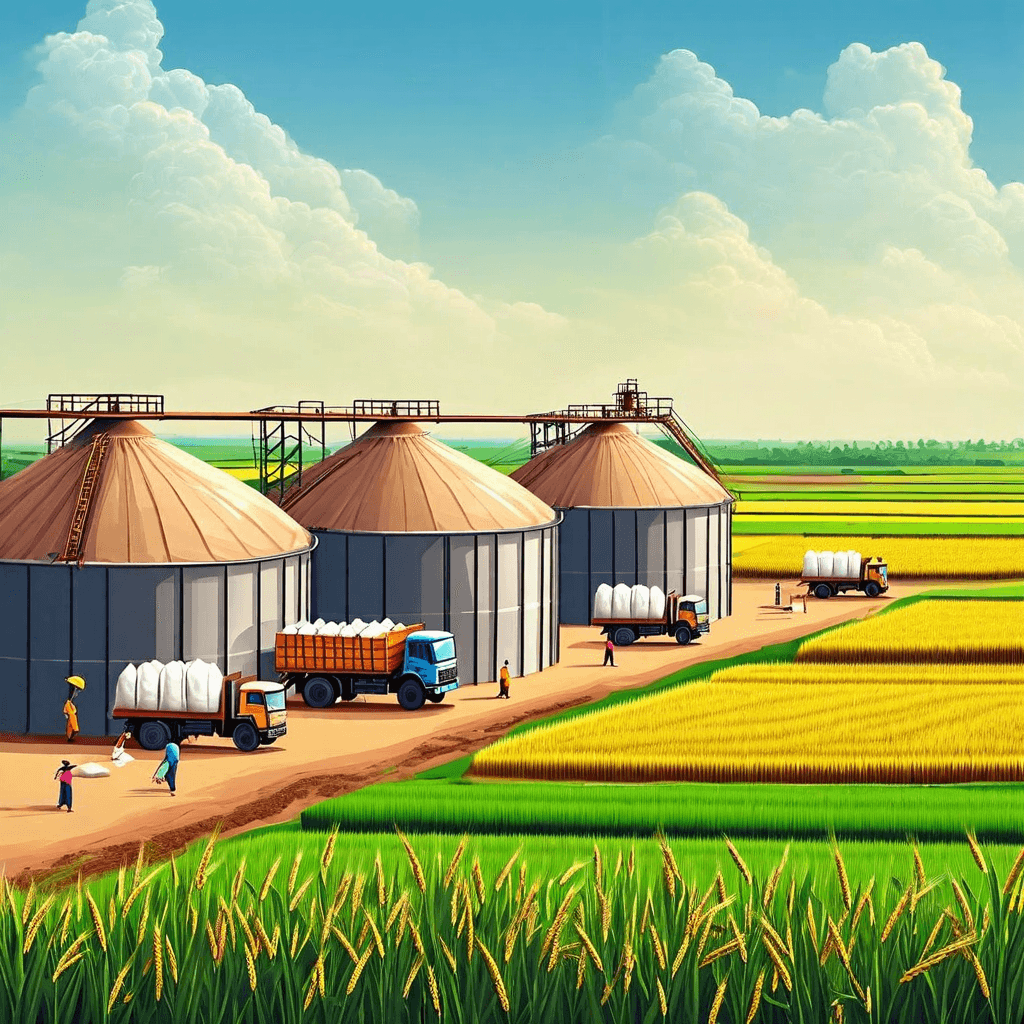
Perhaps the most impressive aspect of India's crisis management has been its buffer stock strategy. For Kharif 2026, fertiliser requirement stands at 390.54 LMT. Against this, India has already accumulated 180 LMT as opening stock—46% coverage compared to the historical norm of 33% . This 13-percentage-point improvement represents months of advance planning and execution.
The stock position across categories reveals comprehensive preparation: Urea at 61.51 LMT, DAP at 25.17 LMT, NPK complexes at 56.30 LMT, plus substantial reserves of SSP and MOP . This isn't just inventory; it's strategic insurance against extended disruptions.
The buffer stock strategy extends beyond mere accumulation. The Department of Fertilizers has implemented sophisticated monitoring systems, with State Agriculture Secretaries in constant coordination to track movement and availability across districts . States have been advised to take strict action against diversion, hoarding, and black marketing—ensuring that stocks reach farmers rather than being siphoned off by unscrupulous intermediaries.
The LPG Parallel: Preventing Panic Through Smart Distribution
The fertiliser crisis has a parallel in the LPG sector, where similar supply chain disruptions triggered panic buying. The government's response here offers lessons in crisis communication and distribution management.
Commercial LPG allocation was increased to 70% of pre-conflict levels, with specific priority accorded to sectors where piped natural gas couldn't serve as an alternative . More importantly, 93% of LPG cylinder distribution now occurs through authentication codes, creating a digital audit trail that prevents diversion and enables real-time monitoring .
The results speak for themselves: despite panic buying at many distributorships, there has been no dry out anywhere . Enforcement agencies conducted inspections at 1,800 locations, penalising 310 distributors and suspending 71 for malpractices . This combination of enhanced supply, digital tracking, and strict enforcement has maintained market stability even during periods of heightened anxiety.
The Whole-of-Government Approach
What makes India's response particularly effective is the coordinated action across multiple government departments. The Cabinet Committee on Security, chaired by the Prime Minister, has overseen a comprehensive review of the West Asia conflict's impact across all sectors .
The Department of Fertilizers and Ministry of Petroleum have created synergies in managing cross-commodity supply risks. Gas allocation prioritisation for fertiliser plants is coordinated with LPG allocation for households. Import strategies for energy and fertilisers are integrated to maximise bargaining power and minimise logistics costs. This whole-of-government approach ensures that actions in one sector don't create unintended consequences in another.
Diplomatic efforts have complemented domestic measures. Indian Missions abroad are actively engaged in facilitating alternate sources of supply , while high-level discussions with major producers and exporters have secured commitments for priority shipments . The Ministry of External Affairs has coordinated consular support for Indian seafarers and students in the Gulf region, demonstrating that crisis management extends beyond mere commodity flows.
The Fiscal Challenge: Shielding Farmers from Global Volatility
All these measures come at a cost. The fertiliser subsidy bill, already among the largest components of public expenditure, is projected to exceed Rs 2 lakh crore in FY27—approximately 20% higher than earlier projections . The government has committed to maintaining urea at Rs 266.5 per 45 kg bag despite international prices exceeding Rs 4,000 per bag .
This fiscal burden reflects a deliberate policy choice: farmers will not bear the brunt of global price volatility. The government has announced additional subsidies of INR ₹192 billion (USD $2 billion) to offset rising input costs , while proposing an economic stabilization fund of INR ₹573 billion (USD $6.20 billion) to manage external shocks .
The subsidy mechanism itself has proven resilient. Under the Direct Benefit Transfer (DBT) system, subsidy payments to companies occur only after actual sales to farmers, ensuring that government support reaches its intended beneficiaries . The timely disbursement of subsidies has been crucial in maintaining the liquidity of fertiliser companies during this period of stress.
Looking Beyond the Crisis: Long-Term Strategic Shifts
The current crisis has accelerated long-term strategic initiatives that might otherwise have taken years to implement. The National Coal Gasification Mission, with a target of 100 million tonnes by 2030 and an incentive framework of ₹8,500 crore, represents a fundamental shift toward energy independence .
Rashtriya Chemicals and Fertilisers is leading the charge with the Talcher coal gasification project—a joint venture with Coal India and GAIL involving an investment of Rs 8,000 crore . This project aims to produce 2,200 MTPD of ammonia and 3,850 MTPD of urea using domestic coal as feedstock, breaking the LNG dependence chain.
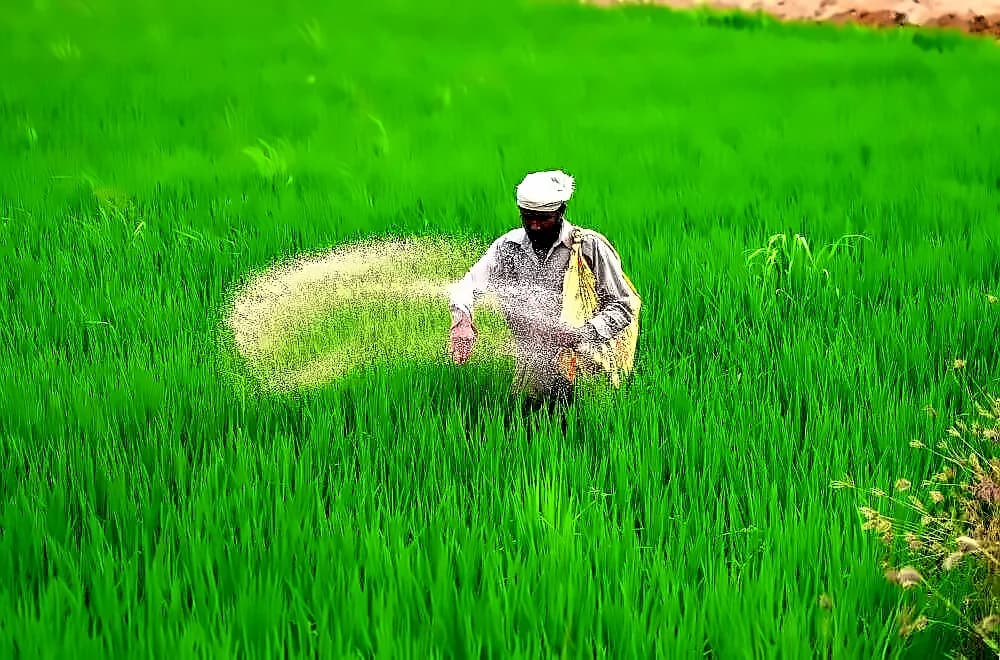
Technology adoption is accelerating. Nano Urea and Nano DAP, which can replace 50% of conventional fertiliser applications with equal or better crop response, are being scaled up . Biostimulants and microbial inputs are being promoted to improve nutrient use efficiency . The Soil Health Card Scheme is enabling balanced fertiliser use based on crop-specific recommendations .
The Road Ahead: Resilience in an Uncertain World
India's fertiliser sector has weathered the perfect storm of geopolitical disruption, supply chain constraints, and price volatility. The response has been characterised by strategic thinking, rapid execution, and coordinated action across multiple fronts.
The multi-sourcing strategy has reduced concentration risk from Gulf dependence. Buffer stock management has created insurance against extended disruptions. Inter-departmental coordination has maximised the effectiveness of limited resources. Technology adoption has improved efficiency and reduced waste.
Yet challenges remain. The fiscal burden of subsidies is straining public finances. Domestic production capacity needs expansion to reduce import dependence. Alternative technologies require scaling to achieve meaningful impact. The long-term solution lies in a balanced approach that combines immediate crisis management with structural reforms.
As the Kharif sowing season approaches, India's fertiliser ecosystem remains resilient, adequately stocked, and efficiently managed. The government has demonstrated that with strategic planning, decisive action, and coordinated implementation, it's possible to protect food security even in the face of unprecedented global disruptions.
The lessons from this crisis will shape India's approach to agricultural input security for years to come. In an increasingly uncertain world, resilience isn't just about surviving shocks—it's about building systems that can adapt, evolve, and thrive despite them.