India's solar sector is confronting unprecedented weather-related challenges alongside cost pressures. Summer 2026 witnessed extreme heat and heavy rain that caused major solar irradiation swings, complicating forecasts and raising risk-management needs for investors. According to Solargis, a Slovakia-based solar data firm, extreme weather has demonstrated how solar resource conditions can diverge significantly from historical averages across major markets. Southern England and western France recorded solar irradiance more than 20% above normal, while Malaysia, Indonesia and southern Philippines saw irradiation around 30% higher than historical levels. Conversely, eastern India experienced irradiation as much as 20% below average due to monsoon rains, though fortunately most solar projects are concentrated in India's west and north which experienced average or above-average conditions. The latest developments show that El Niño's early onset has triggered a cascade of atypical weather events worldwide, with India facing not only monsoon challenges but also significant shifts in policy due to insufficient rainfall.
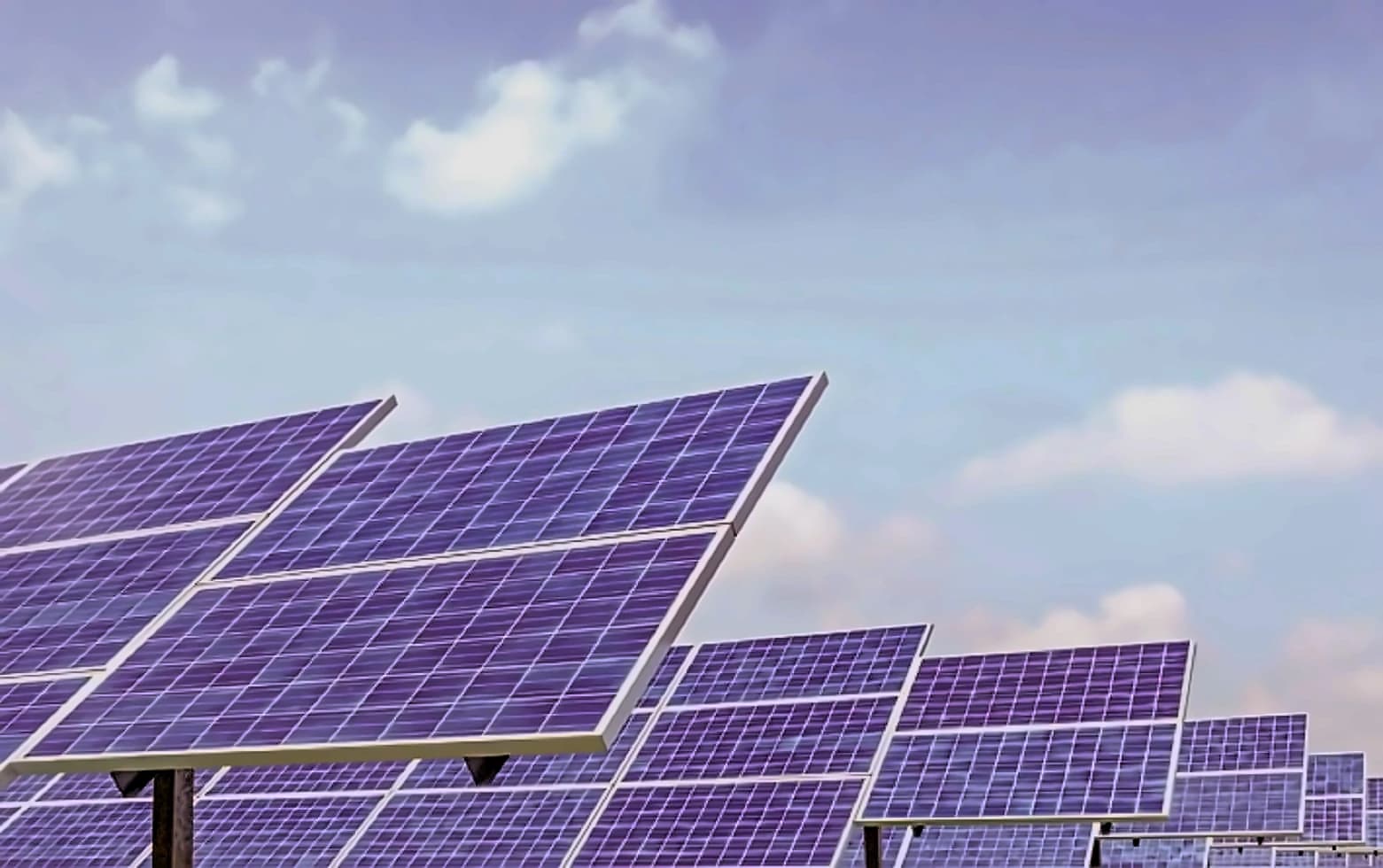
India's utility-scale solar sector is entering a challenging phase as project costs surge while tariffs remain fixed. According to an August estimate by ratings agency Icra, utility-scale solar project costs could rise 20-25% in the near term. In a separate report, Wood Mackenzie forecasts a 20% increase in utility-scale solar system prices by the fourth quarter of 2026, citing constraints in domestic cell supply after the implementation of List II of the Approved List of Models and Manufacturers (ALMM). The shift to domestic sourcing has significantly increased project costs, with the cost difference between a domestic-cell plant and a non-DCR plant currently ₹70 lakh to ₹1.2 crore per MW. Projects bid before mid-2025 assumed imported cells at ₹14-15 per watt, while the same module using a domestic cell now costs ₹24-25 per watt, moving total project costs by 15-20%.
Projects awarded at tariffs of around ₹2.50-2.60 per unit are facing significant financial pressure as costs rise while tariffs remain fixed. According to Excelsior Engineering Solutions, developers have limited ability to pass higher project costs through contracted tariffs once power purchase agreements are signed. The immediate impact is compression of project financial cushions and equity returns, with the gap between original cost assumptions and current costs potentially moving beyond IRR compression to financial closure and execution delays. Weather volatility further compounds these challenges, as changing solar irradiation patterns can shift cash flows and stress grid planning, making "average year" assumptions feel less reliable.
The changing economics are affecting financing decisions across the sector. As reported by Natrinai Ventures, banks and investors have become more cautious due to uncertainty about quality and bankability of output from newly listed Indian cell lines. Lenders underwrite 25-year cash flows without degradation data or warranty comfort on these cells, leading to more conservative assumptions about power generation and tighter debt service coverage requirements. The weather-related challenges add another layer of complexity, as hedge funds such as Jane Street Group LLC and Millennium Management LLC have been bringing weather specialists on board to better manage renewable energy exposure. Industry experts cite examples of stalled projects where neither side can fix capital expenditure or power purchase agreement tariffs.
Developers are adapting their bidding strategies to reflect current cost realities and weather uncertainties. According to Natrinai Ventures, commercial and industrial open-access power purchase agreement offers are already increasing by ₹0.30-0.50 per unit, while the domestic content requirement premium could increase utility-scale tariffs by ₹0.25-0.40 per unit before storage costs are included. The sector is experiencing more acquisitions and takeovers rather than complete exits, with examples like the reported ₹2,500 crore acquisition of Welspun New Energy by Purvah Green Power and Inox Clean Energy's ₹6,000 crore acquisition of Vena Energy India's renewable platform. As Solargis CEO Marcel Suri notes, the headline for renewable generation owners is simple: weather is moving the goalposts faster than historical datasets can keep up, requiring better data and hedging strategies to maintain grid reliability and investment returns.