Remember "The Zing Thing"? That catchy jingle from the 1980s is about to echo across Indian shelves again. Coca-Cola is reportedly preparing to relaunch Gold Spot, the iconic orange fizzy drink it discontinued back in 2000. But here's the twist: this isn't a simple nostalgia trip. The Gold Spot making a comeback is expected to be a low-sugar or no-sugar beverage, designed to fit a very different India than the one it left behind.
Why Gold Spot Vanished in the First Place
To understand why Gold Spot is returning, we first need to understand why it left.
This deal brought homegrown giants like Thums Up, Limca, Maaza, and Gold Spot into the Coca-Cola stable. However, the American giant had its own global priorities. Gold Spot directly competed with Fanta, Coca-Cola's international orange brand. By 2000, the company decided to phase out Gold Spot to make room for Fanta, rationalizing its portfolio to avoid internal competition. It wasn't a lack of popularity that killed Gold Spot; it was a strategic choice to streamline the orange segment.
The Strategic Pivot: Why Now?
So, what has changed in 26 years? The answer lies in a fundamental shift in consumer preferences and the competitive landscape. India's non-alcoholic ready-to-drink (NARTD) sector, valued at around ₹1.40 lakh crore in FY26, has been growing at a robust 14.33% CAGR. More importantly, the mix within that growth is changing. Consumers are increasingly turning away from sugar-laden drinks.
This isn't a niche trend anymore; it's the mainstream.
Solving the Fanta Overlap Problem
Bringing back Gold Spot creates an obvious question: won't it cannibalize Fanta? Coca-Cola seems to have learned from its past. Instead of launching another regular-sugar orange drink that would fight Fanta for the same shelf space, the company is reportedly positioning Gold Spot as a distinct proposition. Fanta continues to target consumers looking for conventional, full-sugar orange indulgence, holding over 50% of the orange-flavoured carbonated category. Gold Spot, on the other hand, is expected to appeal to health-conscious drinkers seeking a lower-sugar alternative. This segmentation allows Coca-Cola to widen its presence in the orange category without asking consumers to choose between two identical products.
The Campa Cola Factor
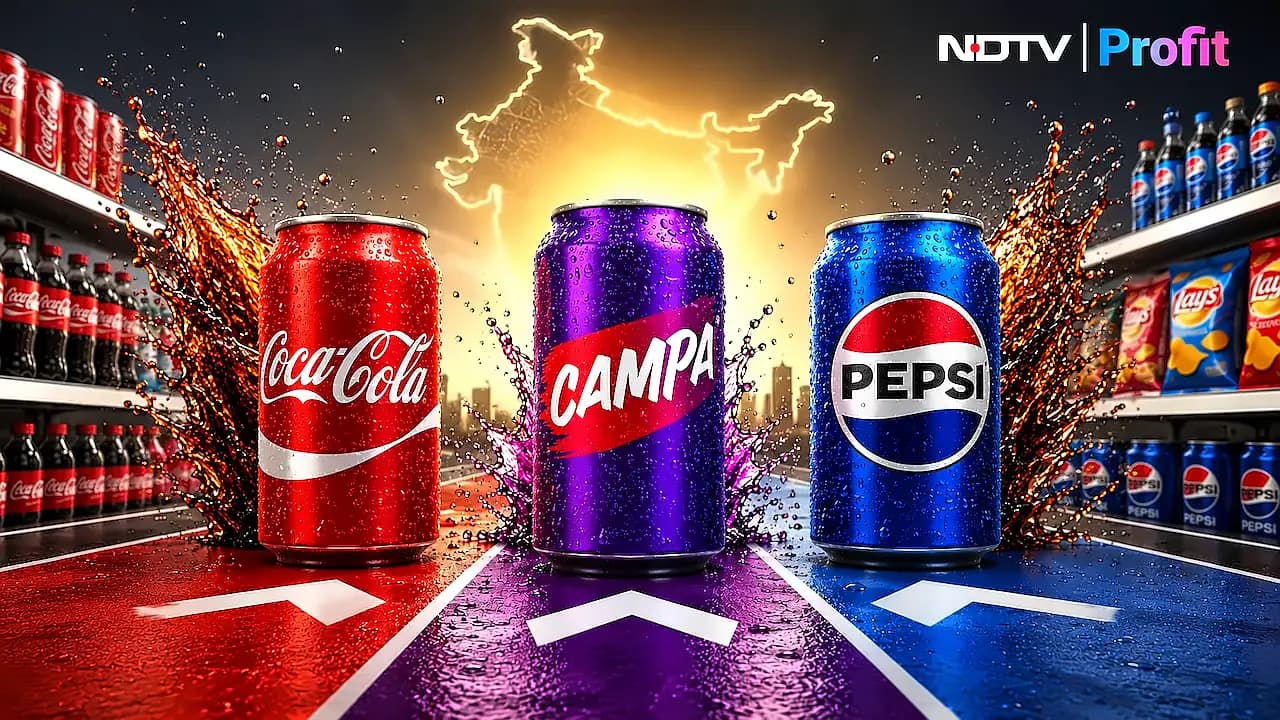
The timing of this revival is also a direct response to a very real competitive threat. Reliance Industries revived Campa Cola in 2023, and it has been disrupting the market with aggressive pricing, lower-priced pack sizes, and attractive trade margins.
By bringing back a beloved Indian brand like Gold Spot, Coca-Cola isn't just launching a new drink; it's fighting a cultural battle. Gold Spot's nostalgic appeal gives Coca-Cola a powerful counter-narrative to Campa's "homegrown" positioning, backed by the marketing muscle of a global giant.
Nostalgia as a Strategic Asset
Nostalgia is a potent marketing tool, and Coca-Cola is leaning into it hard. The company may retain Gold Spot's famous tagline, "The Zing Thing," to reconnect with consumers who grew up with the drink. Social media buzz has already begun, with Sakshi Dhoni, wife of former cricket captain MS Dhoni, teasing the comeback on Instagram. While it's unclear if Dhoni is officially a brand ambassador, the association has generated significant pre-launch interest. However, nostalgia alone won't guarantee success. The people who remember Gold Spot's original campaigns are no longer the teenagers they were designed to attract. Coca-Cola will need to explain the brand's appeal to Gen Z consumers who have no personal memory of it, while also ensuring that the new low-sugar formulation doesn't alienate loyalists expecting the original taste.
The Regulatory and Cost Backdrop
There's another, less visible factor driving this shift: sugar. Sugar prices in India have soared to approximately ₹58–65 per kg, up from ₹40–50 a year ago. This inflation puts immense pressure on beverage companies manufacturing high-sugar drinks. Simultaneously, regulatory winds are blowing.
While a low-sugar aerated drink might not escape this tax entirely, a reduced-sugar formulation helps Coca-Cola manage raw material costs and aligns with the broader regulatory push for healthier packaged foods.
The IPO Connection
The Gold Spot revival also comes at a critical time for Coca-Cola's India operations. Hindustan Coca-Cola Beverages (HCCB), the company's largest bottling partner in India, is preparing for a potential IPO in 2027.
A successful brand revival that taps into high-growth segments like low-sugar beverages could bolster investor sentiment and support the bottler's valuation narrative. While Gold Spot is just one brand in a portfolio of 41 beverages, its symbolic and commercial success would signal that Coca-Cola India can innovate and adapt in a fiercely competitive market.
The Road Ahead
The path forward for Gold Spot is paved with both opportunity and risk. On the opportunity side, it enters a massive and growing market. India's NARTD sector is projected to touch ₹2.56 lakh crore by FY31. The low-sugar segment is expanding rapidly, with new players like Lahori Zeera, Zyro, and Sorry Sugar entering the fray alongside established giants. Gold Spot's nostalgic brand equity gives it a unique identity in this crowded space.
However, the risks are significant. Taste is paramount. If the low-sugar formulation doesn't deliver a satisfying experience, repeat purchases will suffer. Sweetener aftertaste and consumer skepticism about synthetic additives are known barriers in the zero-sugar category. Furthermore, Coca-Cola will need to back the launch with serious distribution investment and a clear go-to-market strategy to ensure Gold Spot doesn't get lost on the shelf. The company has not publicly confirmed the formulation, launch date, price, or positioning, leaving much to speculation.
Ultimately, Gold Spot's return is more than a marketing gimmick. It's a calculated bet by Coca-Cola that the future of Indian beverages lies in the past. By combining the emotional resonance of a legacy brand with the functional appeal of a healthier formulation, Coca-Cola is attempting to have its cake and eat it too—honoring its Indian heritage while pivoting to meet modern health trends. Whether this "Zing Thing" can capture the imagination of a new generation remains to be seen, but one thing is certain: the battle for India's beverage market just got a lot more interesting.