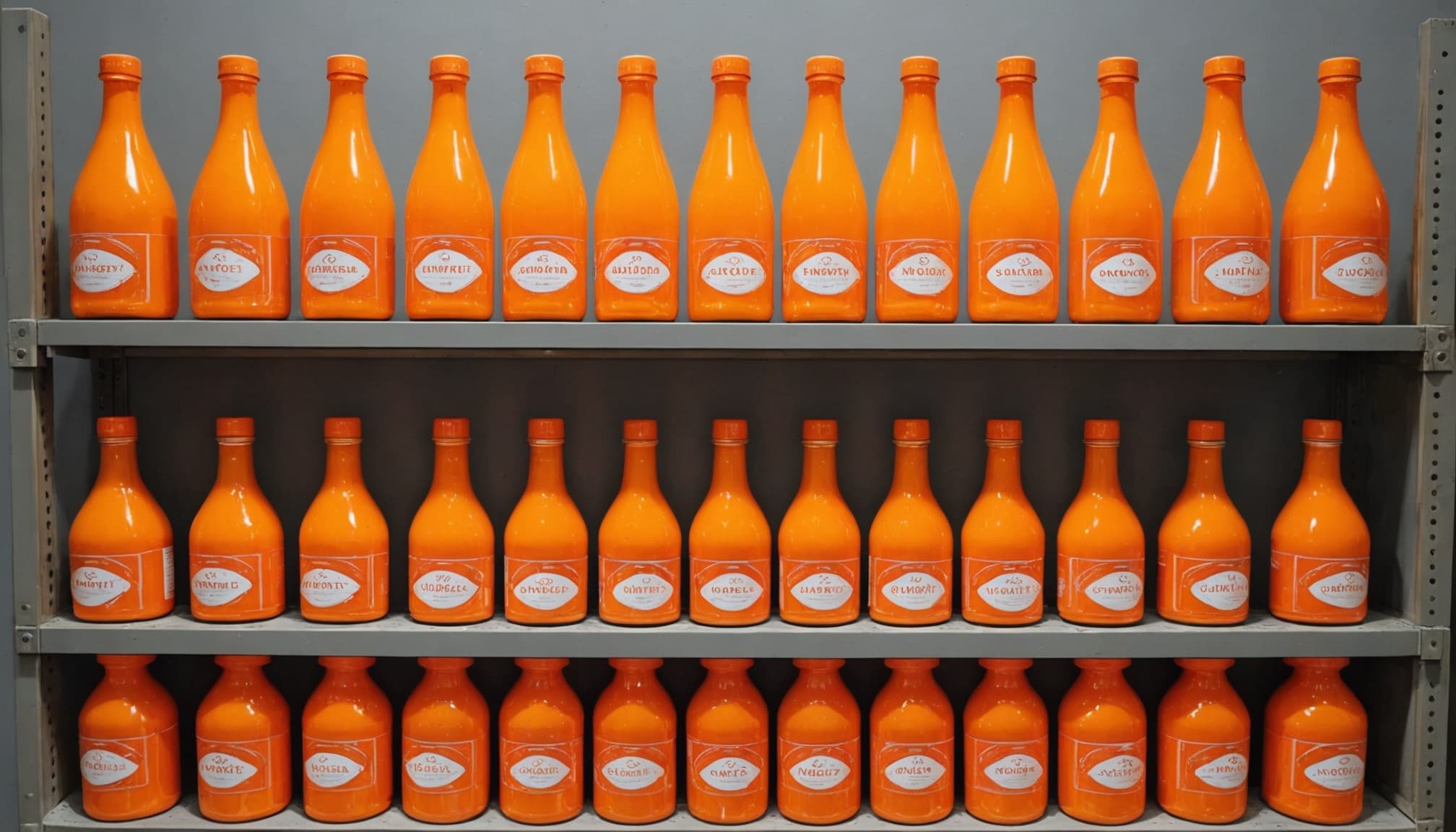
Gold Spot is expected to hit shelves starting next week after Coca-Cola announced its revival plans, as reported by executives familiar with the development. The beverage maker plans to return the brand in a low-sugar or no-sugar formulation as it looks to tap changing consumer preferences and counter intensifying competition in India's carbonated drinks market. The reported relaunch comes as the company faces increased pressure from smaller players gaining significant market share, with sales of Coca-Cola's low-sugar drinks having more than doubled in the past year. Diet and light drinks now make over 60% of Coca-Cola's total annual sales, compared to about 30% last year, according to bottling industry associates.
The reported revival addresses significant market shifts, with the combined market share of smaller players, led by Campa and Lahori Zeera, nearly doubling to 15 per cent in January-September 2025, from around 7 per cent a year earlier. As reported by The Times of India, the combined share of Coca-Cola and PepsiCo fell to about 85 per cent from 93 per cent over the same period. Reliance's beverages brand Campa has become the fourth-largest carbonated soft drinks player in India, with over ₹4,700 crore in gross sales in FY26 and a double-digit market share in key markets, according to the company's April announcement. The low-sugar or no-sugar formulation of Gold Spot could tap into this growing market for drinks that offer traditional soft drink taste with less sugar content. In recent months, brands such as Reliance Consumer Products' Campa, Lahori Zeera and Bindu Zeera, along with newer products including ITC's Coconut Cola and Veera Foods' Zyro, have challenged the long-standing dominance of Coca-Cola and PepsiCo in India for the first time.
Gold Spot was launched by Parle in 1971 when India's packaged soft drink market was still taking shape, becoming one of the country's familiar home-grown fizzy drinks with its orange flavour and distinctive positioning. Its advertising tagline 'Zing Thing' was an instant hit among the youth, particularly during the 1980s and 1990s. Coca-Cola's Indian arm bought Gold Spot in 1993 from Ramesh Chauhan, the owner of Parle Bisleri, along with Thums Up and Limca. The Atlanta-headquartered beverage company discontinued Gold Spot shortly after the acquisition to make room for Fanta, its global brand. Gold Spot is returning as a low-sugar, no-sugar drink, so it won't cannibalise on Fanta, as one executive explained, ensuring the revival doesn't compete with the company's established global brand.
The revival strategy aligns with significant growth in zero- and low-sugar drinks in India, moving from about 5 per cent of the overall beverage market in 2020 to an average of roughly 30 per cent by 2025, according to media reports. Rival PepsiCo's bottling associate Varun Beverages reported that sales of its zero-sugar and low-sugar drinks doubled to 88% of total volumes in the July-September 2026 quarter, up from 44% a year earlier, including water and sodas in the mix. The low-sugar or no-sugar formulation of Gold Spot could tap into this growing market for drinks that offer traditional soft drink taste with less sugar content. Unlike colas which dominate the ₹60,000 crore aerated drinks market, orange-flavoured beverages represent a relatively small share of overall sales. The market is also facing intense competition, while New Delhi has proposed a regulatory requirement for red hexagonal labels on the front of all food and beverage packs to indicate excessive levels of sugar, salt and fat.
The reported relaunch found an unlikely social media moment over the weekend when photographs of former Indian cricket team captain MS Dhoni and his wife, Sakshi, with Gold Spot cans went viral on social media. However, it remains unclear whether Dhoni has been signed to endorse the brand, as reported by The Times of India. Sakshi Dhoni recently shared an image of a Gold Spot can featuring Dhoni's photograph on Instagram, sparking speculation around the possible revival of this orange-flavoured beverage and fuelling speculation of a possible celebrity endorsement. The viral photos highlight the continued cultural significance of Gold Spot despite its discontinuation. Market share gain of legacy brands being revived after a long gap depends entirely on adequate investments in distribution, product and go-to-market, according to executives familiar with the development. Unlike colas which dominate the market, orange remains a smaller segment where success depends more heavily on strategic positioning and execution.