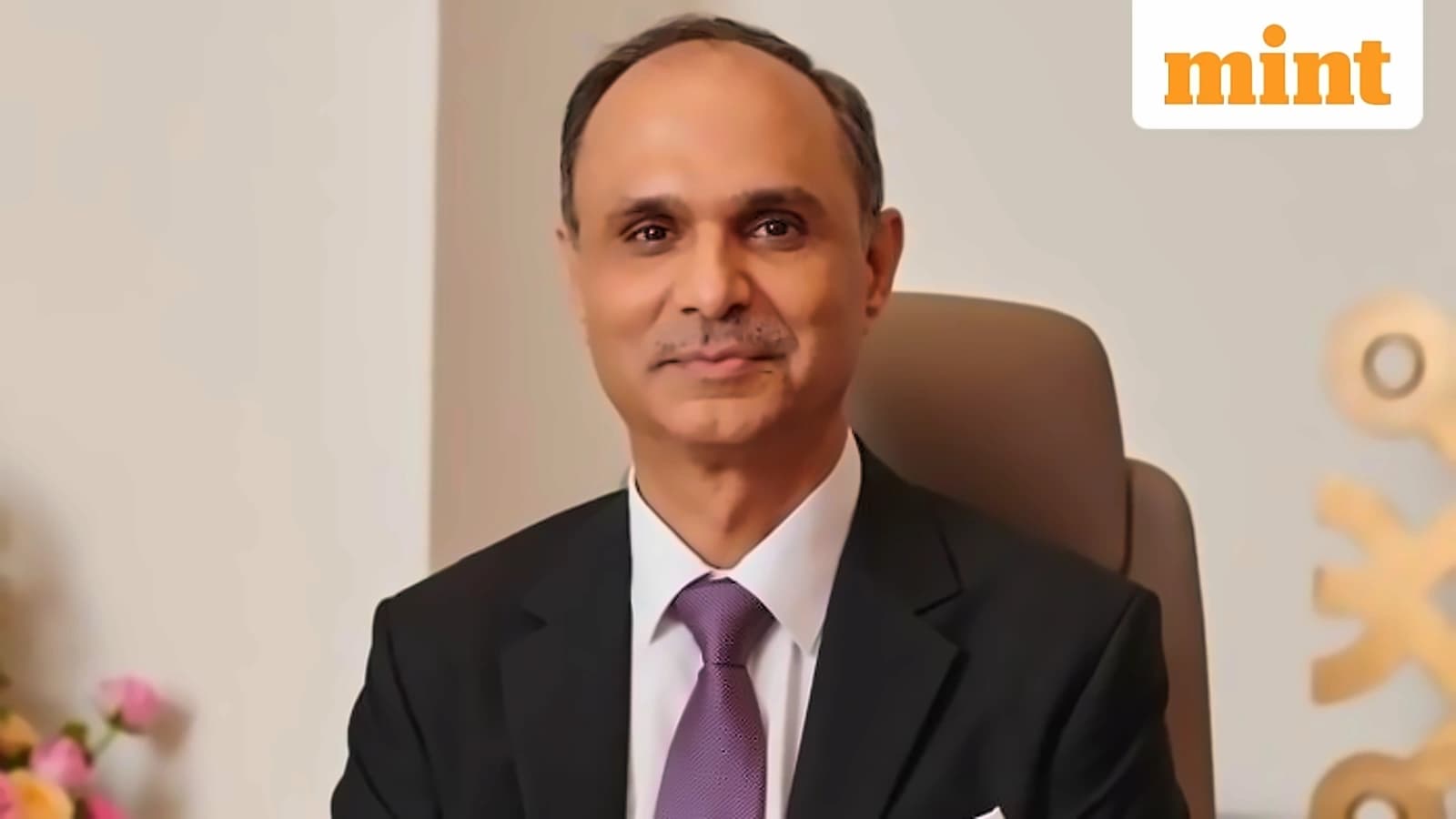
India's petroleum ministry previously ruled out maintaining multiple fuel grades, citing operational complexity. E20 became the nationwide standard from April 2026. However, Chief Economic Adviser V Anantha Nageswaran's public advocacy for E10 availability has triggered a significant policy rethink. His argument—that restoring E10 alongside E20 would calm public concerns about older vehicle compatibility while protecting the existing fleet—has gained traction. The ministry is now discussing a compromise: allowing E10 specifically through premium channels rather than creating a separate nationwide distribution network. This approach balances the government's energy transition objectives with consumer sentiment, positioning E10 as a premium choice rather than a rollback of environmental commitments.
Infrastructure Leverage: The Cost Advantage
Establishing a separate nationwide E10 network would require massive capital expenditure—estimated between ₹39,300-55,700 crore for new retail outlets, storage tanks, and dispensing units.
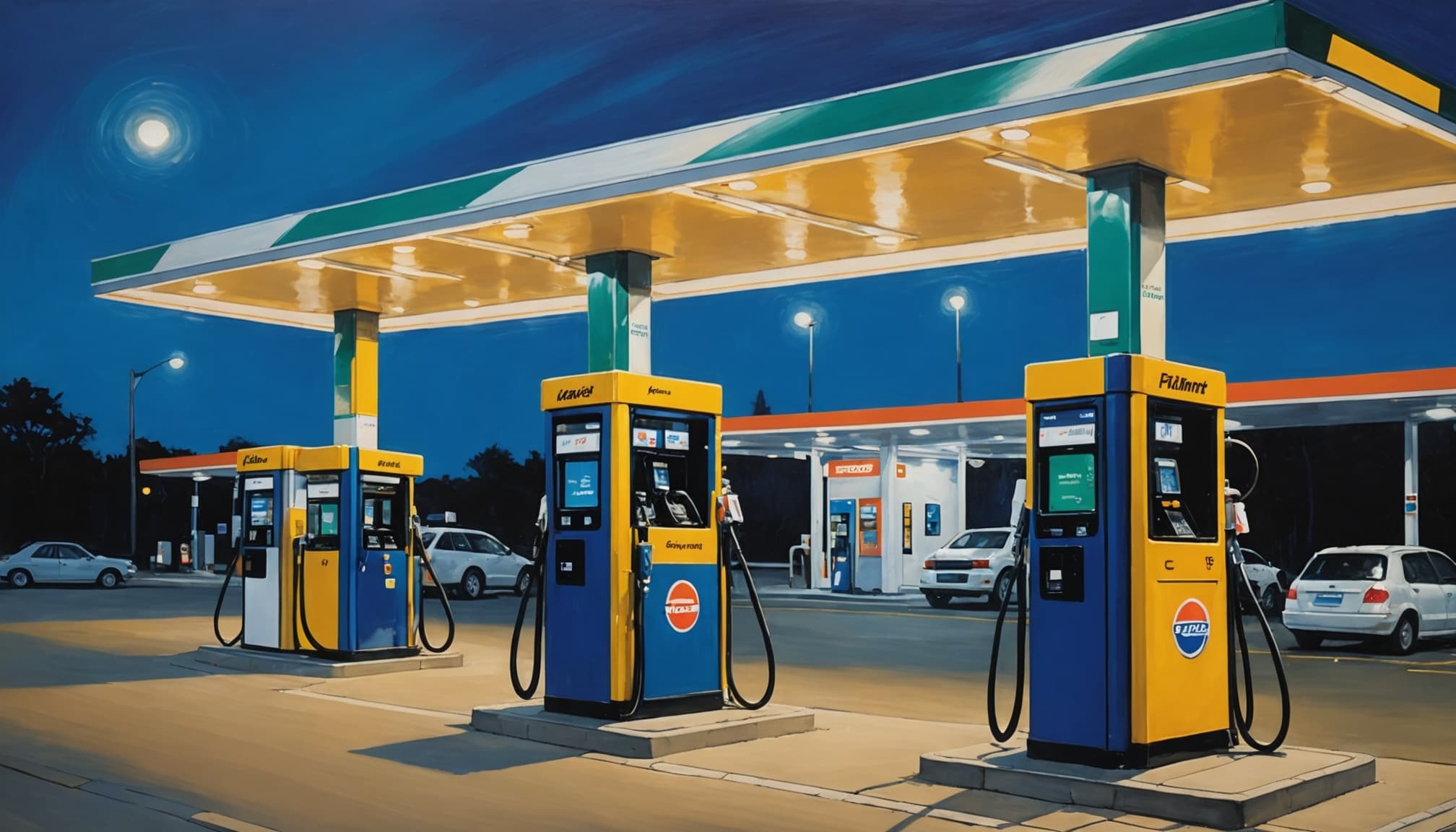
IOC, BPCL, and HPCL already operate separate chambers for 95-octane petrol at their retail outlets. This existing infrastructure substantially reduces rollout costs to approximately ₹1,700-2,550 crore for one-time modifications and ₹800-1,200 crore annually for incremental operations. The payback period is estimated at just 1.5-3 years. This strategy also accelerates deployment—premium outlets can begin offering E10 within 0-3 months compared to 12-18 months for a standalone network. InvestorPresentations +1
Revenue and Margin Dynamics
Premium fuels currently command a price differential of approximately ₹8-13 over regular petrol. IOC's XP95 retails around ₹101.80 per litre, BPCL's SPEED at ₹111.68-113.77, and HPCL's Power95 at ₹110.25-112.60.
Ethanol costs roughly ₹57.97-71.86 per litre depending on the feedstock, compared to petrol's higher cost. Reducing ethanol content from 20% to 10% increases fuel costs by approximately ₹2.71-3.00 per litre. However, maintaining premium additives—combustion improvers, detergents, and corrosion inhibitors—costs an additional ₹0.23-0.37 per litre. The net production cost increase is around ₹2.94-3.37 per litre.
The Premium Fuel Growth Story
Premium fuel sales have grown from 4% to 15% of total petrol sales, driven by vehicle premiumization, rising performance awareness, and income growth. Luxury and premium SUV sales have grown at 18-30% CAGR since 2020, creating a natural market for 95-octane fuels. Older vehicle owners, particularly those with vehicles aged 8-12 years, show high price elasticity but also significant concern about E20 compatibility. This segment represents a substantial migration opportunity—analysts project 35-50% adoption of E10 premium fuels among older vehicle owners over 24-36 months. The 15% premium market share provides a meaningful buffer: while margin compression on regular fuels affects 85% of sales, the premium segment's higher pricing power allows OMCs to maintain profitability while offering consumer choice.
Additive Technology and Product Differentiation
The strategic advantage of E10 premium fuels lies in the synergy between reduced ethanol content and advanced additive packages. E20's higher ethanol content can interfere with detergent effectiveness and increase water absorption, potentially affecting fuel stability. E10 allows additives to work more efficiently. Premium formulations include enhanced corrosion inhibitors specifically designed for ethanol compatibility, superior detergents for deposit control, and friction modifiers for improved efficiency. This combination delivers tangible benefits: 8-12% better combustion efficiency, 30-40% reduction in engine deposits, and 50-60% better corrosion protection compared to regular E20 petrol. The result is a differentiated product that justifies premium pricing through measurable performance improvements. InvestorPresentations +1
Energy Density and Fuel Economy Benefits
Energy density represents a critical value proposition for consumers. E20 petrol contains approximately 33.5 MJ per litre, while E10 premium delivers around 34.5 MJ per litre—a 3% improvement. When combined with enhanced combustion efficiency from additives, E10 premium offers an 8.8-10.1% total energy advantage. This translates to 13-15% better fuel economy in real-world driving conditions. For a consumer driving 15,000 km annually, this can mean savings of ₹1,500-6,750 per year, potentially offsetting the higher per-litre price. This message resonates strongly with fuel economy-conscious consumers, particularly premium sedan and SUV owners who prioritize total cost of ownership alongside performance.
Market Share Implications
The E10 premium strategy creates competitive differentiation opportunities. IOC, with its XP95/XP100 portfolio and 909 new highway outlets commissioned in FY 2025-26, is positioned to gain 4-7% market share in the premium segment. BPCL's SPEED brand, backed by 54.18 MMT domestic sales and strong refining margins of $11.74 per barrel, could capture 3-5% share growth. HPCL's Power95, supported by retail expansion from 22,022 to 25,098 outlets and alternative fuel integration, may gain 2.3-4% share. Consumer preferences between premium E10 and regular E10 will significantly impact these outcomes—performance enthusiasts and luxury vehicle owners show 75-90% preference for premium E10, while regular vehicle owners favor regular E10 by 80-85%. InvestorPresentations +3
Strategic Outlook
The petroleum ministry's evolving stance on multiple fuel streams, influenced by CEA advocacy and public concern, creates a window of opportunity for OMCs. Positioning E10 as a premium product rather than a regular fuel option offers regulatory compliance advantages—leveraging existing BIS specifications for 95-octane fuels—and consumer perception benefits through premium branding. The infrastructure leverage approach minimizes capital requirements while maximizing speed to market.
As India's fuel landscape continues evolving, the ability to offer differentiated products through existing infrastructure may become a key competitive advantage in the retail fuel market.