The quick commerce revolution that promised groceries in 10 minutes is facing its most serious challenge yet—not from competitors, but from state food safety regulators. Maharashtra's Food and Drug Administration (FDA) has been leading a crackdown that should have every online food platform in India paying attention.
This isn't just about paperwork. The violations found were serious enough to pose public health risks.
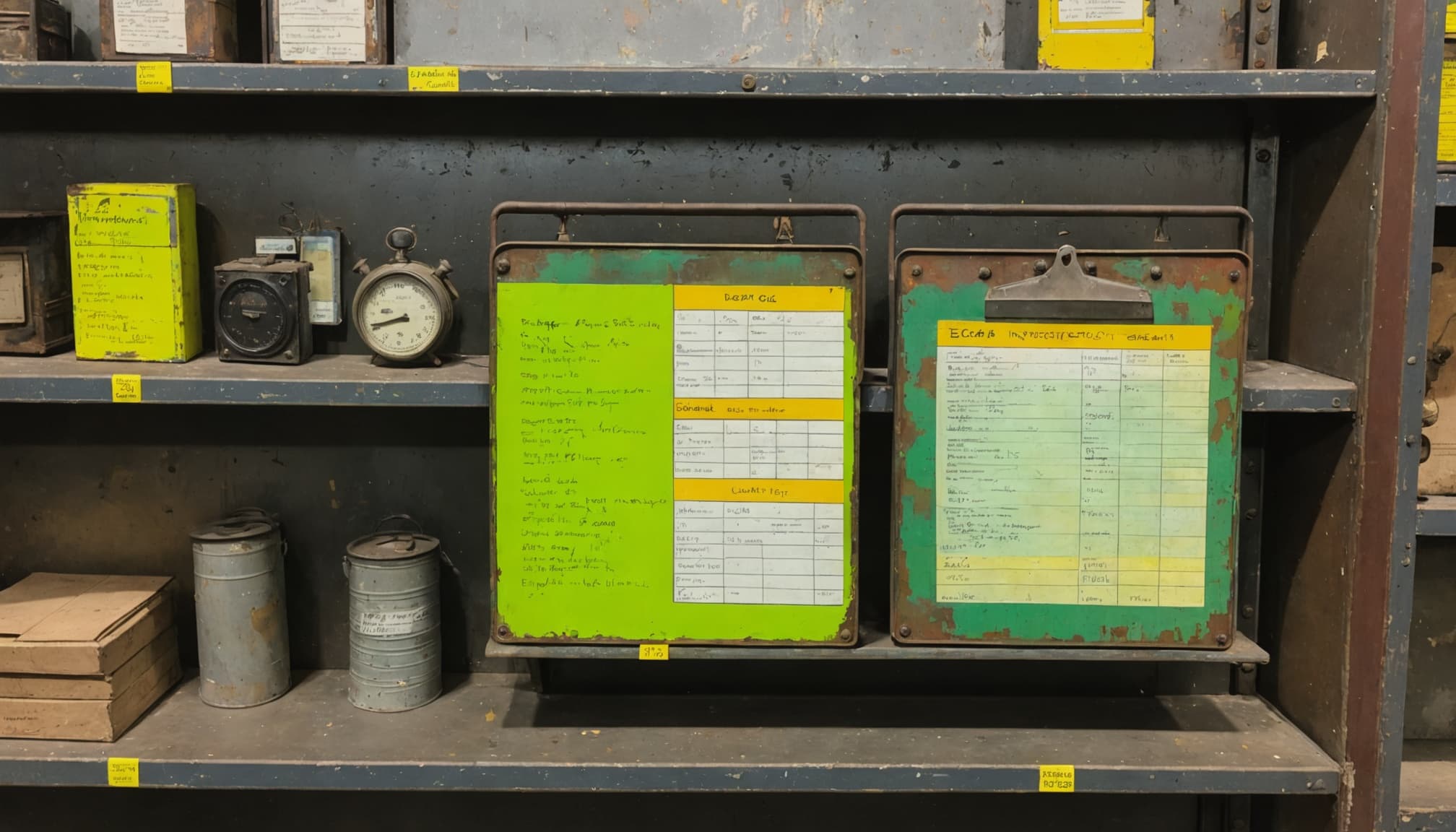
Tobacco spit stains around handwashing areas, broken tiles, garbage near unloading zones, and missing rodent traps completed the picture of neglect. At another facility, inspectors found expired cow ghee mixed with regular stock, vegetarian and non-vegetarian products stored together, and even cigarettes being sold alongside food products—something explicitly prohibited.
The Temperature Control Crisis
Perhaps most alarming were the cold-chain failures. FDA inspectors found non-vegetarian chilled products stored at 9°C instead of the prescribed maximum of 5°C, while frozen products were at minus 11°C instead of the required minus 18°C or below. A refrigerated dip that needed cold storage was found sitting on regular shelves at room temperature. When officials asked for historical temperature-monitoring records, the facilities couldn't produce them.
These aren't minor technicalities. Temperature control is fundamental to food safety. When cold chains break, bacteria multiply, and food becomes hazardous. The fact that multiple facilities across different operators showed similar problems suggests this might be systemic rather than isolated incidents.
The Pattern of Enforcement
What's particularly telling is the pattern emerging across states. While Maharashtra has been most aggressive, Karnataka's Food Safety and Drug Administration Department also sealed a major Zepto warehouse in Bengaluru's Hoskote, flagging unhygienic conditions and food safety violations. Telangana officials had raided a Blinkit warehouse back in 2024. This coordinated action across states suggests regulators are losing patience with the rapid expansion-at-all-costs model that quick commerce has pursued.
The Bombay High Court has even weighed in, criticizing the Maharashtra FDA for being too heavy-handed—using "a sword to kill a mosquito"—while simultaneously questioning why the regulator was focusing on private establishments while sparing government canteens. The court reminded the FDA that improvement notices should typically precede licence cancellations, and that licences cannot ordinarily be cancelled when an appeal is pending. This judicial pushback suggests we might see more procedural due process in future actions, but not necessarily less enforcement.
The Licensing Framework Challenge
Underlying these enforcement actions is a complex regulatory framework that e-commerce food platforms must navigate. The Food Safety and Standards Authority of India (FSSAI) has made it compulsory for all e-commerce food companies to obtain FSSAI food licenses for their entire supply chain, regardless of capacity or turnover threshold. This covers platform operators that provide listing services, manufacturers and brand owners selling directly through marketplace models, transportation providers, and storage and distribution service providers.
The requirement for a central license applies to the entire applicable supply chain—including producers, registered offices, storage units, transporters, and distributors. E-commerce Food Business Operators must submit applications in Form B on the FSSAI FoSCoS portal along with fees of Rs. 7,500 and required documents. Licenses are valid for 1-5 years and must be renewed within 30 days prior to expiry.
The Content Moderation Gap
Beyond physical facility compliance, e-commerce platforms face significant challenges in content moderation and product screening. The scale is staggering—platforms must monitor millions of product listings across thousands of sellers. Content moderation services for e-commerce involve checking if product listings are accurate and compliant with regulations, verifying product information including prices and fees, and auditing product descriptions for accuracy.
The challenges are multifaceted. Platforms need to detect counterfeit products, filter prohibited or regulated goods, prevent fraud, ensure payment security, and maintain data privacy compliance. AI can scan for keywords and detect items, but rule-based automation has limitations. Staying updated on regional laws and adjusting rules accordingly is "not as easy as it sounds". Europe's Digital Services Act, for instance, mandates platforms assess and report risks related to illegal content, with fines reaching 6% of global revenue for non-compliance.
The Trust Factor
Trust isn't just nice-to-have for marketplaces—it's make-or-break. A single scam story or safety incident can go viral, ruining a platform's reputation. Studies show that 82% of consumers have read a fake review in the past year, with 54% admitting they couldn't always spot them. When consumers can't trust that products are safe, authentic, and accurately described, the entire marketplace model breaks down.
The rise in online retail sales—41% between 2018 and 2020 across major economies, forecast to reach $7.5 trillion—has been accompanied by increased trade in illegal products online. A 2019 study found that trade in counterfeit and illegal goods stood at 3.3% of global trade, with a significant portion happening online. COVID-19 lockdowns further boosted the number of "risky sellers" offering illicit goods that threaten public health.
The Financial Stakes
Despite these regulatory challenges, the financial performance of major quick commerce players remains robust.
Consolidated net profit reached Rs. 92 crore, a 268% increase from Rs. 25 crore in the same period last year. Blinkit's segment revenue rose to Rs. 15,664 crore in Q1 FY27, compared to Rs. 2,400 crore in Q1 FY26.
This strong financial performance suggests that while regulatory actions create near-term operational pressure, they haven't yet dented the fundamental growth story. However, sustained enforcement across multiple states could begin to impact expansion plans and unit economics if compliance costs rise significantly.
The Path Forward
Platforms that invested in robust food safety systems, proper facility management, and comprehensive content moderation from the start will be better positioned. Those that cut corners to chase growth are now facing the consequences.
For consumers, this regulatory scrutiny should ultimately lead to safer food and more reliable service. For investors, it means evaluating quick commerce companies not just on growth metrics, but on their ability to operate within regulatory frameworks at scale. The platforms that balance growth with compliance will emerge stronger—those that don't may find their expansion plans permanently derailed.
The Maharashtra FDA's crackdown isn't an anomaly—it's the new normal. As other states follow suit with their own inspection drives, the entire quick commerce sector will need to elevate its food safety and compliance standards to match the expectations of regulators and consumers alike.