The Food Safety and Standards Authority of India's (FSSAI) recent crackdown has triggered a significant surge in compliance-related queries from food businesses across the country. Consultants report a 40% increase in compliance-related queries since July compared to previous months, as businesses scramble to meet stricter food safety standards. According to Business Standard, these queries range from hygiene practices and storage requirements to food preparation methods and documentation requirements. Sudhir Kalsulkar, founder of Mumbai-based Aakansha Management Consultancy, confirmed the trend, noting that the company is seeing nearly 40% more queries from restaurants seeking compliance for FOSTAC (Food Safety Training and Certification), a mandatory FSSAI requirement.
The regulatory pressure has led to a dramatic increase in training and documentation requirements across the food industry. Kalsulkar reported conducting 10-15 training sessions involving batches of around 40 people each since July, compared with typically one training session a month earlier. These training programmes focus on FSSAI regulations, hygiene standards, and sanitation protocols to be implemented at facilities. The increased demand extends beyond Mumbai, with a professional at a Delhi-NCR food consultancy firm confirming a nearly 40% increase in compliance-related queries from restaurants. The ripple effects of food regulatory authorities' actions are visible across other cities, indicating widespread industry concern about enforcement measures.
Restaurant industry leaders acknowledge the need for enhanced compliance measures while expressing readiness to bear associated costs. Amit Bagga, Delhi co-chapter head of the National Restaurants Association of India (NRAI), stated that restaurants have no problems meeting genuine compliance costs, particularly for pest control and hygiene standards. However, he emphasized that these measures must be implemented through authorized third-party vendors. The industry's willingness to invest in compliance reflects growing awareness of food safety risks, with restaurants prepared to bear costs for proper training, vendor verification, and maintaining hygiene standards. This approach aligns with the government's broader food safety enforcement campaign that has intensified nationwide.
Consumer safety concerns have reached critical levels, with recent surveys highlighting widespread issues in restaurant hygiene. According to a survey by LocalCircles, 57% of consumers have personally observed dirty dining areas, kitchens, or washroom facilities at air-conditioned restaurants in the last 12 months. More concerning, 74% of surveyed consumers believe there should be public display of hygiene ratings at restaurants and on food delivery applications. This consumer pressure has prompted proactive industry responses, with food delivery platform Zomato announcing a zero-tolerance policy on the sale of analogue dishes by restaurant partners, immediately delisting dishes containing analogue dairy that have been declared by partners. The platform's action demonstrates how regulatory pressure is driving immediate market corrections.
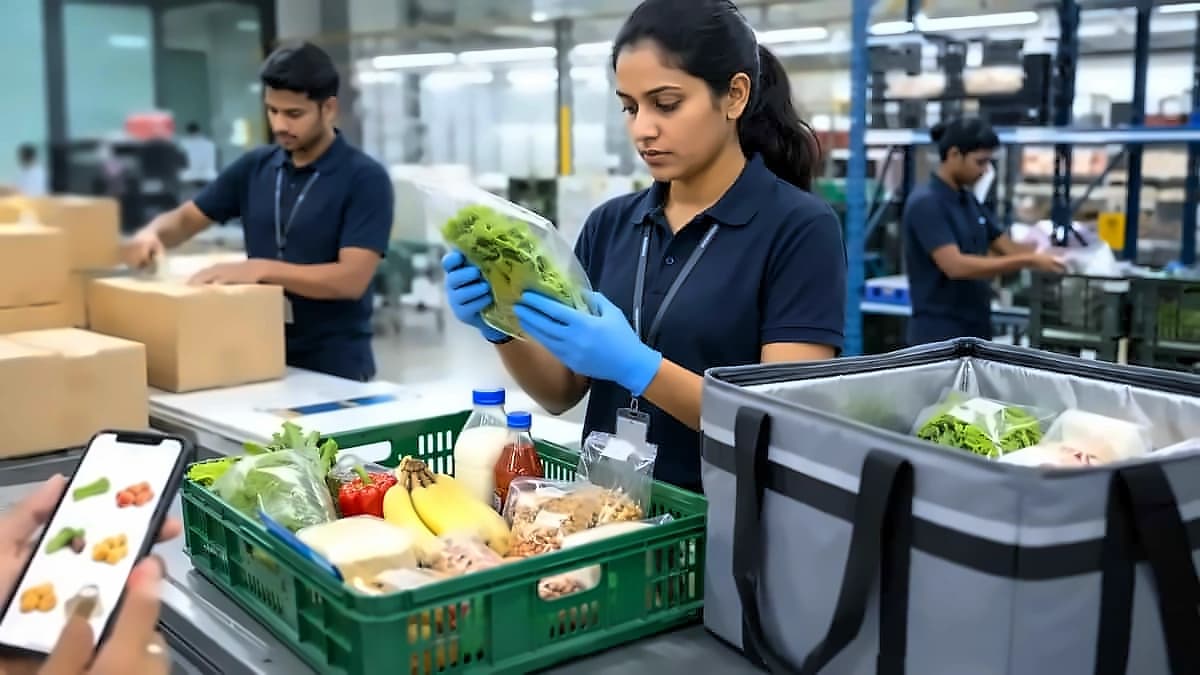
FSSAI's regulatory push extends beyond restaurants to encompass the entire food industry ecosystem. Quick commerce platforms like Blinkit, Swiggy Instamart, and Zepto have faced separate actions for hygiene violations and stocking expired products at their respective dark stores, as reported by Business Standard. Additionally, packaged food companies including Dabur India, Bournvita, and Storia Food have come under regulatory scrutiny for making misleading labels. The comprehensive enforcement approach reflects FSSAI's zero-tolerance stance on food safety violations across all sectors. This multi-pronged approach demonstrates the authority's commitment to ensuring consistent food safety standards across the entire food supply chain, from manufacturing to delivery platforms, with the September 30, 2026 deadline for e-commerce platforms approaching as part of this broader enforcement initiative.