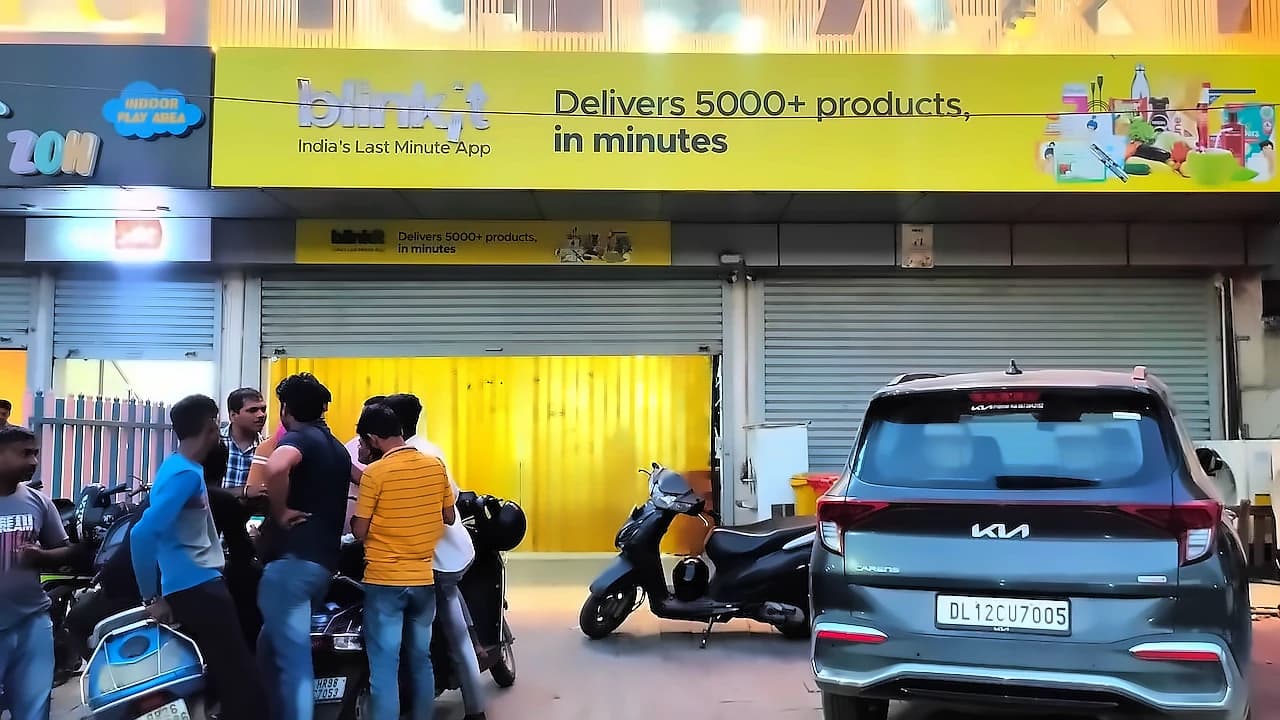
The Maharashtra Food and Drug Administration (FDA) has suspended licenses of 16 establishments including 12 quick-commerce warehouses operated by Blinkit, Zepto and Swiggy Instamart after comprehensive inspections revealed serious hygiene violations. According to reports from Reuters, Maharashtra's food safety chief Tukaram Mundhe directed officials to inspect 86 establishments as part of a broader food-safety campaign, resulting in 60 improvement notices issued alongside the 16 facility suspensions. The action highlights growing regulatory scrutiny of the sector's rapid expansion, with companies maintaining extensive networks of small fulfilment centres to position inventory closer to customers. The nationwide crackdown by FSSAI and FDA was triggered by a surge in severe hygiene failures, widespread food adulteration, viral consumer complaints, and deceptive marketing practices.
Inspections revealed several lapses across the suspended facilities, including pest infestations, spoiled vegetables, rodent droppings and inadequate hygiene practices. As reported by Reuters, one Blinkit warehouse was found to have cockroach infestations and rotten vegetables, while officials reported seeing dirty and rusted storage racks with cockroaches crawling around food items at some locations. At a Zepto facility in Nashik, delivery personnel were reportedly entering storage areas in street footwear, which the FDA flagged as a potential cross-contamination risk. The violations underscore the operational challenges of maintaining consistent standards across hundreds or thousands of facilities covering pest management, cleaning, temperature-controlled storage, and employee hygiene. Outlets of Pizza Hut, KFC, McDonald's, Subway, Burger King in Pune, Starbucks, and Monginis faced sweeping checks resulting in 95 improvement notices and temporary closure directives for select non-compliant spots.
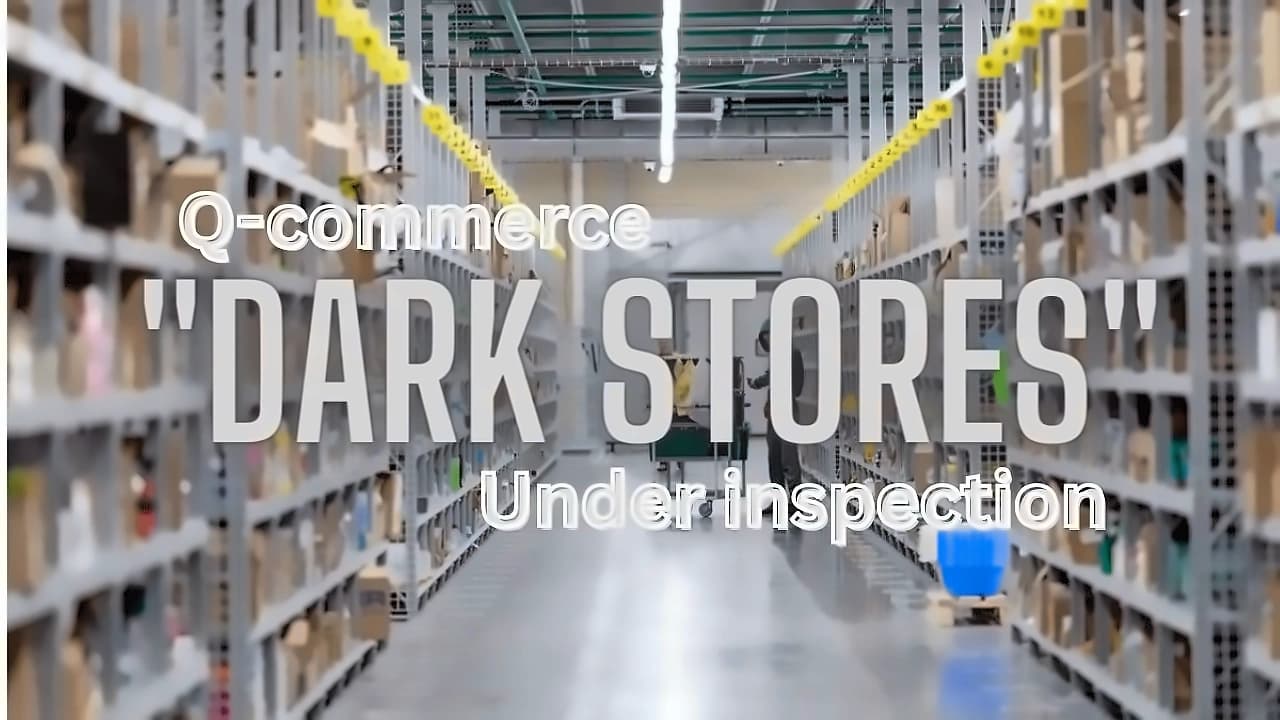
The latest enforcement action has put the $13 billion quick commerce sector under intense scrutiny, which has over the years raised billions of dollars of foreign capital and companies clocking 9 million daily orders. According to Reuters, Swiggy and Zepto have roughly 1,100 delivery outlets each in India, and Blinkit has 2,200, according to Datum Intelligence. The raids have generated widespread public frustration, with consumers expressing shock at the FDA pictures posted by local media. "About damn time. A city wide crackdown in all quick e-commerce warehouses is needed," wrote Nolan Lucano D'souza on social media. The enforcement action comes after Mundhe's department shut four Domino's outlets, a brand that is India's biggest fast-food chain and typically considered to have stricter safety protocols.
The regulatory crackdown has extended beyond retail operations to manufacturing companies, with licenses of 10 manufacturing firms permanently cancelled over severe quality-control and manufacturing standard violations under the Drugs and Cosmetics Act. The Maharashtra food regulator has also suspended license of Parle Agro's key distribution warehouse in Chembur, Mumbai, after expired stocks of Frooti, Appy Fizz, and Candy Juice were seized. Meanwhile, the authority issued show-cause notices to celebrities such as Shah Rukh Khan, Ajay Devgn, and Tiger Shroff over their endorsement of a cardamom campaign alleged to act as a surrogate front for promoting banned pan masala products. The Food Safety and Standards Authority of India reported that six companies have taken corrective actions after warnings from the FSSAI, with measures entailing the withdrawal of misleading claims and updates to product packaging.
Several restaurants and food operators have approached the Bombay High Court and its benches in Nagpur and Aurangabad against sudden license suspensions by FDA Commissioner Tukaram Mundhe. However, courts have stayed or reversed suspensions in multiple cases, noting that spot-suspensions without due process are harsh unless an immediate public health emergency exists. The 2026 Google-Deloitte report estimates India's ecommerce market could reach $250 billion by 2030, with quick commerce reaching $50 billion and about 70 million shoppers, with tier 2 and smaller cities accounting for around 30% of quick-commerce spending. For quick-commerce operators, the action could lead to greater scrutiny of infrastructure and processes behind their rapid-delivery model, with companies facing pressure to strengthen pest-control programmes, sanitation protocols, storage systems, and employee training.