This isn't just big spending; it's a strategic statement. The group invested over 30% of India's entire new private sector capex during the year, and nearly 80% of that money flowed into core infrastructure spanning energy, utilities, transport, and logistics.
What's particularly striking is where this money is going. Adani is making two massive bets that could reshape India's infrastructure landscape: a plunge into nuclear power through a newly formed subsidiary, and a staggering USD 100 billion commitment to build AI-powered data centres. These moves signal a fundamental shift from traditional infrastructure builder to an integrated energy and compute powerhouse.
The Nuclear Power Play
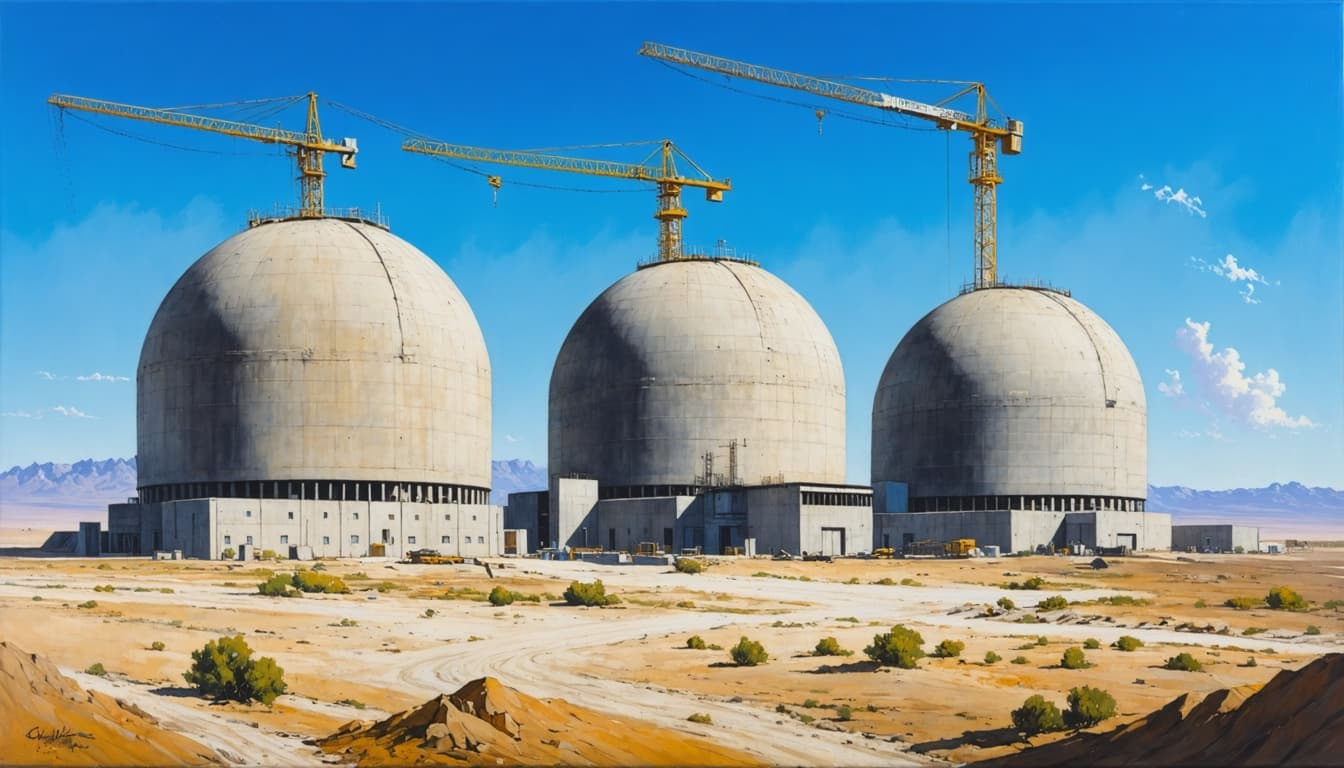
In February 2026, Adani Power incorporated Adani Atomic Energy Ltd as a wholly-owned subsidiary. This came right after Parliament passed the SHANTI Act, which opened India's nuclear sector to private players for the first time. The group is targeting 30 GW of nuclear capacity—ambitious considering they currently operate 18.2 GW of thermal power.
Why nuclear? It solves a critical problem in renewable energy: intermittency. Solar and wind are great, but they don't work when the sun isn't shining or the wind isn't blowing. Nuclear provides that steady baseload power, running at 90%+ capacity factors compared to 20-35% for renewables. It also eliminates fuel price volatility since uranium costs are far more stable than coal or gas prices.
But this bet comes with serious risks. Nuclear projects are notorious for cost overruns and delays—historically 40-100% over budget with significant timeline slippage. The regulatory approval process is complex, involving multiple agencies including the Atomic Energy Regulatory Board. Construction costs run ₹15-20 crore per MW, compared to ₹3-4 crore for solar. The payback period stretches to 10-15 years versus 5-7 years for renewables.
The market has noticed this execution risk.
The AI Infrastructure Revolution
Even more audacious is the USD 100 billion commitment to build green-energy-powered AI data centres by 2035. This isn't just about slapping some servers in a building—it's about creating an integrated energy-compute ecosystem where renewable power generation, transmission infrastructure, and hyperscale AI compute are developed in parallel.
The group is building on its existing 2 GW national data centre platform, expanding toward a 5 GW target. Strategic partnerships with Google for a gigawatt-scale campus in Visakhapatnam, and with Microsoft for facilities in Hyderabad and Pune, provide credibility and reduce execution risk.
The group expects this investment to catalyze an additional USD 150 billion across server manufacturing, cloud platforms, and supporting industries, creating a USD 250 billion AI infrastructure ecosystem over the decade.
The Power Sector Expansion
Beyond these futuristic bets, Adani is doubling down on traditional power. The group announced ₹2 lakh crore of capex in the power sector, aiming to reach 45 GW capacity over the next five years from the current 18.2 GW. This includes partnerships with Bhutan's Druk Green Power Corporation for 5,000 MW of hydroelectric projects.
The market's reaction to this announcement was telling. Diamond Power Infrastructure, a key Adani vendor, saw its shares rise 2% immediately after the announcement. The company has already secured significant orders from Adani Green Energy and Adani Energy Solutions, including a ₹748 crore order for solar cable supply and a ₹276 crore letter of intent for the Khavda project. This near-term revenue visibility makes Diamond Power a more immediate beneficiary than Adani's own strategic ventures.
Financial Discipline Amid Aggressive Expansion
What's remarkable is that Adani is pulling off this investment spree while actually strengthening its balance sheet.
Borrowing costs have declined to 7.8% from 9% two years ago, supported by consistent rating upgrades. All Adani assets now carry domestic ratings of A- or higher.
The group generated record EBITDA of ₹94,834 crore in FY26, up 5.6% year-on-year. Core infrastructure businesses contributed 87% of earnings, with Adani Ports & SEZ posting EBITDA of ₹25,228 crore, Adani Power ₹23,321 crore, Adani Green Energy ₹12,075 crore, and Adani Energy Solutions ₹8,726 crore. Cash at year-end stood at ₹55,852 crore, equivalent to 15% of gross debt.
This financial resilience is crucial because Adani faces ongoing regulatory scrutiny. SEBI continues investigations into various aspects of the group's operations following the Hindenburg Research allegations in 2023. Five offshore funds named in that report challenged SEBI at the Securities Appellate Tribunal in June 2026. Yet despite this overhang, the group has maintained its investment momentum and even improved its cost of capital.
The "Accelerating Infra, Leveraging Intelligence" Theme
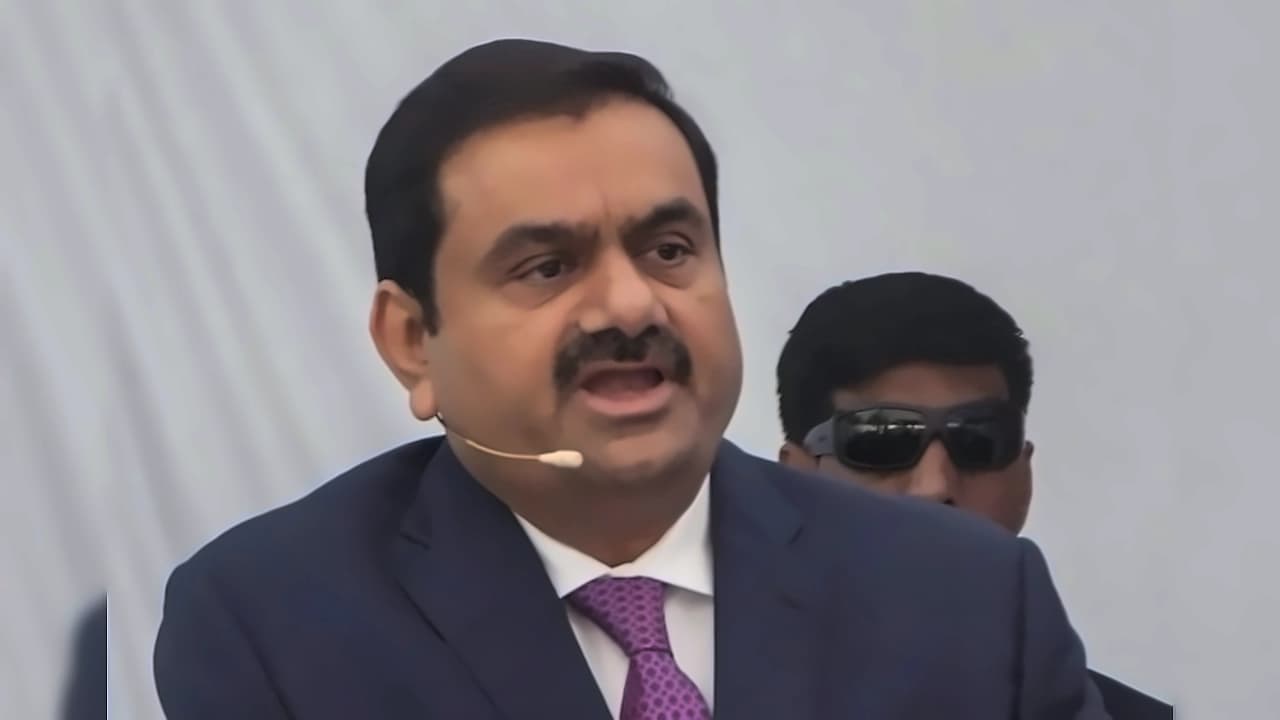
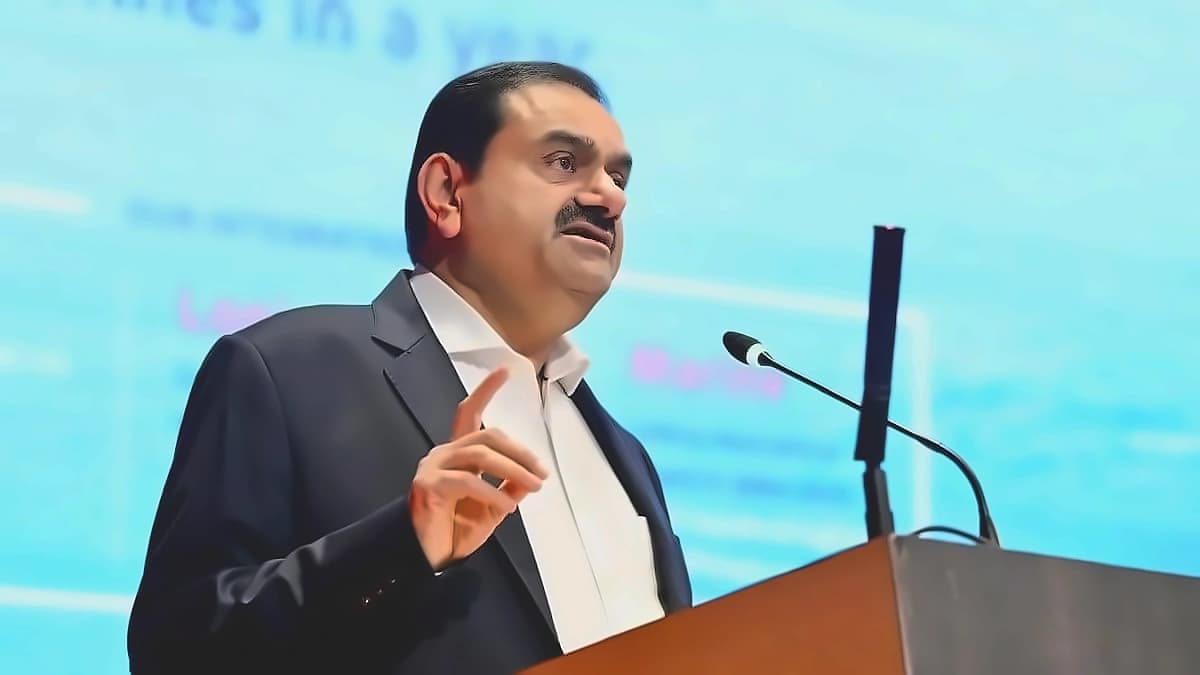
Gautam Adani articulated the core philosophy at the AGM: "Infrastructure and intelligence are no longer separate priorities. They are the twin engines that will shape India's strength". This theme is shaping capital deployment across all business verticals.
Adani Ports handled 500.8 million tonnes of cargo in FY26 and is targeting one billion tonnes by 2030, while expanding AI-led transformation partnerships. Adani Energy Solutions has crossed 1 crore smart meters installed with an order book of 2.5 crore against a national opportunity of 10.3 crore. The group is embedding agentic AI across logistics, ports, and industrial corridors aligned with the PM Gati Shakti program.
This integration creates operational efficiencies. AI-enabled predictive maintenance can reduce unplanned downtime by 30-50%. AI algorithms can improve plant efficiency by 2-5%. Smart grid analytics can reduce transmission losses by 1-2 percentage points. These improvements directly translate to margin expansion.
Market Perception and Value Creation
The market is interpreting these announcements with nuance. Diamond Power's 2% share price rise reflects confidence in near-term value creation through proven vendor relationships.
Value creation will follow a stair-step pattern as execution risks are retired. Near-term catalysts include commissioning FY26 capex projects and demonstrating AI integration benefits. Medium-term triggers involve securing nuclear approvals and commissioning the first AI data centres. Long-term value realization comes from delivering the first nuclear project and achieving AI infrastructure scale.
Adani's ₹1.5 lakh crore FY26 capex achievement provides credibility for near-term execution. The nuclear and AI announcements represent long-term option value that will only be realized through demonstrated capability. The group is essentially buying a call option on India's energy and digital transformation—with the premium being the massive capital commitment and the strike price being successful execution.
If they pull it off, Adani won't just be building infrastructure—they'll be building the backbone of India's future economy. That's a bet worth watching.