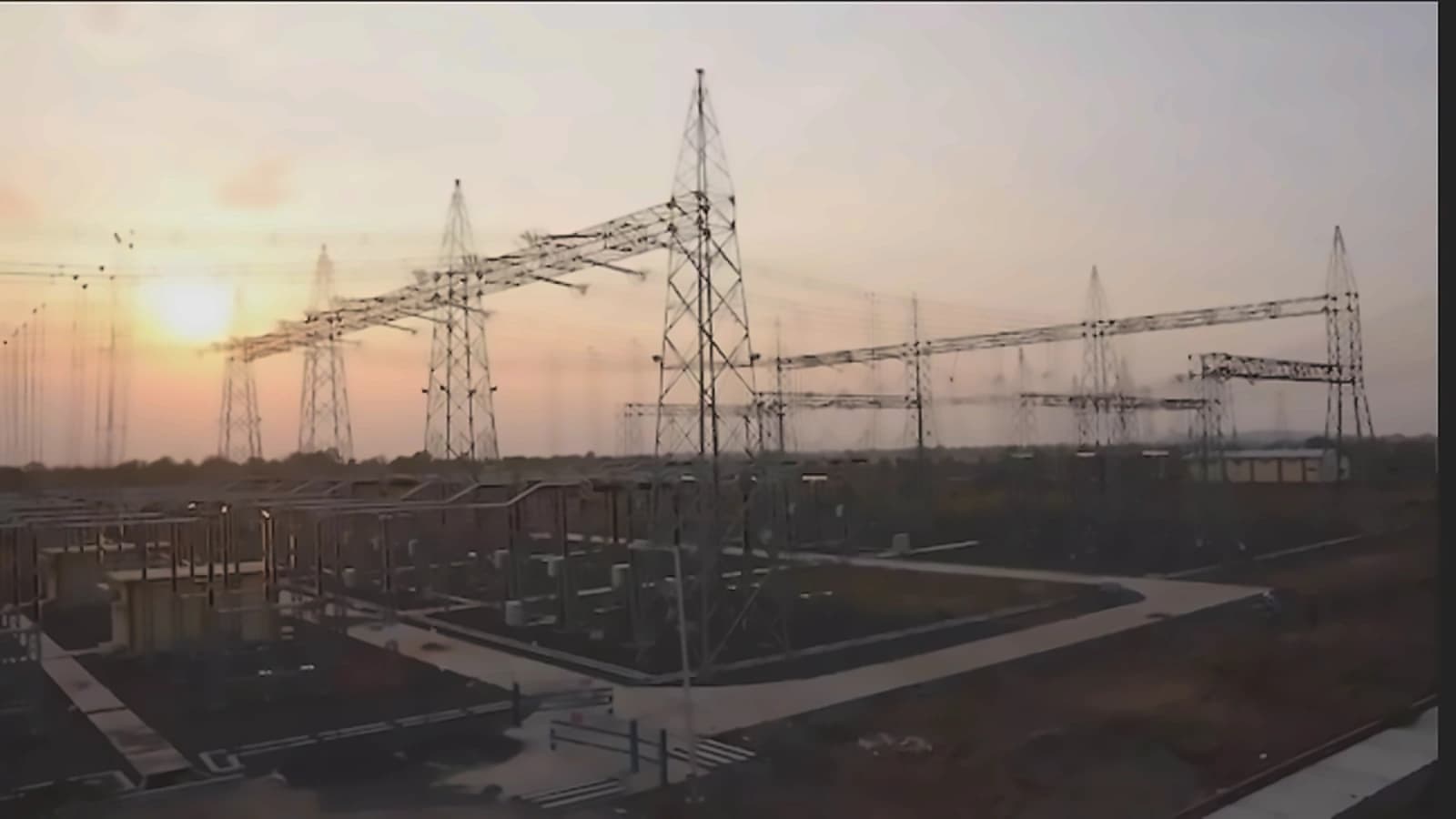
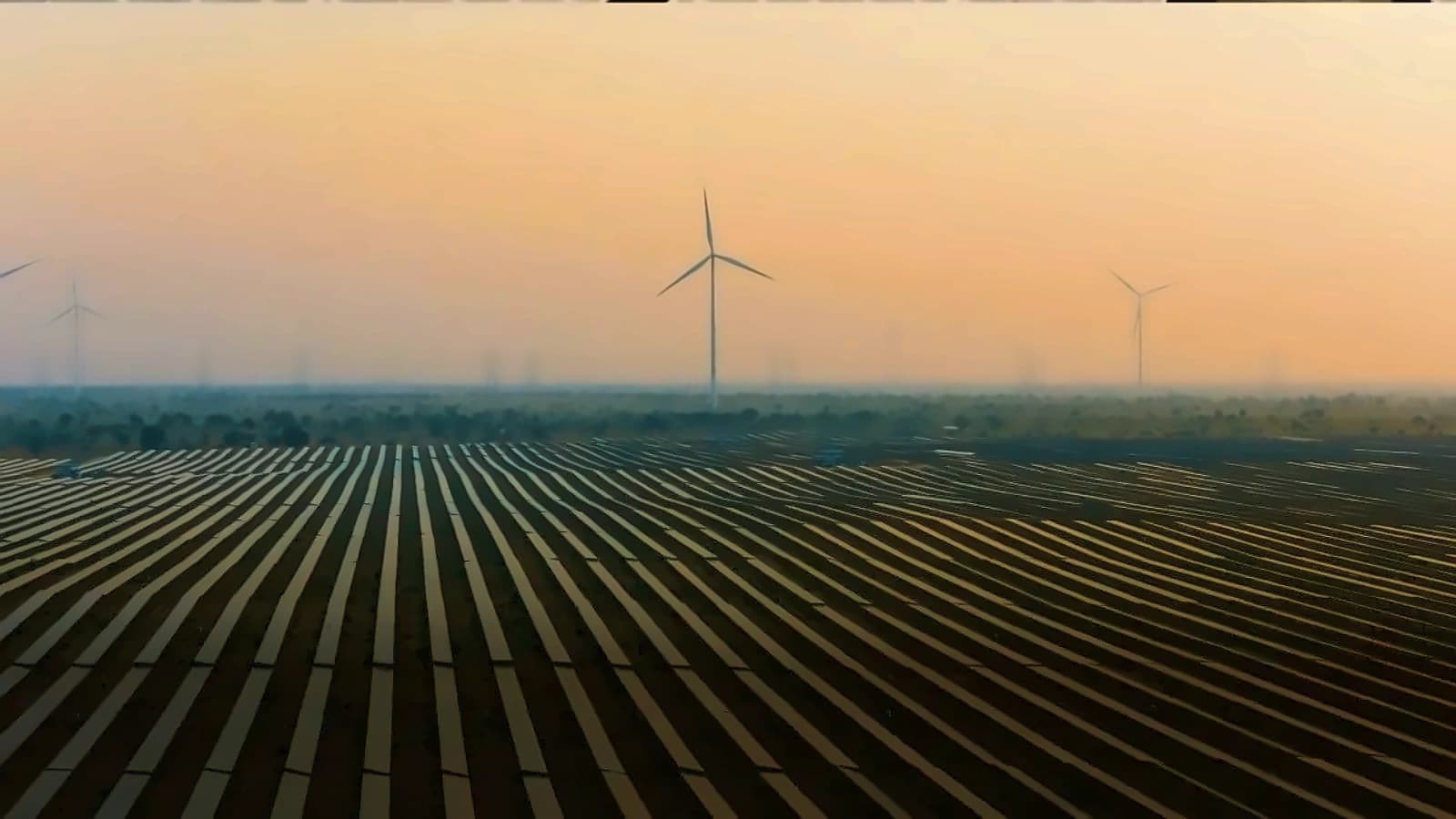
Adani Power is undertaking a capital expenditure programme of over ₹2 trillion and aims to expand its generation capacity to 45 gigawatts over the next five years, as announced by Adani Group Chairman Gautam Adani at the group's annual general meeting. According to reports from Business Standard, this represents what Adani described as India's largest ever private sector power capex programme. The company has locked in nine brownfield expansions and four greenfield projects as part of its expansion plan, with land availability and power purchase agreements secured for 13,320 MW of capacity. The planned expansion includes 23,720 MW of thermal power capacity by FY32 through brownfield and greenfield projects, comprising 22,400 MW through 12x800 MW ultra-supercritical projects and 1,320 MW through 2x660 MW supercritical projects. Construction of 7,720 MW of capacity is currently underway, including brownfield expansions at the Mahan, Raipur and Raigarh sites and greenfield projects at the Mirzapur site, with the company's current installed capacity at 18,330 MW.
Beyond power generation, the Adani Group is pursuing multiple energy-related initiatives across different sectors. As reported by Business Standard, the group has partnered with Bhutan's Druk Green Power Corporation to jointly develop 5,000 megawatts of hydropower projects in the Himalayan nation, with the company developing 5 GW of hydroelectric power capacity in Bhutan to supply electricity to both countries. In a major strategic shift, the company has announced its entry into the nuclear energy sector through Adani Atomic Energy, with the company targeting 10 GW of nuclear power capacity by 2035. According to Livemint, speaking to shareholders at the annual general meeting, Gautam Adani stated that "Our entry into nuclear energy through Adani Atomic Energy is another confident step towards securing India's long-term energy future. With land identified and a 10-gigawatt targeted capacity by 2035, we are positioning ourselves early to serve the growing national demand for clean, round-the-clock power." The company has identified land for the nuclear projects and described this as a confident step towards securing India's long-term energy future.
Adani Energy Solutions has significantly expanded its transmission capabilities, with Adani Group Chairman Gautam Adani announcing a transmission order book of ₹72,000 crore at the company's annual general meeting. The company secured several major projects during the year, including the Khavda South Olpad High Voltage Direct Current (HVDC) line, which strengthens Adani Energy Solutions' position as India's only private-sector player with proven high-voltage direct current transmission capabilities. In its latest presentation, Business Standard reports that Adani Energy Solutions Ltd (AESL) increased its capital expenditure in FY26 by 1.24 times to ₹14,232 crore, including ₹8,793 crore in transmission, ₹1,883 crore in distribution and ₹3,556 crore in smart metering. As per Business Standard, AESL's transmission order book stood at ₹71,779 crore across 13 projects as of FY26, while its smart meter order book comprised 47.2 million meters across 10 projects, with the company recently acquiring one of the leading smart metering companies, IntelliSmart.
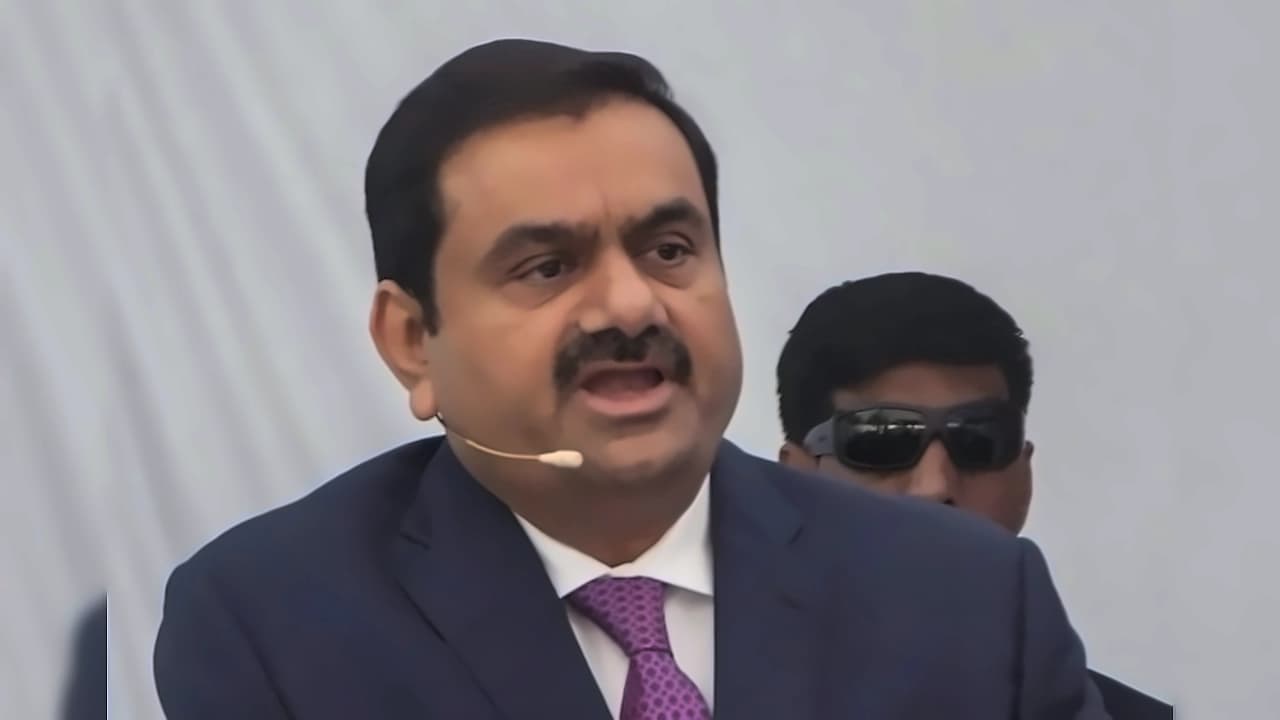
The Adani Group has made significant strategic acquisitions to strengthen its power portfolio. In FY26, the company acquired Vidarbha Industries Power's 600 MW Butibori power plant at an acquisition value of ₹4,000 crore and Jaiprakash Associates' 1,800 MW power plant in Churk, Uttar Pradesh, at an acquisition value of ₹4,194 crore, as reported by Business Standard. The group is expanding across multiple infrastructure sectors beyond power generation. According to Business Standard, Adani Total Gas has crossed 1.1 million piped natural gas home connections, with the company further ramping up PNG projects to meet India's rising demand for accessible gas amid current geopolitical situations. The group's mining services business entered into four new mine developer and operator agreements, taking its capacity to 145 million tonnes per annum, while Adani Cement's total capacity increased to 110 million tonnes per annum.
The ambitious expansion plans are supported by the group's strong financial performance in FY26. According to reports from Business Standard, the conglomerate reported consolidated revenue of ₹2.92 trillion for FY26, representing a 7.4% year-on-year increase. EBITDA stood at ₹94,834 crore while profit after tax increased 13.9% to ₹46,376 crore. The group's net debt-to-EBITDA ratio remained at 3.3x and cash flow reached ₹67,995 crore. Adani stated that these record numbers give the group the financial strength, liquidity and confidence to fund its ambitious capex plans and continue building at unmatched scale across India's core infrastructure sectors. As per Livemint, the group's investments across the energy value chain spanning clean energy tech, fuel supply, mining, power generation, distribution and transmission have been increased significantly, with the group completing a ₹25,000 crore rights issue earlier this year which Adani described as "a referendum on our credibility."