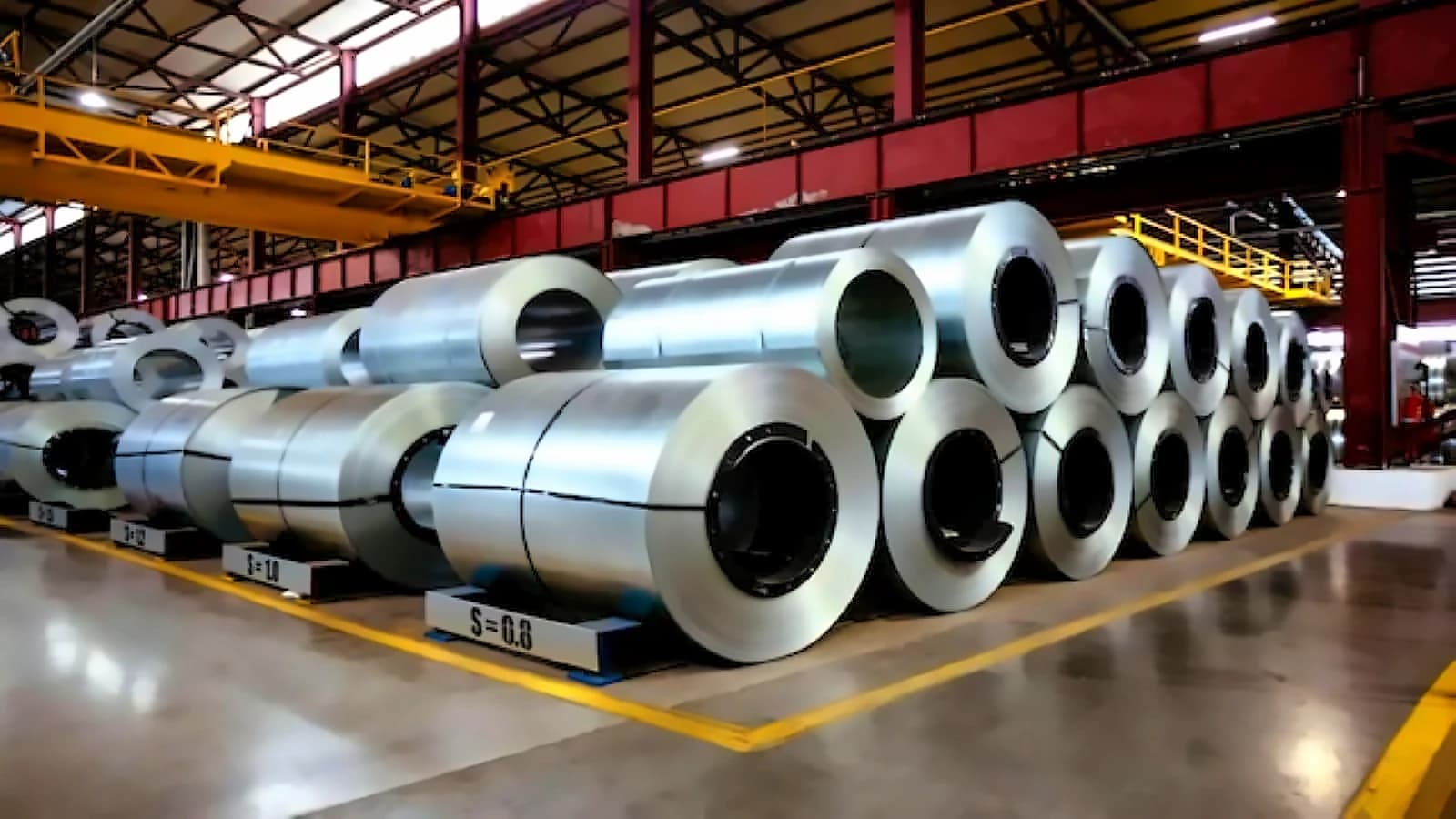
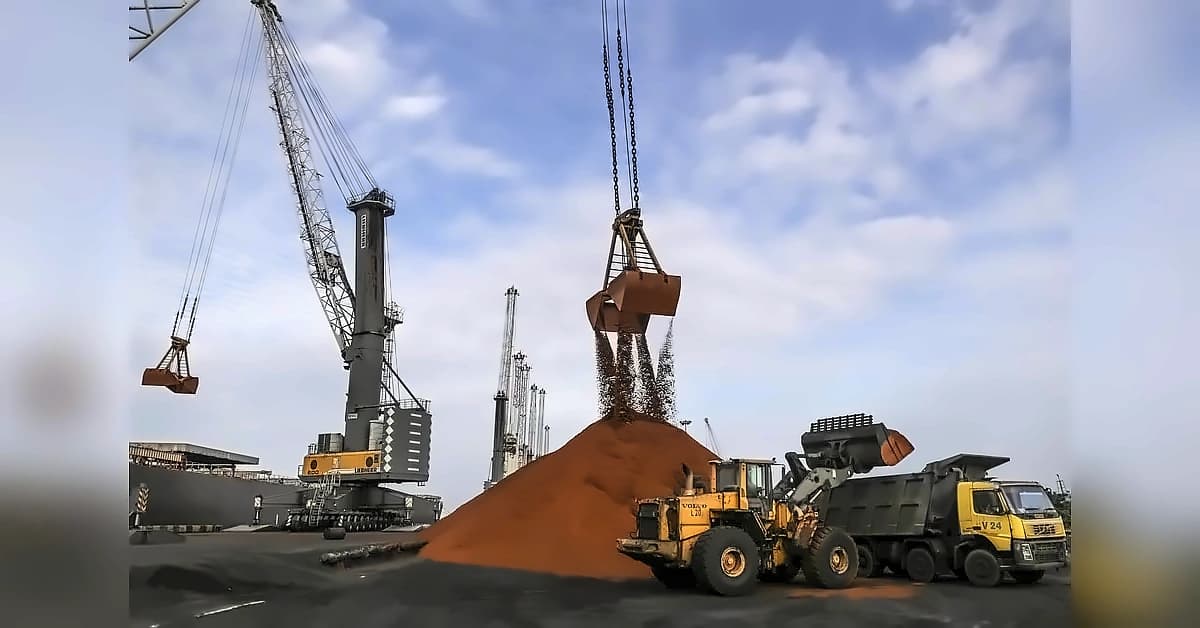
Tata Steel announced plans to invest ₹10,000 crore in its Jharkhand projects by 2028, according to latest reports from CNBC TV18. The investment will create 2,000 direct and indirect jobs as part of the company's expansion strategy. The company aims to increase India's steelmaking capacity to 40 million tonnes per annum (MTPA), up from the present 27.35 MTPA, through capacity expansion and transition to low-emitting steelmaking routes.
As reported by CNBC TV18, the investment includes ₹7,000 crore for HIsarna & Easy Melting Technology implementation by 2028. Tata Steel Chief of Corporate Communication, Sarvesh Kumar, confirmed that proposed investments also include ₹2,600 crore in expansion of the Tinplate Division and ₹1,500 crore in the Combi mill. HIsarna is a patented Tata Steel technology that enables direct iron production without conventional coke, sinter, or pellet plants, with a one-million-tonne pilot plant planned within the existing Jamshedpur ecosystem.
According to CNBC TV18 reports, the HIsarna route offers significant advantages including flexibility to use coking coals readily available in India, reducing dependence on imported coking coal and lowering raw material costs. The technology also provides significantly lower capital expenditure compared to conventional steel plant construction since several upstream facilities can be avoided. From a sustainability perspective, HIsarna emits approximately 20 per cent less carbon dioxide than the traditional blast furnace route, making production more efficient and eco-friendly.
Tata Steel has achieved significant operational milestones in recent years, including the commissioning of India's largest blast furnace at Kalinganagar, Odisha, by expanding its crude steel capacity from 3 MTPA to 8 MTPA on 20 September 2024. The company also achieved hot metal production at its blast furnace crossing 2 million tonne on 19 February 2017 at its Greenfield steel plant in Kalinganagar Industrial Complex. Additionally, Tata Steel established India's largest Coke Dry Quenching (CDQ) facility, capable of handling 200 metric tonnes per hour, at its Kalinganagar facility in June 2017.
As reported by CNBC TV18, Tata Steel currently has consolidated steelmaking capacity of over 36 MTPA across India (27.35 MT), the Netherlands (7 MT), and Thailand (1.7 MT). The company aims to increase capacity to over 50 million tonnes in the long term, with the increase mainly in India where plans include adding over 12 MT. In India, Tata Steel operates 11 MTPA steel plants at Jamshedpur and 1 MTPA at Gamharia in Jharkhand, along with 9 MTPA production capacity in Odisha's Kalinganagar.