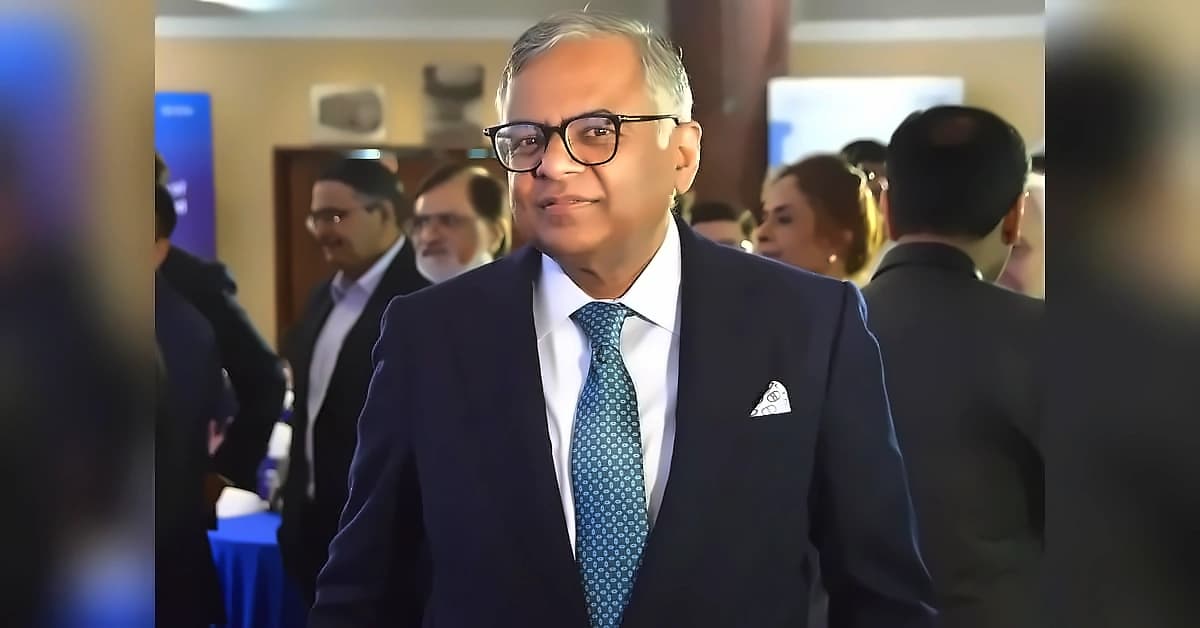
Tata Motors has become the first company in the Tata group to address future plans following the departure of N. Chandrasekaran, who announced on Wednesday he will not seek reappointment as chairman of Tata Sons. According to reports from Reuters, Chandrasekaran, 63, cited the board's lack of backing after tensions with the charitable arm that controls the group. His exit has raised investor concerns over stability at the sprawling conglomerate. The departure signals a pivotal transformation for the group, with Chandrasekaran's resignation letter referring to Tata's opposition to his reappointment, which is unlikely to have eased already stressed ties.
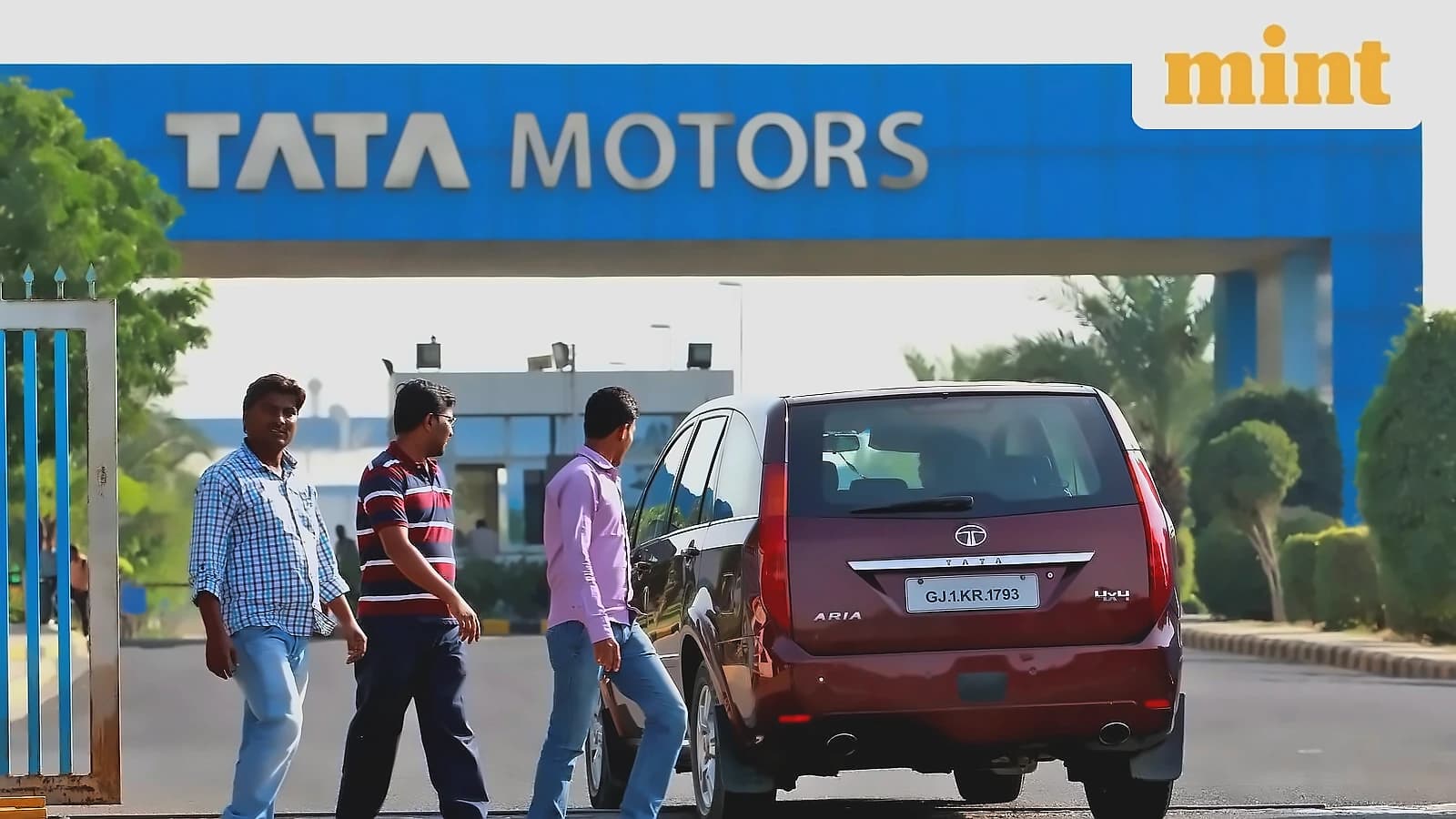
Despite the leadership transition, Tata Motors has confirmed its investment approach will remain consistent. As reported by Reuters, MD and CEO Shailesh Chandra stated during a post-earnings call that the company has a clear strategy and strong management team focused on execution. The automaker recently outlined plans to invest ₹330-350 billion ($3.46-3.67 billion) in its passenger and electric vehicle businesses between FY26 and FY30.
The company reported an 80% drop in first-quarter profit, primarily impacted by supply chain constraints at its luxury Jaguar Land Rover unit and rising raw material costs. According to Reuters, higher commodity prices hurt margins in the first quarter, with management warning that cost pressures would persist through the second quarter. Total quarterly revenue rose to ₹957.99 billion on a consolidated basis, compared to ₹876.77 billion a year earlier, exceeding analyst expectations of ₹934.28 billion.
JLR, which contributes about 80% to Tata Motors PV's topline, continued facing supply constraints including a fire at a major components supplier, Middle East-related disruptions, and planned wind-down of outgoing Jaguar models. As reported by Reuters, the luxury unit's volumes were weighed down by these challenges. However, the company reiterated its target of achieving £1.7 billion ($2.29 billion) in cost savings at JLR over the next two years.
The company's domestic business, selling popular SUV models like Nexa and Punch in India, demonstrated strong performance with volumes rising 48% year-on-year in the first quarter ended June 30. According to Reuters, this growth was driven by strong demand for newly launched models and electric vehicles. Additionally, Tata Motors stated it had not received any reports of vehicle failures linked to ethanol-blended fuel amid ongoing debate over federal policy changes regarding petroleum imports and ethanol blending in petrol.