


Indian sugar mills' operating margins are expected to fall 140-160 basis points this fiscal, with margins forecast to decline to around 6%, according to Crisil Ratings. Despite a projected 4-5% growth in operating income supported by steady sugar demand and firm realisations, the profitability squeeze is attributed to government restrictions on ethanol production and rising cane costs.
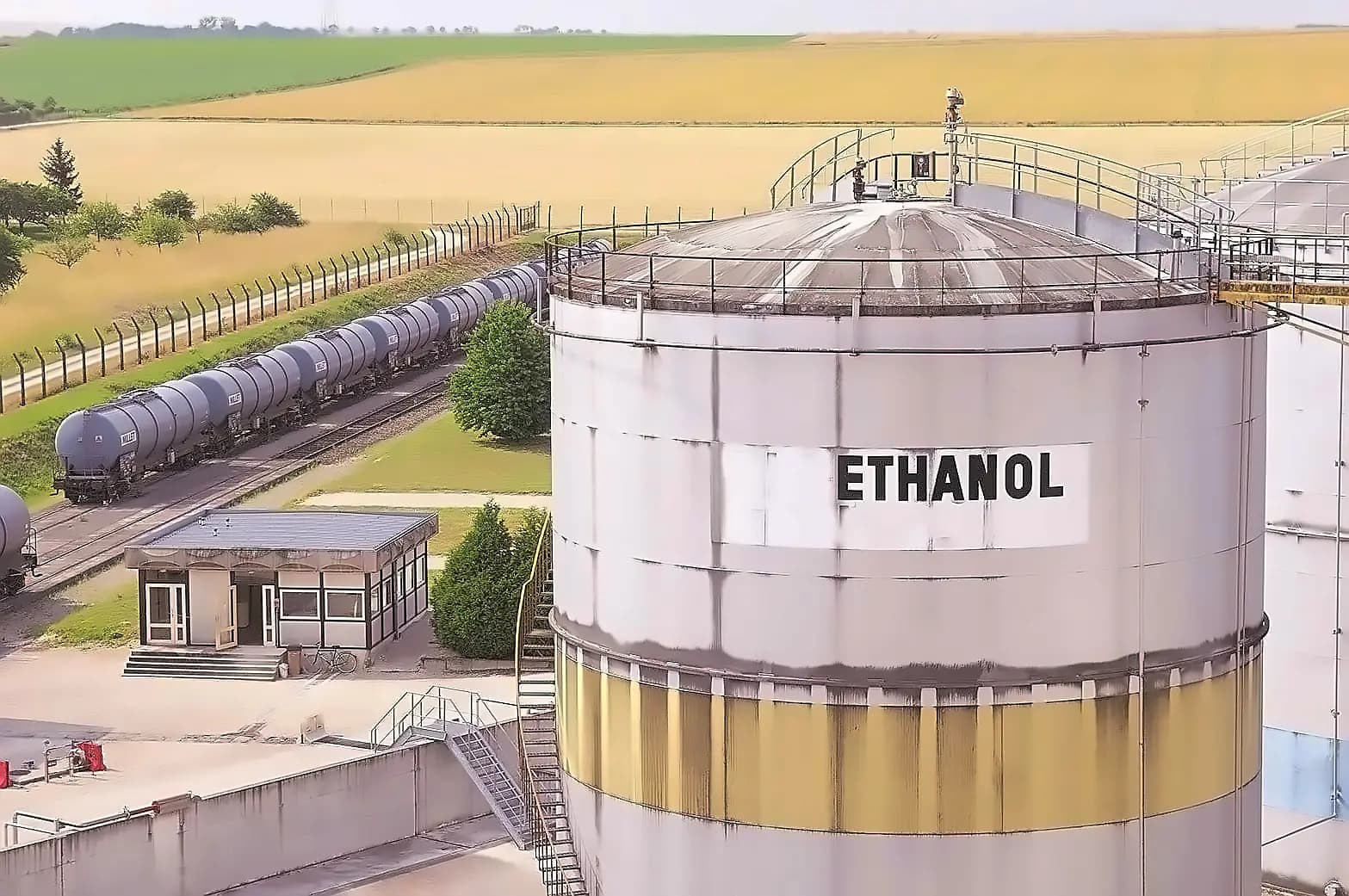
The pressure follows government restrictions on ethanol production from sugarcane juice, sugar syrup and B-heavy molasses for the 2027 ethanol supply year. As reported by Crisil Ratings, the Government of India has issued directions that sugar diversion for ethanol be reduced to zero for ethanol supply year 2026-27. The tender document issued on behalf of OMCs stated that no offers have been sought for ethanol produced from sugarcane juice, sugar or sugar syrup and B-heavy molasses in this quantity bid tender.
In recent years, mills routinely diverted nearly 10% of gross sugar production towards ethanol production. The shift away from higher-margin ethanol sales will be compounded by rising cane procurement costs, as the fair and remunerative price (FRP) of sugarcane has been raised by around 3% to ₹365 per quintal for the 2027 sugar season. Any increase in Uttar Pradesh's state advisory price (SAP) would add to the cost burden, according to Crisil Ratings.
India's gross sugar production is expected to decline to around 29 million tonnes in the 2027 season from 31.1 million tonnes a year earlier, primarily due to weather-related concerns affecting cane yields in key producing states. The government has permitted imports of 1 million tonnes of sugar during August-December 2026 to address supply concerns, marking India's return to sugar imports after nearly a decade. Mills are expected to rely more on sugar and extra neutral alcohol (ENA) sales, which offer lower margins compared to ethanol production.
The pressure on profitability is expected to weaken the sector's credit metrics, as higher sugar prices inflate inventory values and increase working-capital requirements. Combined with higher interest costs and weaker operating earnings, this is expected to reduce debt-servicing capacity. According to Crisil Ratings, the sector's outlook for fiscal 2028 will depend on sugar prices relative to cane costs, ethanol pricing and monsoon performance.