Skoda Slavia facelift production has begun in India with an expected price range of ₹10.25 lakh to ₹19 lakh, as reported by Autocar India. The updated sedan is set to receive new features, improved comfort and a revised automatic transmission option. The entry-level Classic manual variant is expected to start at ₹10.25-10.50 lakh, while mid-range Classic Plus, Signature and Sportline trims could be priced between ₹12 lakh and ₹16.50 lakh. Top-spec Prestige and Monte Carlo variants are expected to cost around ₹18.50 lakh to ₹19 lakh. The official price announcement is scheduled for October 6, 2026, with the updated model featuring a 1.0-litre TSI petrol engine with new 8-speed torque-converter automatic gearbox, while the 1.5-litre TSI engine will retain the 7-speed DSG unit. Key upgrades include 360-degree camera, 10.1-inch touchscreen and rear-seat massage functionality.
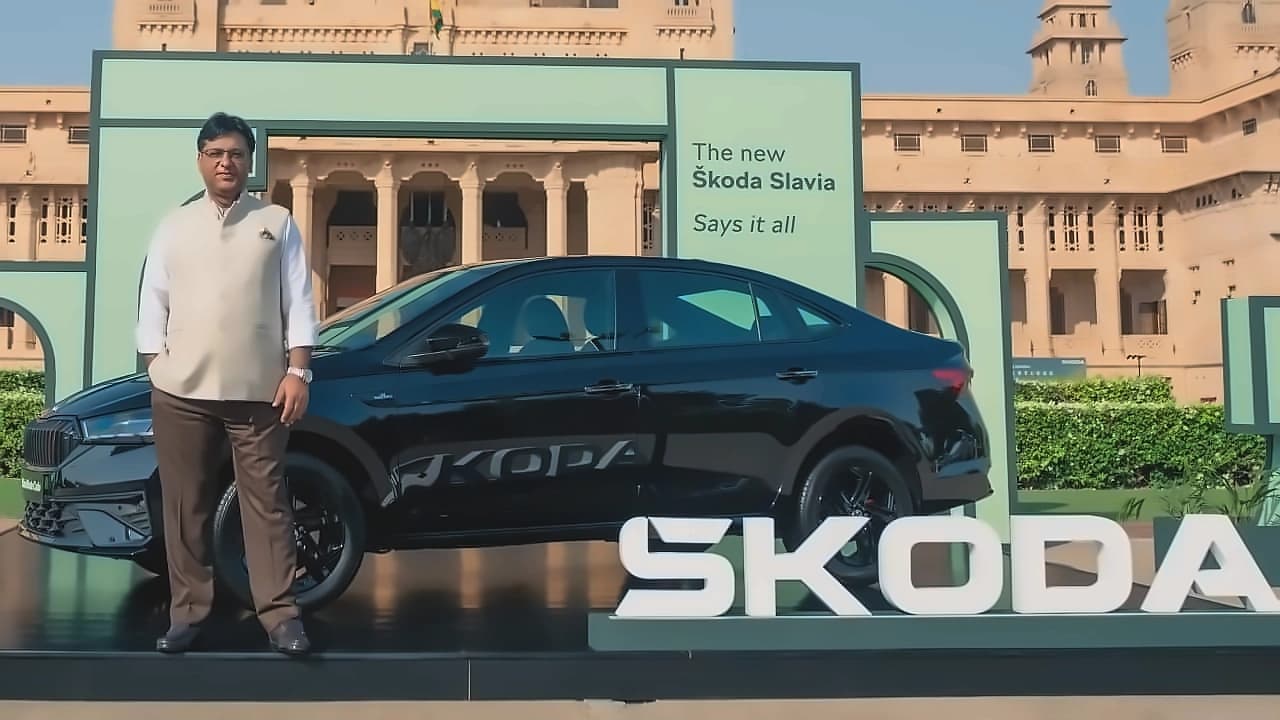
According to Ashish Gupta, Brand Director of Skoda Auto India, the company is aggressively working on introducing CNG versions of the Kylaq as part of its future powertrain strategy. As reported by Zee News, Gupta revealed that Skoda is evaluating multiple powertrain options including CNG for the Kylaq while also planning to bring its global portfolio of electric cars to India from 2027. The company will then follow up with volume-focused electric cars after introducing its global EVs to the country. Skoda is considering CNG for its 1.0-litre turbo engine, with the Kylaq, Kushaq and Slavia being possible candidates for the new powertrain, as confirmed by Autocar India.
According to Gupta's interview with Zee News, Skoda currently sells petrol-powered models in India, while diesel continues to have a role in its larger vehicles. The company does not plan to introduce diesel engines in small models like the Kushaq, Slavia or Kylaq, but diesel remains relevant for bigger vehicles. Gupta stated that on the bigger cars, diesel still continues to be relevant and mentioned the upcoming return of the diesel-powered Superb, which will serve as an important test for customer response to diesel powertrains in larger models. The company has announced a 1.2% price hike across its lineup from October 1, 2026, which could affect the facelift's final pricing.
As reported by Zee News, Gupta expressed positive sentiment about the upcoming festive season, noting that the trends are quite positive for the Indian passenger vehicle market. He pointed to a strong August performance and indicated that September is also looking positive, while October to December typically remains the strongest period for the Indian market. The overall passenger vehicle market had grown by around 23% year-to-date through August, though Gupta expects the pace of growth to slow due to high base comparisons with the previous year's GST changes. The updated Slavia will compete with the Volkswagen Virtus, Honda City and Hyundai Verna in India's midsize sedan segment, with the expected price range of ₹10.25 lakh to ₹19 lakh positioning it below all three rivals at the entry level.
According to Gupta's interview with Zee News, Skoda is growing faster than it did last year, with the brand's sales up around 8% year-to-date and expectations to end the year with 8-10% growth. The company plans to expand its SUV line-up in India while acknowledging that SUVs are an important part of future plans but not limiting options to a single body style. Gupta emphasized that sedans continue to be strong, accounting for 18-20% of monthly volumes, with the company's heritage based on sedan models including the Superb, Octavia, and Slavia. The Slavia facelift's expected top-end price would be higher than those of the Honda City and Hyundai Verna, reflecting its more powerful 1.5-litre TSI engine, DSG gearbox and expected premium features.
As reported by Zee News, Gupta warned that further price increases could come before January if input-cost pressures continue to rise. He noted that some essential commodities used as materials in cars have increased in price by around 30-35%, with manufacturers facing pressure to increase prices by 5.5-7% to maintain margins at last year's levels. Gupta stated that all manufacturers including Skoda have been very prudent in not passing on the entire cost pressures to customers, with some essential commodities increasing by 30-35% and geopolitical developments adding to uncertainty.