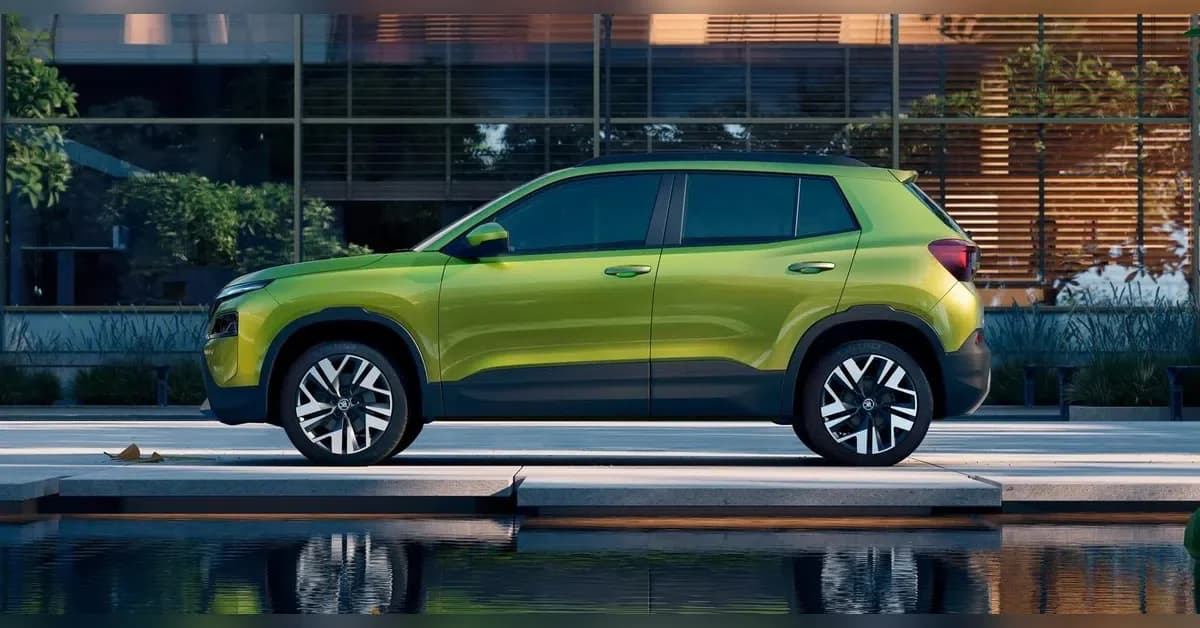
Škoda Auto India has unveiled the refreshed Slavia sedan with its first major update in four years, featuring an all-new 8-speed torque-converter automatic transmission with the 1.0 TSI engine - making it the first sedan in its segment to offer this combination. The updated model gets segment-first rear-seat massage function, a 360-degree Area View camera (first in a vehicle developed under India 2.0 programme), and a larger 10.25-inch digital cockpit with a 10.1-inch touchscreen infotainment system featuring wireless Android Auto and Apple CarPlay. The system introduces an AI-powered voice assistant based on Google Cloud's Automotive AI Agent, designed to recognize Indian English accents and control music, calls, and climate through voice commands. Pre-bookings for the new Slavia have opened at ₹15,000, with deliveries scheduled to begin around the start of the festive season.
Over the past six months, at least three foreign carmakers—Hyundai Motor India Ltd, Honda Cars India Ltd and Skoda India—have upgraded their sedan models in a bid to revive sales in a segment that accounts for less than a tenth of India's car market. According to reports from Mint, Skoda unveiled updates to the Slavia and premium Superb sedan on Tuesday, with brand director Ashish Gupta stating that a lack of new product action in the segment had contributed to declining consumer interest and that fresh products could help revive demand. The Slavia refresh comes nearly four years after the model was introduced in India as part of Škoda's India 2.0 strategy, with the sedan having crossed nearly 80,000 units in sales to date.
As reported by Mint, Skoda maintains that sedan body style is here to stay, with Gupta noting that the brand is one of the largest or very few large automakers with a very big sedan portfolio. The company's leadership believes there remains room for sedans, particularly among customers looking for design, driving dynamics, safety and premium features. Klaus Zellmer, CEO of Škoda Auto, said the Slavia had shown that sedans continue to have a strong customer base despite the dominance of SUVs, with the Slavia currently commanding close to 30% of its segment. In contrast, homegrown carmakers have taken a different approach—Mahindra & Mahindra Ltd has focused exclusively on SUVs, while Tata Motors Passenger Vehicles Ltd sells one sedan, the Tigor, and Maruti Suzuki India Ltd has just one sedan in its portfolio—the Dzire, which was the highest-selling car in 2025-26. According to industry estimates, sedans accounted for just under a tenth of the 4.7-million-unit passenger vehicle market in FY26, down from nearly one-fifth in FY19.
According to data from the Society of Indian Automobile Manufacturers (Siam), sales growth of several flagship sedan models lagged the industry's 9% growth in FY26. As reported by Mint, Honda's largest-selling sedan, the Amaze, saw sales rise 0.6% to 32,905 units, while City sales fell 34% to 7,197 units. Hyundai Verna's sales fell 36% to 9,925 units in FY26, and the cumulative sales of Skoda's two sedans, Octavia and Slavia, fell 7% to 14,478 units. However, the Slavia's strong performance in the market has helped Škoda establish itself as India's fourth-largest global market, behind Germany, the Czech Republic and the UK. The company has expanded its network to more than 190 cities and over 340 customer touchpoints, and has sold more than 250,000 locally manufactured vehicles in India, highlighting the growing role of the country in its global manufacturing and engineering network.
The Slavia refresh is part of Škoda's broader push to expand its presence in India, with the company simultaneously opening pre-bookings for a limited batch of 50 Octavia RS cars and announcing plans to bring back the Superb with a diesel powertrain, with deliveries expected by the end of the second quarter of 2027. According to Mint reports, SUVs' share more than doubled from about a fourth to over half of the market, while Society of Indian Automobile Manufacturers (Siam) data showed that sales growth of several flagship sedan models lagged the industry's 9% growth in FY26. Industry experts suggest that growth in the segment will only return if top carmakers take product actions that introduce meaningful changes to their models. However, Puneet Gupta, director at Mobility Global, indicated that given that some leading carmakers are not currently competing in the sedan segment, there is a clear opportunity for others to gain share, particularly due to relatively low competitive intensity.