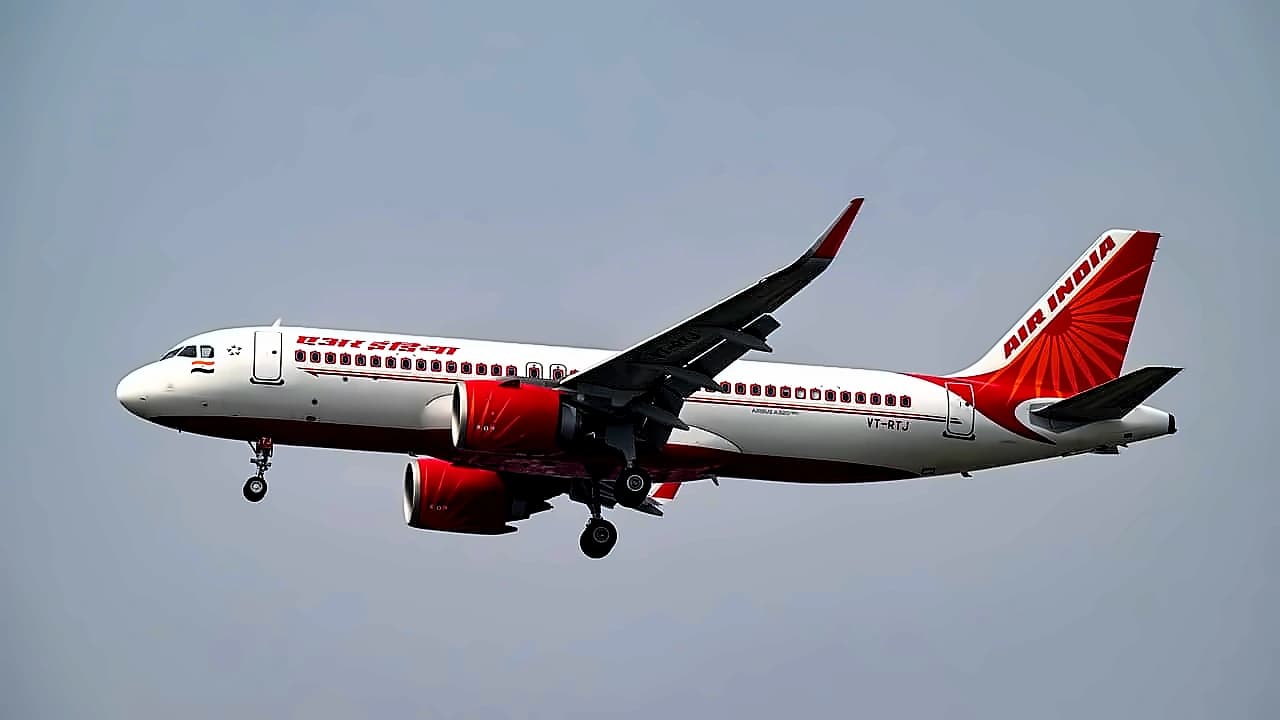
Both Air India and IndiGo have implemented significant flight reductions starting June 1, 2026, with operations scheduled to continue for 90 days through August. According to Zee News, Air India will now reduce around 20% of its domestic flights during June and July, representing a more substantial cut than the previously announced 22% reduction. IndiGo plans to cut 5-7% of its services, while Air India Express, the airline's low-cost subsidiary, will reduce nearly 10% of its approximately 340 daily flights on domestic routes. The airlines have strategically removed affected flights from booking sites to prevent passenger inconvenience during the transition period. Together with Air India Express, the airlines are expected to withdraw nearly 250 domestic flights a day beginning June.
The flight reductions are directly attributed to a sharp rise in Aviation Turbine Fuel (ATF) prices, which have escalated from ₹80,000 per kilolitre to more than ₹1 lakh depending on the city, as reported by Zee News. An Air India official explained that "it would not be financially viable to operate when ATF prices are this high," noting that the airline operates an average of 3,800 flights per week. The cost pressures have created the need for both carriers to optimize their flight schedules and capacity deployment to manage the increased operational expenses. Aviation turbine fuel prices have risen by around 25% for domestic flights, while airlines have already imposed fuel surcharges on several routes. The biggest factor behind the cuts is the sharp rise in ATF prices following the geopolitical tensions in the Middle East, with higher fuel costs significantly increasing airline operating expenses over the past few months, particularly on high-frequency routes.
The reductions will primarily affect major routes with Air India likely to reduce services from Mumbai to Ahmedabad, Nagpur, Patna and Bhopal, while flights to Delhi destinations including Hyderabad, Bengaluru and Kolkata will also be cut. As per Zee News, the reduction in international operations due to the Iran war has also had a cascading effect on demand for domestic connecting flights to hubs like Delhi and Mumbai, which has declined. IndiGo, operating 1,950 flights daily, faces similar challenges as even small percentage cuts translate into significant operational changes. Air India Express, which operates 340 daily flights, will cut nearly 10% of its domestic capacity. Most reductions affect high-frequency routes where airlines operate multiple daily flights, allowing carriers to trim capacity without suspending services entirely. Both airlines have committed to proactively assisting passengers with re-accommodation on alternative flights, complimentary date changes, or full refunds as applicable.
The flight reductions come as Air India faces severe financial pressure, with the airline reported to have accumulated a loss of ₹26,800 crore for the financial year 2025–26, representing a 12-fold increase over the loss incurred in 2024–25, according to Zee News. This massive loss will require the Tata Group to make an additional fund infusion into the airline. The airline currently operates around 4,400 weekly flights, including nearly 3,600 domestic and 800 international services. The reduction in domestic flights is expected to help cut fuel consumption, which accounts for around 40% of operational costs. Air India will continue to monitor demand and operating conditions closely, with a view to restoring frequencies as conditions stabilise, while the carrier has assured that affected passengers would be assisted through alternative flight arrangements, complimentary date changes, or full refunds, wherever applicable.
Meanwhile, airlines have started restoring capacity on West Asia routes as airspace restrictions ease across most destinations in the region, with Kuwait remaining among the few exceptions. According to Air India Express, the airline now operates about 500 weekly flights between India and West Asia, up significantly from around 280 weekly flights just a few weeks ago, with services restored progressively across 11 airports in the region. This recovery comes as airlines had previously imposed fuel surcharges of ₹400 to ₹450 in response to the elevated fuel costs, with industry observers suggesting the latest capacity cuts could drive fares even higher.