The Mumbai bench of the National Company Law Tribunal (NCLT) has rejected the resolution plan for SU Toll Road Pvt Ltd, a wholly owned subsidiary of Reliance Infrastructure Ltd. According to reports from The Economic Times, the tribunal observed that the successful resolution applicant's refusal to pay for overdue road repairs makes the plan unviable. The order follows an intervention plea filed by the NHAI and was issued on November 3. In its detailed order, the division bench of judicial member Sushil Mahadeorao Kochey and technical member Prabhat Kumar specifically noted that the SRA neither sought clarification regarding completion of major maintenance and repair obligations prior to approval of the resolution plan.
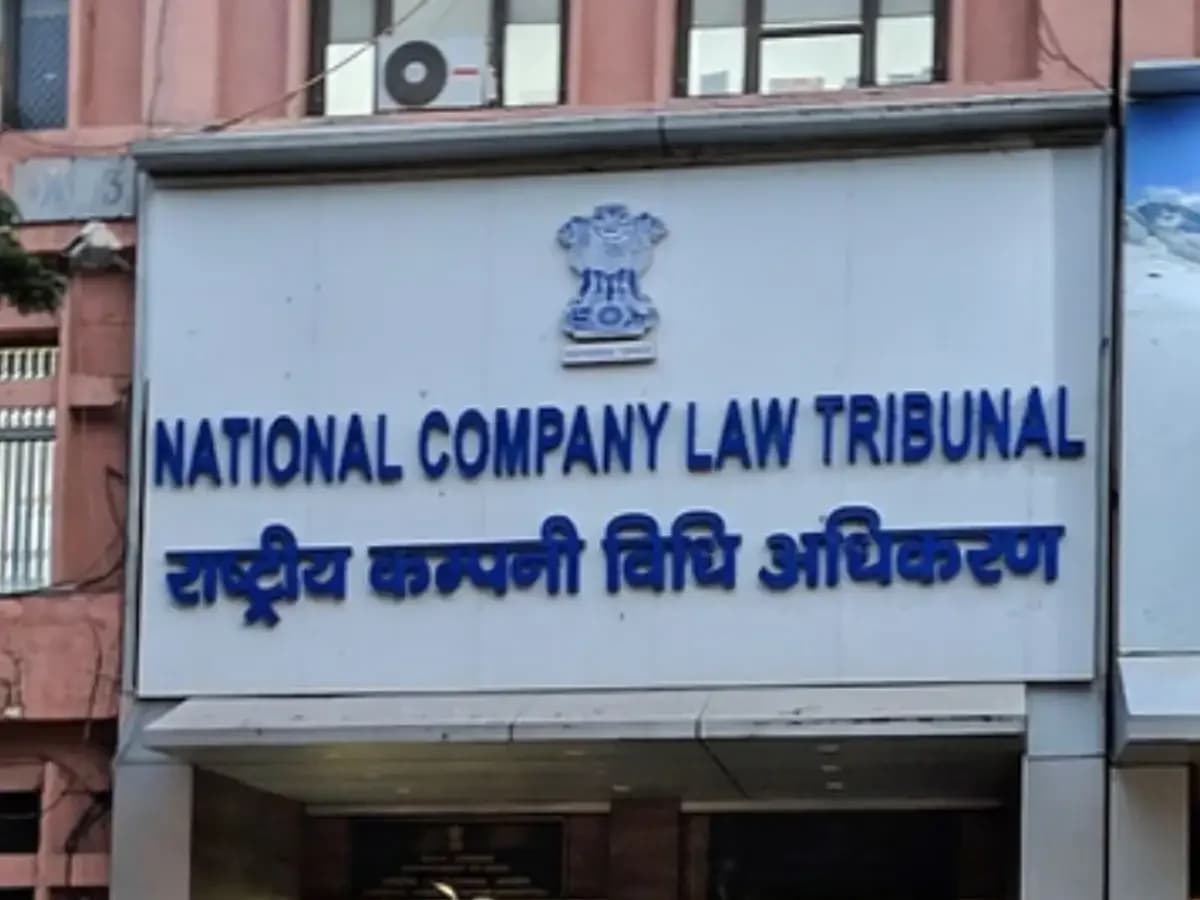
The tribunal's rejection stems from financial concerns primarily related to overdue road repairs that the successful resolution applicant refused to cover. As reported by The Economic Times, the division bench observed that the SRA neither sought clarification regarding completion of major maintenance and repair obligations prior to approval of the resolution plan. The completion of such work was necessary to carry on the corporate debtor's business further and seek NHAI approval for change in management and ownership. The tribunal clarified that the SRA did not require the resolution professional or committee of creditors to clarify who shall bear the costs in relation to these maintenance obligations.

Following the tribunal's rejection, lenders have been given 15 days to decide on the next course of action. According to The Economic Times, the tribunal specified that if lenders choose to invite fresh bids, the resolution process will be extended by 120 days from the date of that decision. This timeline provides lenders with adequate time to evaluate alternative resolution strategies for the distressed infrastructure company.
SU Toll Road Pvt Ltd operates the 136-km Salem-Ulundurpet corridor in Tamil Nadu. As reported by The Economic Times, the company's inability to address overdue maintenance obligations has created operational challenges that prevent it from continuing business operations effectively. The resolution process now enters a critical phase as lenders must determine the most viable path forward for the infrastructure asset.