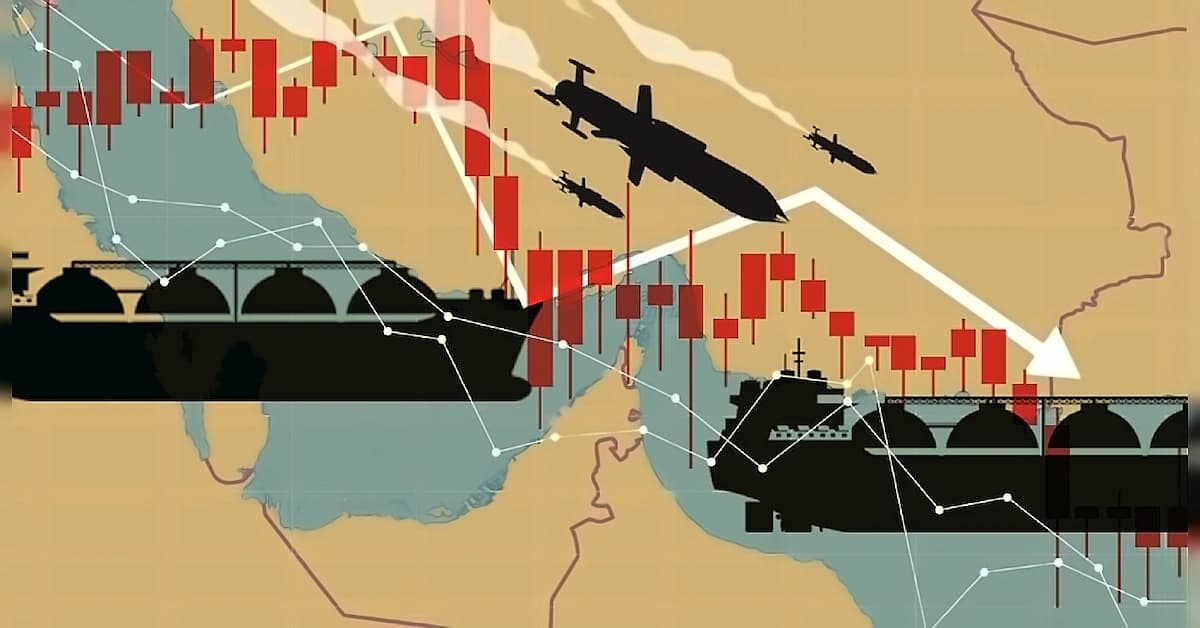
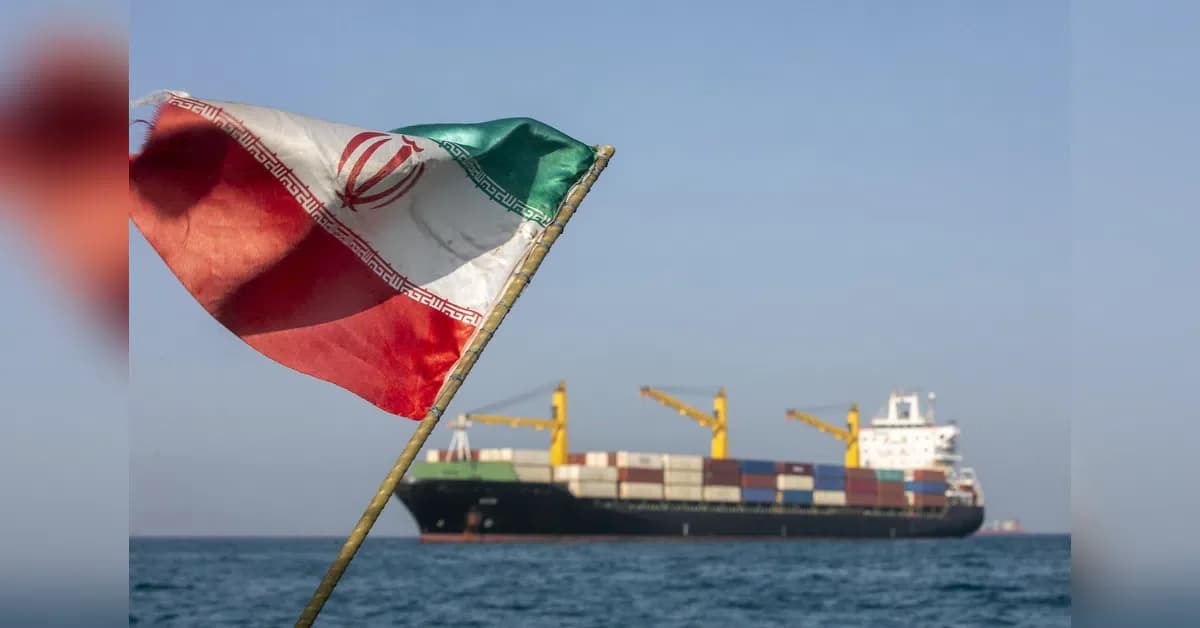
War-risk insurance premiums have experienced a dramatic surge, with rates climbing by as much as 1,000 per cent as tensions across the Strait of Hormuz and Red Sea disrupt shipping operations. As reported by Business Standard, the hardening of war-risk premiums over the past few weeks has been driven by renewed geopolitical tensions in the region, with fresh Houthi attacks and the US-Iran conflict raising voyage costs significantly. The escalation reflects growing concerns among reinsurers who have started increasing war-risk rates following renewed military activities in the region, with insurance costs for the riskiest voyages rising from around 0.2-0.5 per cent of vessel value to between 3-5 per cent. According to Amit Goel, Director at Equirus Raghnall Insurance Broking, even a relatively small increase in war-risk insurance can translate into hundreds of thousands of dollars in additional costs for a seven-day voyage.
Shipping traffic through both strategic straits has declined sharply as security concerns intensify. According to Kpler, Strait of Hormuz crossings dropped 31 per cent day-on-day to nine vessels and Bab el Mandeb declined 34 per cent to 29 vessels on Tuesday. Ships are increasingly avoiding the Red Sea due to security risks around the Bab-el-Mandeb Strait, where Houthi attacks have intensified, with vessels taking the longer route around the Cape of Good Hope. The latest developments show Yemen's Houthi militia attacking two Saudi Arabian oil tankers in a military operation, with one vessel catching fire following the attack while sailing through the Red Sea. Four vessels have made U-turns near the Gulf of Aden, suggesting operators are becoming more cautious following Houthi threats against Saudi linked shipping. The Houthis announced a maritime ban on Saudi shipping on Monday, raising concerns that disruptions could spread to another vital maritime chokepoint.
The ₹927 crore sovereign-backed Bharat Maritime Insurance Pool (BMIP), managed by GIC Re, has maintained unchanged rates despite reporting its first loss. According to Gaurav Agarwal, head of marine specialities at Prudent Insurance Brokers, the BMIP's committee reviews rates every week, with the current rates under review and an outcome expected early next week. The pool provides war-risk cover in high-risk zones for cargo, hull and machinery, and protection and indemnity risks for Indian shipowners, with GIC Re contributing ₹400 crore and the balance from public-sector and private general insurers. The Indian marine insurance market is estimated at approximately ₹5,500-5,800 crore, with marine insurance pricing expected to remain firm in the near term as geopolitical developments continue to influence war-risk premiums.

War-risk premiums on Gulf shipping routes have risen sharply in recent months, with premiums for high-risk transits increasing 1,000 per cent and in some cases by more than 1,000 per cent, according to Equirus Raghnall Insurance Broking. As reported by Business Standard, rates for the riskiest voyages have reportedly climbed from 0.2-0.5 per cent of vessel value to 3-5 per cent. The escalation reflects reinsurers' concerns about the persistent threat levels in the region and their willingness to reassess risk exposure, potentially leading to higher war-risk premiums and tighter underwriting standards. Kpler warned that continued attacks around the two regional maritime chokepoints could reshape shipping routes, raise freight costs and keep geopolitical risk premiums in global energy markets elevated. For now, war-risk cover is likely to remain the main pressure point for the marine insurance sector.