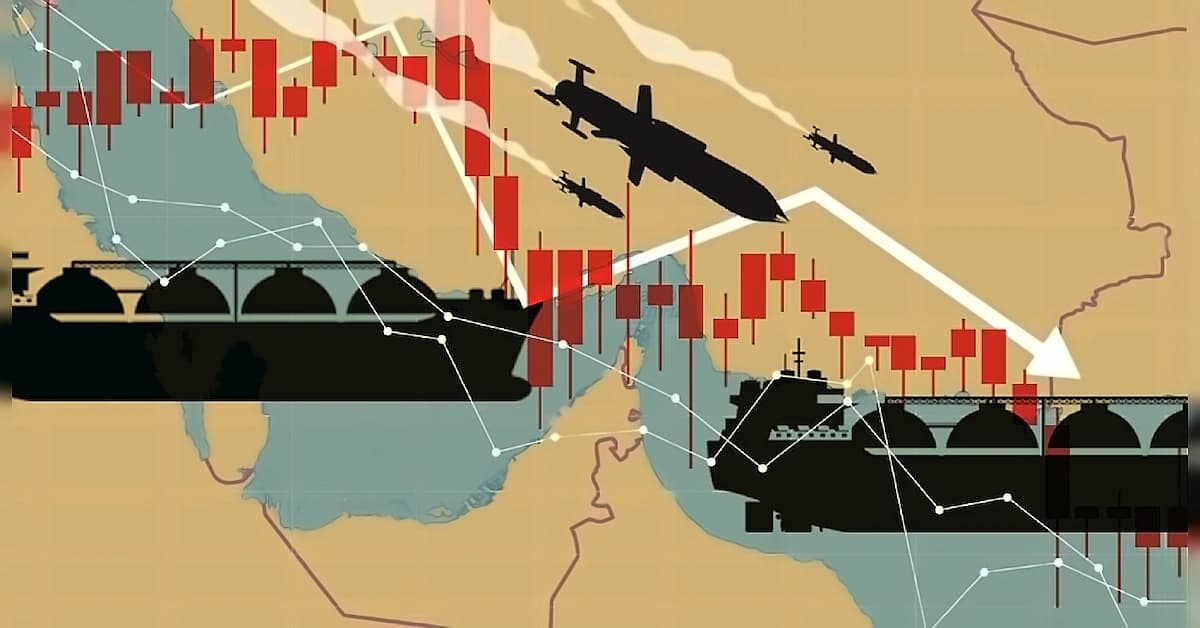
According to reports from Business Standard, public sector banks, oil & gas, and fast moving consumer goods (FMCG) indexes on the National Stock Exchange (NSE) emerged as the top losers during the West Asia war that began on February 28, 2026. These indexes slipped up to 13 per cent since the conflict started, as reported by ACE Equity data. In contrast, the Nifty 50 has declined around 4.3 per cent during this six-month period. The market volatility was driven by rising crude oil prices that stoked inflation fears and impacted corporate earnings across these sectors.
As reported by Business Standard, oil emerged as the biggest casualty among commodities, with Brent prices surging from around $70 a barrel (bbl) pre-crisis to over $120/bbl as the conflict intensified and choked transportation through the Strait of Hormuz. This strategic waterway is responsible for nearly 20 per cent of global oil shipments, creating significant supply chain disruptions. However, prices have cooled off since the peak of the crisis, providing some relief to energy markets.
According to reports from Business Standard, the rupee emerged as one of the clearest indicators of economic strain amid rising oil prices, as Indian importers needed more dollars to pay for oil purchases, increasing pressure on the domestic currency. The pressure peaked in May, when the rupee touched a record low of 96.90 per dollar. Despite these challenges, investors sought refuge in defensive sectors, with realty, pharma, and metal stocks performing strongly during this volatile period.
As reported by Business Standard, investors sought refuge in realty, pharma, and metal pack stocks, with their respective indexes on the NSE gaining up to 17 per cent thus far. The mid-and small-cap segments also emerged as winners, with the Nifty Midcap 100 surging 8.3 per cent and the Nifty Smallcap 100 indexes rising 24 per cent during this period. Market analysts suggest that while the worst seems to be over for global markets, rupee stability and liquidity remain key factors for Indian market performance going forward.
According to reports from Business Standard, analysts at InCred Equities remain overweight on the markets with a Nifty-50 target of 25,439 levels by March 2027, with a bull-case target at 29,516 levels, up 23 per cent from current levels if economic activity continues to surprise. However, Sanjeev Prasad from Kotak Institutional Equities sees modest returns ahead, citing tail risks from weak monsoon and prolonged West Asia crisis, while noting that earnings estimates have been stable in recent months, which should result in strong FY27 earnings performance.