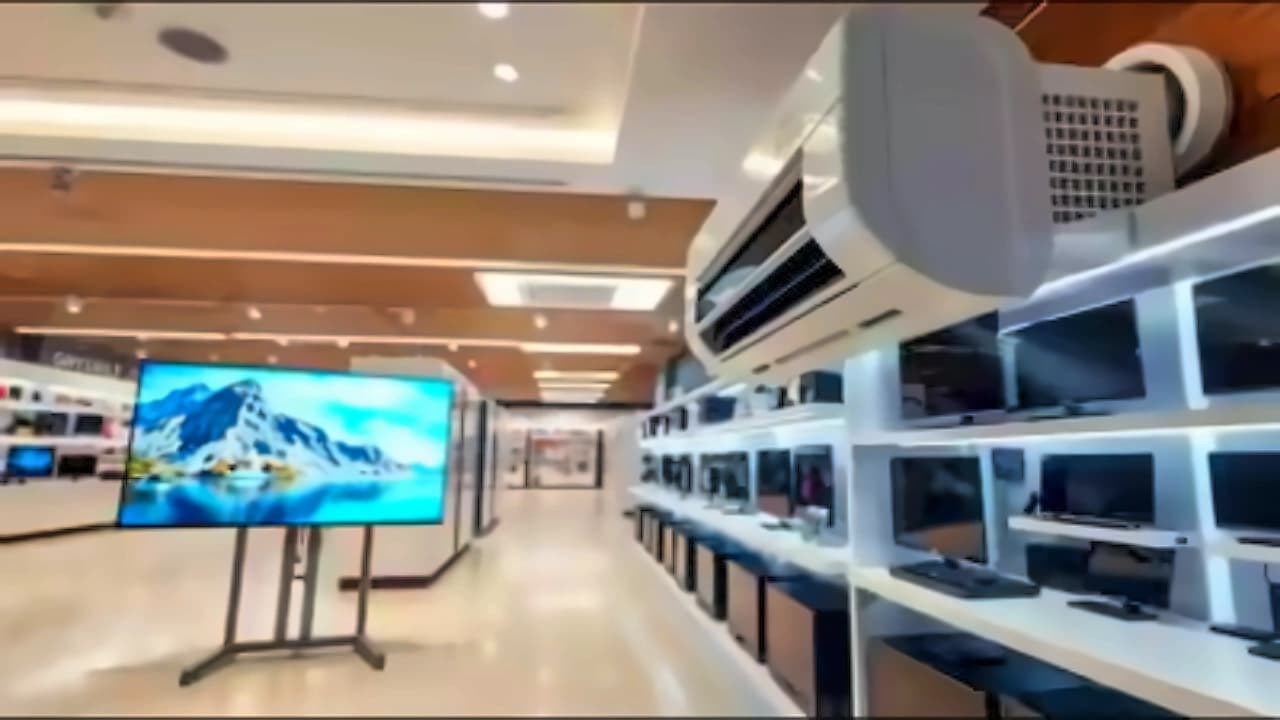
Consumer durables manufacturers are implementing significant price increases across multiple product categories as input cost pressures mount. LG Electronics India will raise prices of its air-conditioners by 5-7% from October 1, adding to a wave of increases across televisions, refrigerators and other consumer-durable categories. According to latest reports, several companies including Blue Star, Godrej Appliances, Haier, Daikin and Super Plastronics have announced or confirmed price increases across product categories. Panasonic said it was still evaluating market conditions before deciding on any revision. This marks the third round of price hikes in 2026 as manufacturers pass on rising input costs to consumers ahead of the festive season. Copper prices have risen 35% so far in 2026 from a year earlier, while aluminium prices are up 20%, with Deutsche Bank estimating copper prices could rise another 50% driven by stockpiling by the US and China.
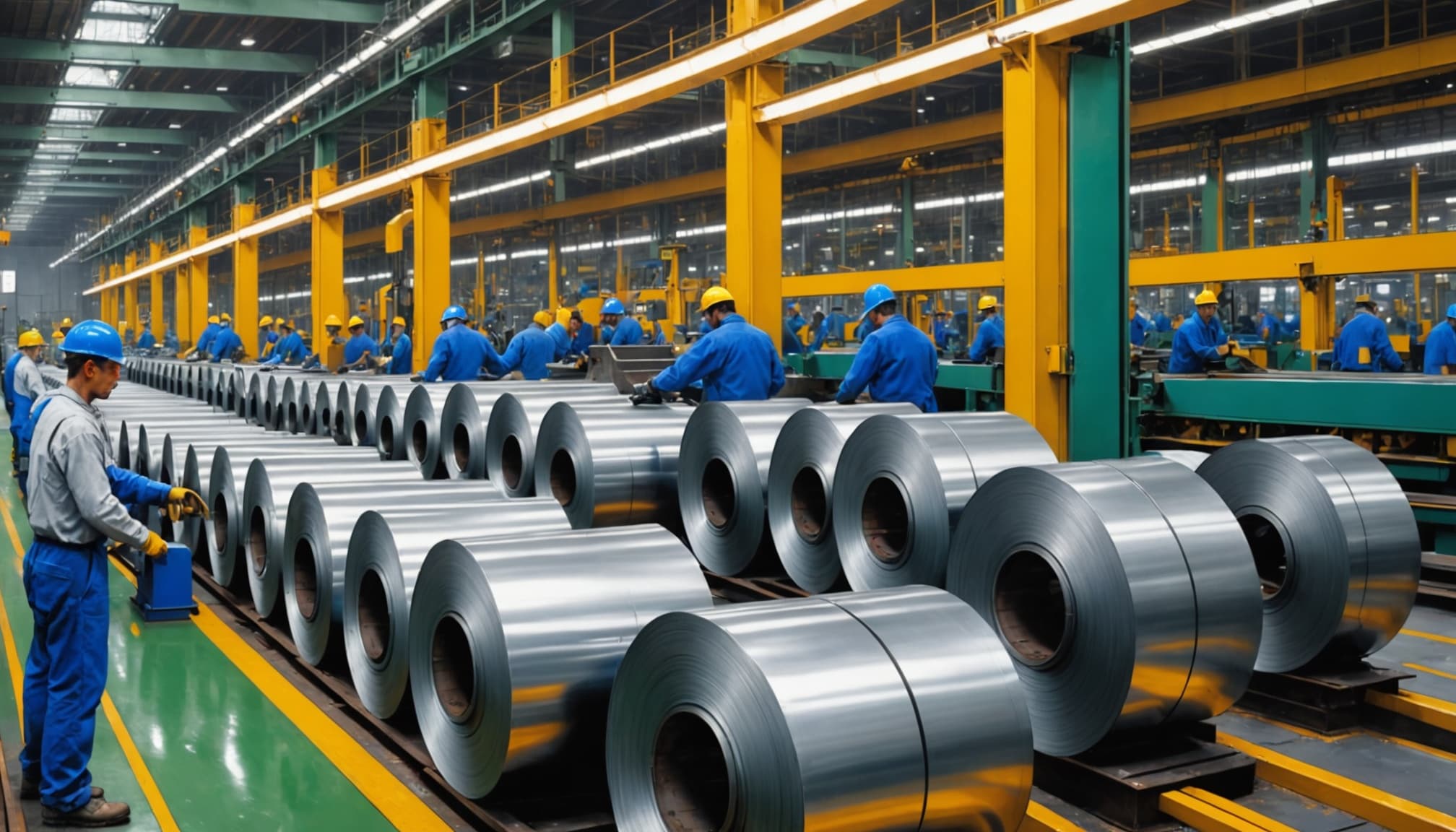
Blue Star Ltd is facing a severe cost escalation crisis that may require additional price increases beyond the current 8% hike. Managing Director B Thiagarajan revealed that the company's latest price increase will not be sufficient to fully offset rising costs, stating that Blue Star should have raised prices by around 18-19% over the past year, leaving a gap even after the latest hike. The company had originally discussed a 13% price increase during the summer season, but only around 5% could be passed on, creating an 8% gap that remains after the latest 8% increase. Copper prices have risen 41% to $14,450 from $10,233 a year ago, while aluminium prices have increased around 21% to $3,250 per metric tonne from $2,672. Steel prices have risen to ₹64,000 from ₹49,200, and high-density polyethylene (HDP) used in injection-moulded plastic has increased to ₹134 per kg from ₹91.

Small appliance manufacturers are adopting contrasting approaches to price management compared to their large appliance counterparts. Kenstar, Intex Technologies and INALSA are deferring further price increases after already raising prices twice this year, choosing to absorb part of the pressure from rising input costs to protect sales volumes. Intex Technologies director Keshav Bansal noted that the company will be absorbing most of the cost increase but the minimum hike could be around 3-4%. This strategy differs significantly from large appliance makers like LG Electronics India, Haier, and Super Plastronics Pvt Ltd (SPPL), which are moving ahead with price increases from October 1 to offset sustained increases in commodity, plastic and freight costs. At Summercool Home Appliances, blended input-cost inflation is running at about 15%, with the company passing on about a quarter of the increase to customers.
Higher input costs are forcing manufacturers and retailers to offer innovative financing solutions to protect consumer demand. Electronics Mart India Ltd., which gets 60-70% of sales through financing, is seeing consumers use credit to move into higher-value products, with average selling price (ASP) standing at ₹23,474 in Q1 FY27. No-cost EMIs, cashback offers, exchange schemes, bundled accessories and extended warranties are helping cushion consumers from the impact of higher prices. As electronics are high-ticket purchases, consumers typically research them extensively and expect to use them for a long time, prompting them to stretch replacement cycles rather than step down to cheaper models. At the entry and mid-level, some demand may shift to certified refurbished devices, especially in smartphones and laptops.
Despite cost pressures, appliance manufacturers remain optimistic about festive season performance. Kenstar expects around 70% growth in its overall small-appliance business during the festive season, with air fryers driving significant growth. The company is seeing nearly 600% growth in air fryers during the festive period, while INALSA is targeting around 20% festive-season growth. Kamal Nandi from Godrej Enterprises noted that the company has been managing commodity inflation through sourcing and supply-chain efficiencies while calibrating price increases. However, the latest price increases may impact consumer purchasing power during this critical sales period. Bharat Birla from Anand Rathi Advisors cautioned that the pressure is most acute at the entry level, where memory chips form a larger share of device cost, expecting a value-led season with healthy growth in sales value but muted volumes in phones and laptops.