Jupiter Wagons is targeting revenue of ₹8,000-10,000 crore by FY30 and expects its profit margins to improve to 16-17%, supported by the expansion of its passenger railway and propulsion systems businesses. As per Vivek Lohia, Managing Director of the company, the FY30 revenue target of ₹8,000-10,000 crore already factors in the passenger railway opportunity. The company's current market capitalisation stands at ₹9,508.99 crore and is targeting ₹3,000-4,000 crore annual revenue from passenger rail business over the next four to five years. To support its expansion plans, Jupiter Wagons is looking at investments of around ₹1,000 crore over the next three years, with management expecting most of the capital expenditure to be funded through internal accruals rather than additional borrowings.
Jupiter Wagons has executed a framework agreement with South Korea-based Woojin Industrial Systems Co. Ltd to manufacture metro coaches and propulsion systems in India through a joint venture. The partnership, announced on November 23, 2026, establishes a joint venture where Jupiter Wagons holds an 80% stake and Woojin retains the remaining 20% stake. This strategic alliance marks Jupiter Wagons' entry into high-technology rolling stock segments and enables both companies to jointly bid for metro rail tenders and manufacture metro coaches in India, supporting the government's Make in India initiative. The partnership involves comprehensive technology transfer from Woojin for the local design, manufacturing and maintenance of propulsion systems, Electric Multiple Units (EMU), Train Control and Management Systems (TCMS) and allied products. Technology transfer would begin immediately, with manufacturing expected to start as early as next year, allowing the company to participate directly in upcoming propulsion system tenders as well as rolling stock opportunities.
Jupiter Wagons shares surged 20% to hit an upper circuit of ₹222.50 during Wednesday's trading session, marking a significant recovery from the stock's recent performance. The stock opened at ₹185.45 and extended gains to touch the intraday high of ₹222.50, representing a substantial increase from the previous close. Trading activity surpassed 5.84 crore equity shares, marking a 52.5 times increase in volumes over the one-week average activity of 11,14,079 shares. As of 10:43 AM, there were no sell orders on sight at the upper circuit levels, indicating strong investor confidence in the partnership execution. However, the stock was trading at ₹222.46 at 1:26 pm on the NSE and has declined more than 23% over the past year as of the latest trading session.
The partnership involves comprehensive technology transfer from Woojin for the local design, manufacturing and maintenance of propulsion systems, Electric Multiple Units (EMU), Train Control and Management Systems (TCMS) and allied products. The joint venture will produce entire metro rakes along with critical components such as Train Control and Management Systems (TCMS), automatic door systems, bogies, and aluminium car body shells. Woojin Industrial is a private sector manufacturer of railway propulsion, train control and metro rolling stock with more than five decades of engineering heritage. Under the 80:20 joint venture with Woojin Industrial Systems, Jupiter Wagons will receive a complete transfer of technology for propulsion systems and train control management systems (TCMS) used in semi-high-speed and high-speed trains. Beyond metro coaches, the joint venture's propulsion systems will serve the wider spectrum of India's electric trains, including Vande Bharat trainsets, Electric Multiple Units (EMUs), and semi-high-speed and high-speed trains. The JV would bring complete technology transfer for metro coaches and for propulsion systems serving metro, EMU, Vande Bharat, semi-high-speed and high-speed trains, completing Jupiter Wagons' rail portfolio from the wheels to the traction motor.
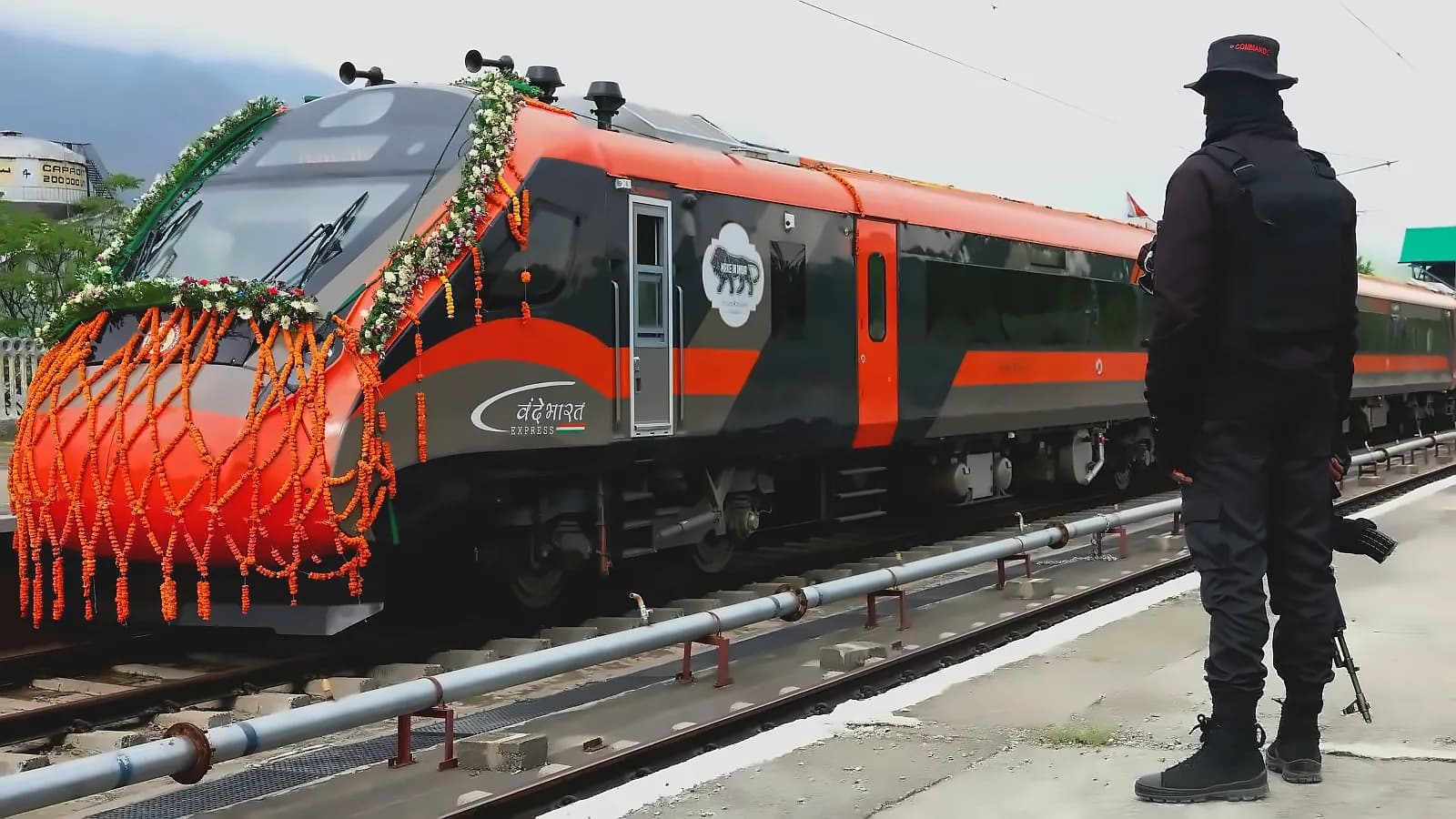
The company is also looking to expand its international presence through its recently announced joint venture with Poland-based PESA, which is expected to become operational next year and will focus on opportunities in India, Europe and other global markets. Jupiter Wagons has around ₹500 crore of cash on its books and Lohia said the existing debt was largely linked to the wheel project, which operates through a separate joint venture. The company may see an additional ₹200-300 crore of debt on its standalone balance sheet, but the management does not expect a significant increase in borrowings beyond this. The development is part of Jupiter Wagons' broader strategy to expand beyond its traditional freight wagon business into passenger rail, with the company having signed a memorandum of understanding (MoU) with Poland-based PESA for collaboration in passenger rolling stock in October.