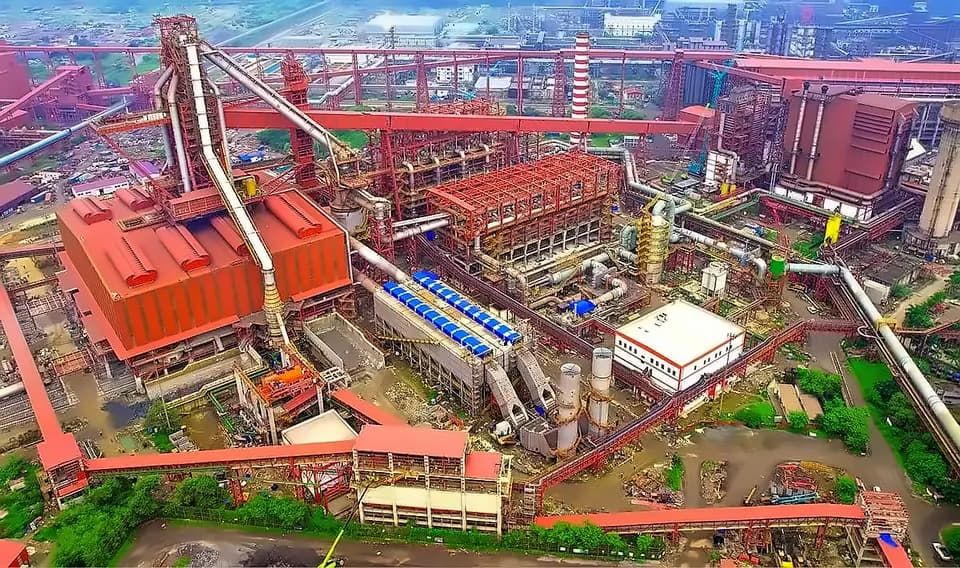
JSW Steel, India's largest iron ore importer, plans to gradually eliminate imports of the key steelmaking raw material as domestic supplies improve and new mines become operational. According to Puneet Jagatramka, executive vice president of central procurement cell-OPEX & bulk raw material at JSW Steel, speaking at BigMint's India Ferrous Week in Kolkata, the company aims to objectively be done away with import due to India's rich iron ore deposits. The shift could reduce India's dependence on overseas supplies and insulate the steelmaker from global price shocks, potentially limiting raw-material cost inflation as the country ramps up infrastructure spending.
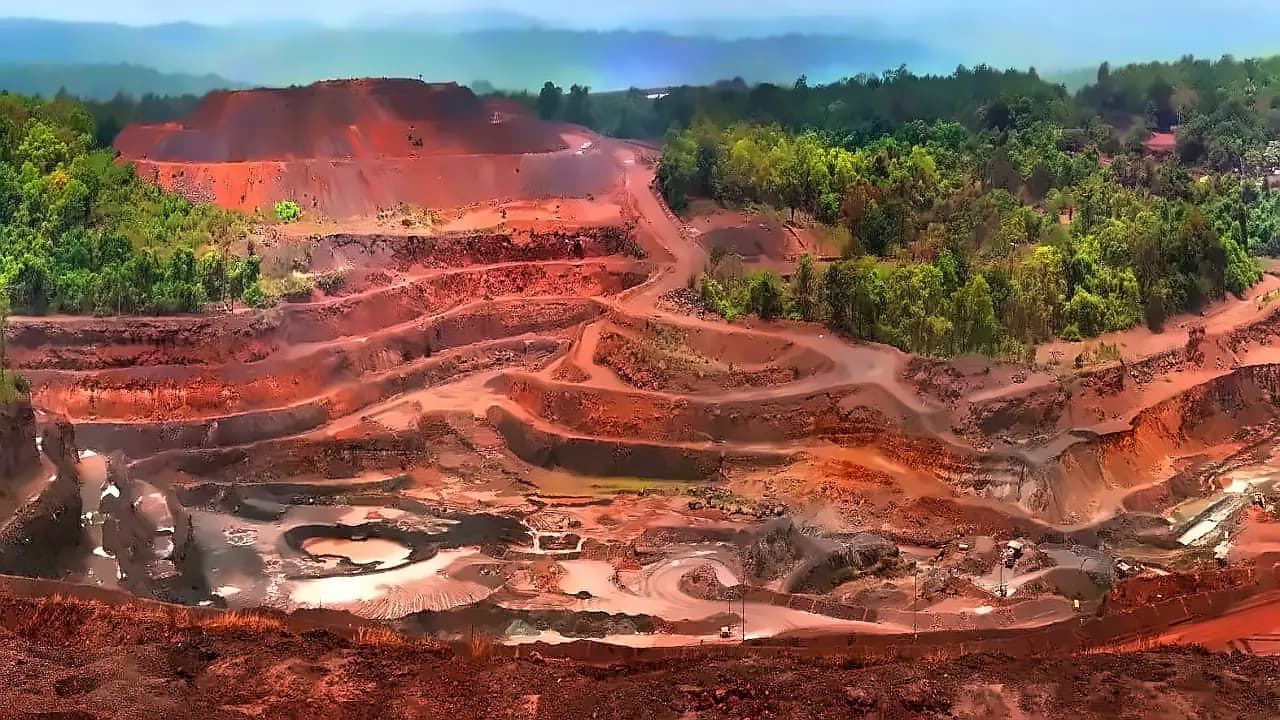
JSW Steel currently meets about two-fifths of its iron ore requirement through captive mines, with the remainder sourced from the market. While the company buys most of its ore from state-run NMDC Ltd, it also remains a large importer. According to commodities market intelligence firm BigMint, India imported 12.2 million tonnes of iron ore in 2025, the highest level in seven years and nearly double the previous year. JSW Steel accounted for nearly 80% of those imports, with its dependence on imports stemming from a lack of mines under its control and, at times, the relatively lower cost of importing ore compared with buying it locally.
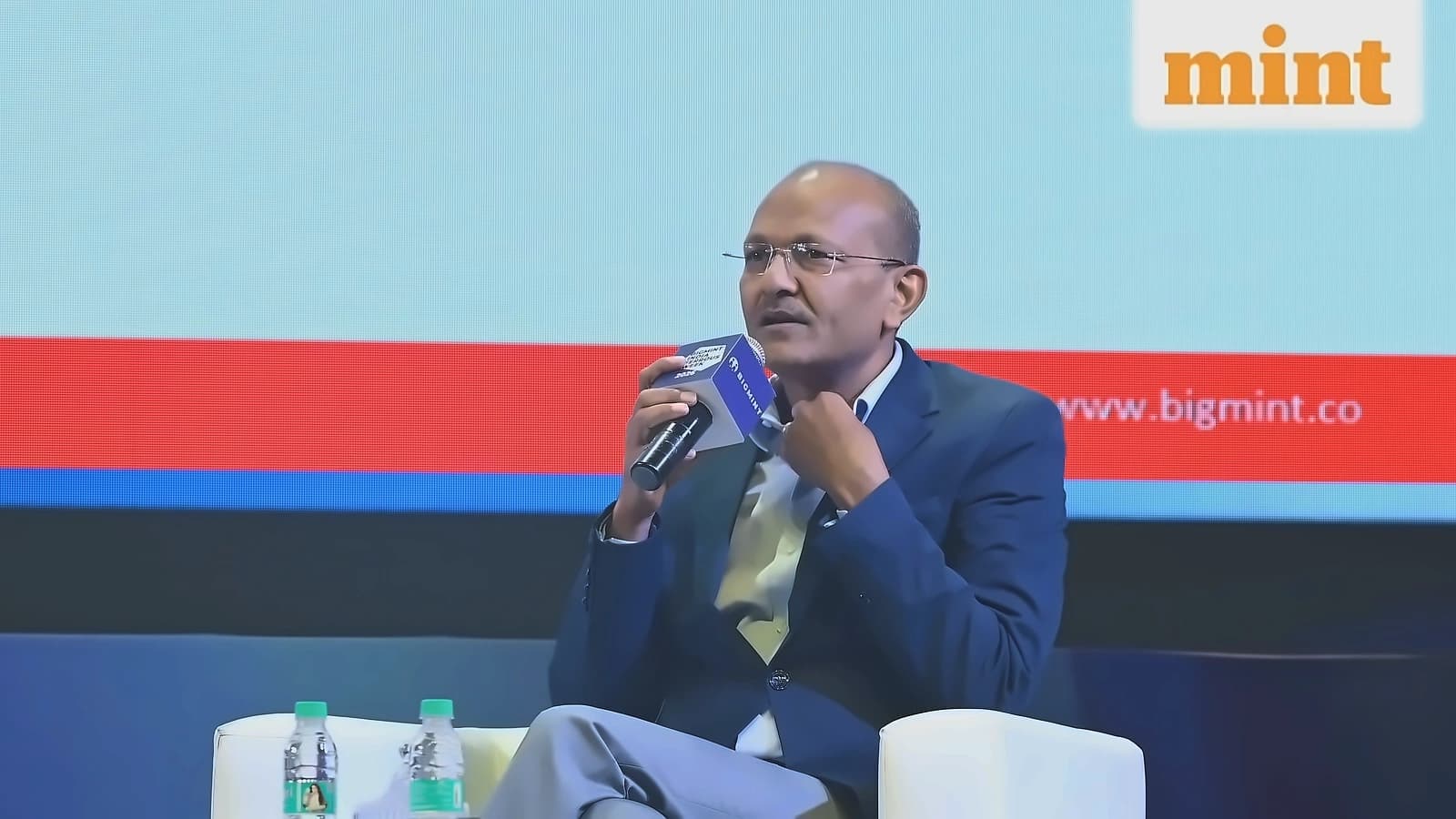
JSW Steel plans to remain an active participant in upcoming iron ore mine auctions to secure additional captive supplies. The company has about 40 million tonnes of pipeline capacity under development, of which 30 million tonnes is expected to become operational within a year, with the remaining 10 million tonnes expected within two years. Jagatramka said JSW Steel would also be willing to build another pipeline from NMDC's mines to the port to procure more domestic ore, as the company works to reduce logistical bottlenecks and increase the share of domestic material in its raw-material mix.
The push to secure domestic iron ore comes as JSW Steel sharply expands its steelmaking capacity in India. The company currently operates about 35 million tonnes of steel capacity and expects this to rise to 55 million tonnes by 2030 and 79 million tonnes by 2032. JSW Steel's CEO Jayant Acharya said in an earlier interview that the company aims to meet 50% of its iron ore requirement through captive mines and 50% from the market. Jagatramka expects domestic mining to pick up as more blocks are developed and production rises, with the company's CEO noting that more and more domestic ore will be used as capacity expands.